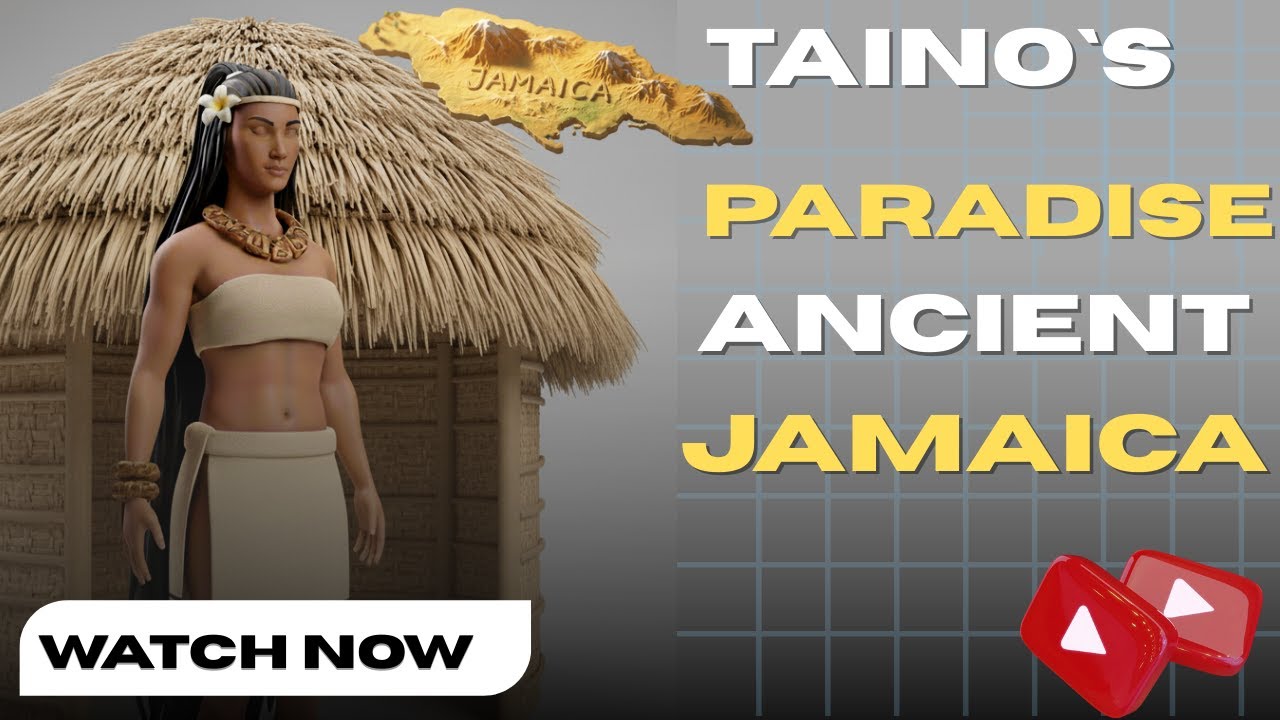
Long before Christopher Columbus arrived, the Taino built a vibrant and sophisticated culture on the island they called Xaymaca (Land of Wood and Water). In this 13-minute cinematic documentary, we journey back in time to explore their daily life, spiritual beliefs (including the powerful Zemi), complex social structure, and profound environmental stewardship.
Discover how their legacy—from the word barbecue to the very name Jamaica—lives on today, and confront the challenging narrative of their survival and resilience against European arrival. This is the ancient Caribbean history they browsed over in school.
#TainoHistory #Jamaica #AncientJamaica #CaribbeanHistory
Cultural & People #IndigenousPeople #FirstInhabitants #Xaymaca #TainoCulture #Cacique#HistoryDocumentary #HistoryVideo #UncoveredHistory #LostCivilizations
#Caribbean #TravelJamaica #HistoricalFacts #History#BeforeColumbus #TainoPeople #jamaicanhistory
References:
I. Foundational Texts on Taíno Civilization and Daily Life
These are essential for establishing the vibrant and sophisticated culture and complex social structure you describe.
Rouse, Irving. The Tainos: Life and Death of the Original Explorers. Yale University Press, 1992.
Relevance: The most comprehensive general text on Taíno culture, covering daily life, political organization (Caciques), and the broader Caribbean context, particularly their presence in Hispaniola and Jamaica.
Keegan, William F. The People Who Discovered Columbus: The Prehistory of the Bahamas. University Press of Florida, 1992.
Relevance: Focuses on the pre-contact cultural evolution and lifeways of the Lucayan Taíno, which directly informs the understanding of Taíno culture in Jamaica.
II. Spirituality (Zemi) and Material Culture
These references support the focus on spiritual beliefs (including the powerful Zemi) and their impact.
Olsen, Marilyn A. Taíno: From Stone to Seed. University of Alabama Press, 1995.
Relevance: Detailed examination of Taíno material culture, providing insight into the physical artifacts, including the Zemi figures and their use in ritual and social governance.
Arrom, José Juan. Mythology and Folklore of the Antillean Taínos. Translated by Nancy Kurtycz, 1989.
Relevance: Crucial for understanding the Taíno cosmology, deities (like Yúcahu and Atabey), and the spiritual significance of the Zemi in their belief system.
III. Environmental Stewardship and Legacy
These sources address the profound environmental stewardship and the lasting legacy (including the name Jamaica and modern culture).
Lovén, Sven. Origins of the Tainan Culture, West Indies. Elanders Boktryckeri Aktiebolag, 1935.
Relevance: Classic work that discusses the Taíno's agricultural practices, specifically the conuco system of mound-building, which demonstrates their environmental management and sustainable farming methods.
Curet, L. Antonio. "Caribbean Indigenous Populations." Oxford Research Encyclopedia of Latin American History. 2018.
Relevance: Provides a modern, accessible overview of the Taíno's lasting cultural impact, including linguistic contributions (like barbecue and Jamaica from Xaymaca), and the current scholarly view on their survival and resilience.

Информация по комментариям в разработке