#Sciencesight
Sleep is a naturally recurring state of mind and body, characterized by altered consciousness, relatively inhibited sensory activity, inhibition of nearly all voluntary muscles, and reduced interactions with surroundings. It is distinguished from wakefulness by a decreased ability to react to stimuli, but is more easily reversed than the state of being comatose. Sleep occurs in repeating periods, in which the body alternates between two distinct modes: REM sleep and non-REM sleep. Although REM stands for "rapid eye movement", this mode of sleep has many other aspects, including virtual paralysis of the body. A well-known feature of sleep is the dream, an experience typically recounted in narrative form, which resembles waking life while in progress, but which usually can later be distinguished as fantasy.
This article is about sleep in humans. For non-human sleep, see Sleep (non-human). For other uses, see Sleep (disambiguation).
"Sleep architecture", "Waking up", "Asleep", and "Slept" redirect here. For other uses, see Waking Up (disambiguation), Asleep (disambiguation), and SLEPT analysis.
Sleep is associated with a state of muscle relaxation and reduced perception of environmental stimuli.
During sleep, most of the body's systems are in an anabolic state, helping to restore the immune, nervous, skeletal, and muscular systems; these are vital processes that maintain mood, memory, and cognitive function, and play a large role in the function of the endocrine and immune systems. The internal circadian clock promotes sleep daily at night. The diverse purposes and mechanisms of sleep are the subject of substantial ongoing research. The advent of artificial light has substantially altered sleep timing in industrialized countries.
Humans may suffer from various sleep disorders, including dyssomnias such as insomnia, hypersomnia, narcolepsy, and sleep apnea; parasomnias such as sleepwalking and REM behavior disorder; bruxism; and circadian rhythm sleep disorders.
Physiology
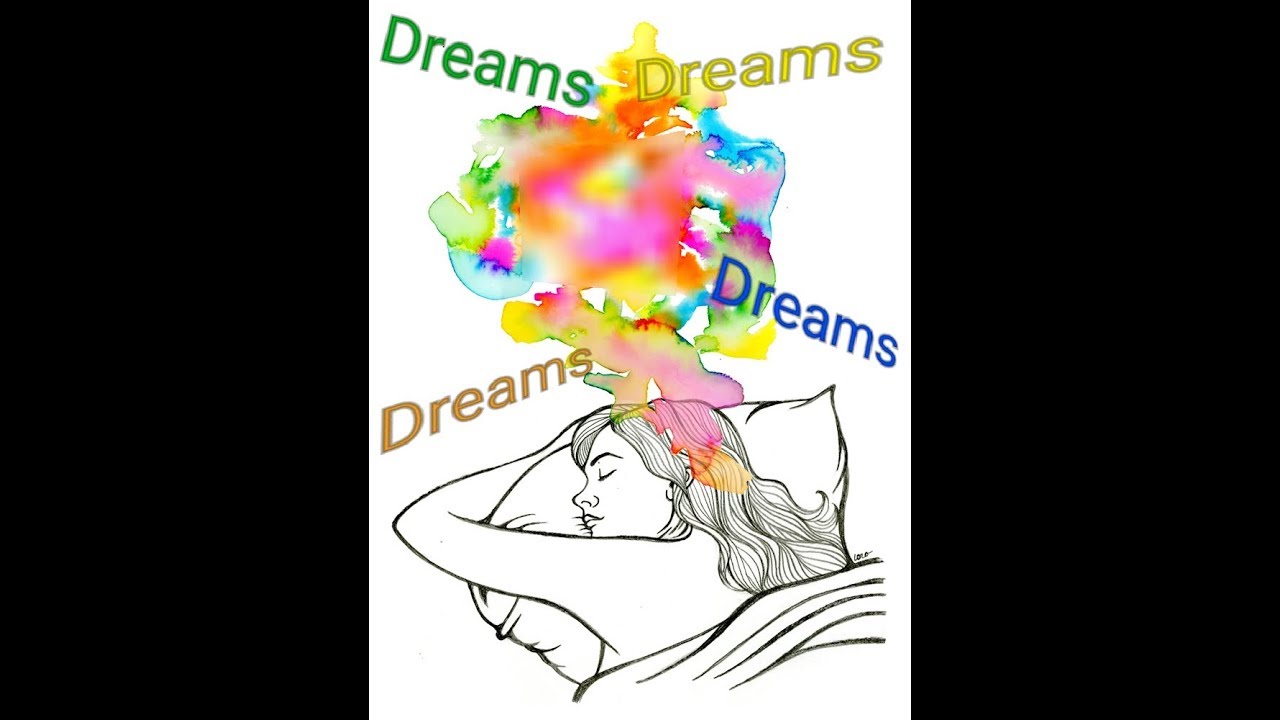
An artist's creative illustration depicting REM sleep.
Main article: Neuroscience of sleep
The most pronounced physiological changes in sleep occur in the brain. Especially during non-REM sleep, the brain uses significantly less energy during sleep than it does in waking. In areas with reduced activity, the brain restores its supply of adenosine triphosphate (ATP), the molecule used for short-term storage and transport of energy. (Since in quiet waking the brain is responsible for 20% of the body's energy use, this reduction has an independently noticeable impact on overall energy consumption.)
Sleep increases the sensory threshold. In other words, sleeping persons perceive fewer stimuli. However, they can generally still respond to loud noises and other salient sensory events.
During slow-wave sleep, humans secrete bursts of growth hormone. All sleep, even during the day, is associated with secretion of prolactin.
Key physiological measurements indicators of sleep include EEG of brain waves, electrooculography (EOG) of eye movements, electromyography (EMG) of skeletal muscle activity. Simultaneous collection of these measurements is called polysomnography, and can be performed in a specialized sleep laboratory. Sleep researchers also use simplified electrocardiography (EKG) for cardiac activity and actigraphy for motor movements.
Non-REM and REM sleep
Sleep is divided into two broad types: non-rapid eye movement (non-REM or NREM sleep) and rapid eye movement (REM sleep). Non-REM and REM sleep are so different that physiologists identify them as distinct behavioral states. Non-REM sleep occurs first and after a transitional period is called slow-wave sleep or deep sleep. During this phase, body temperature and heart rate fall, and the brain uses less energy. REM sleep (also known as paradoxical sleep), a smaller portion of total sleep time and the main occasion for dreams (or nightmares),
Like
Share
Comment
SUBSCRIBE '🔔'

Информация по комментариям в разработке