This is an audio version of the Wikipedia Article:
Berber cuisine
Listening is a more natural way of learning, when compared to reading. Written
language only began at around 3200 BC, but spoken language has existed long ago.
Learning by listening is a great way to:
increases imagination and understanding
improves your listening skills
improves your own spoken accent
learn while on the move
reduce eye strain
Now learn the vast amount of general knowledge available on Wikipedia through
audio (audio article). You could even learn subconsciously by playing the audio
while you are sleeping! If you are planning to listen a lot, you could try using
a bone conduction headphone, or a standard speaker instead of an earphone.
You can find other Wikipedia audio articles too at:
/ @wikipediatts983
In case you don't find one that you were looking for, put a comment.
This video uses Google TTS en-US-Standard-D voice.
SUMMARY
=======
The Amazigh (Berber) cuisine is a traditional cuisine with a varied history and influence of numerous flavours from distinct regions across North Africa. The traditional cuisine draws influences from Morocco's Atlas mountains and heavily populated Berber cities and regions, as well as Algeria's Berber cities and regions.
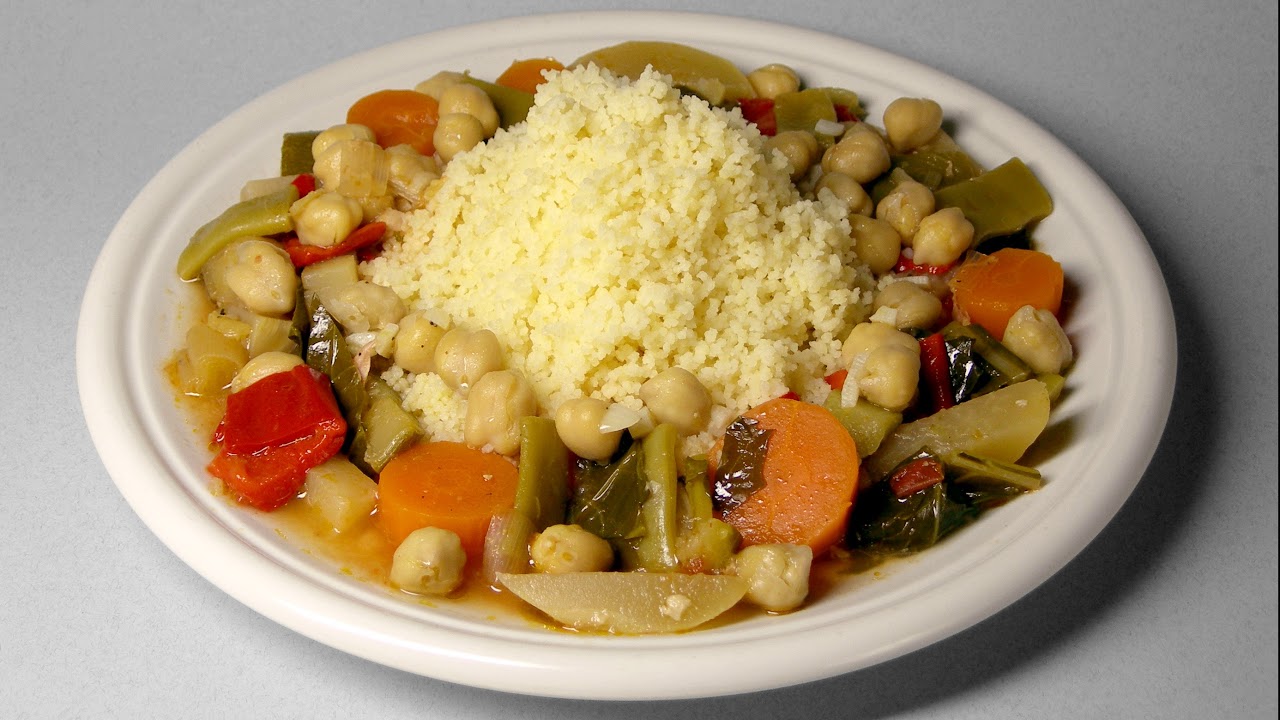
Berber cuisine differs from one area to another within North Africa. For this reason, every dish has a distinct and unique identity according to the specific region it originates from in North Africa, with some dishes estimated to be more than a thousand years old. Zayanes of the region of Khénifra around the Middle Atlas have a cuisine of a remarkable simplicity. It is based primarily on corn, barley, ewe's milk, goat cheese, butter, honey, meat, and game. Popular authentic Berber preparations of Tunisian, Moroccan, Algerian, and Libyan cuisine include tajine, couscous, shakshouka, pastilla, msemen, merguez, asida, lablabi, harissa, makroudh, harira, sfenj, and ahriche.
Информация по комментариям в разработке