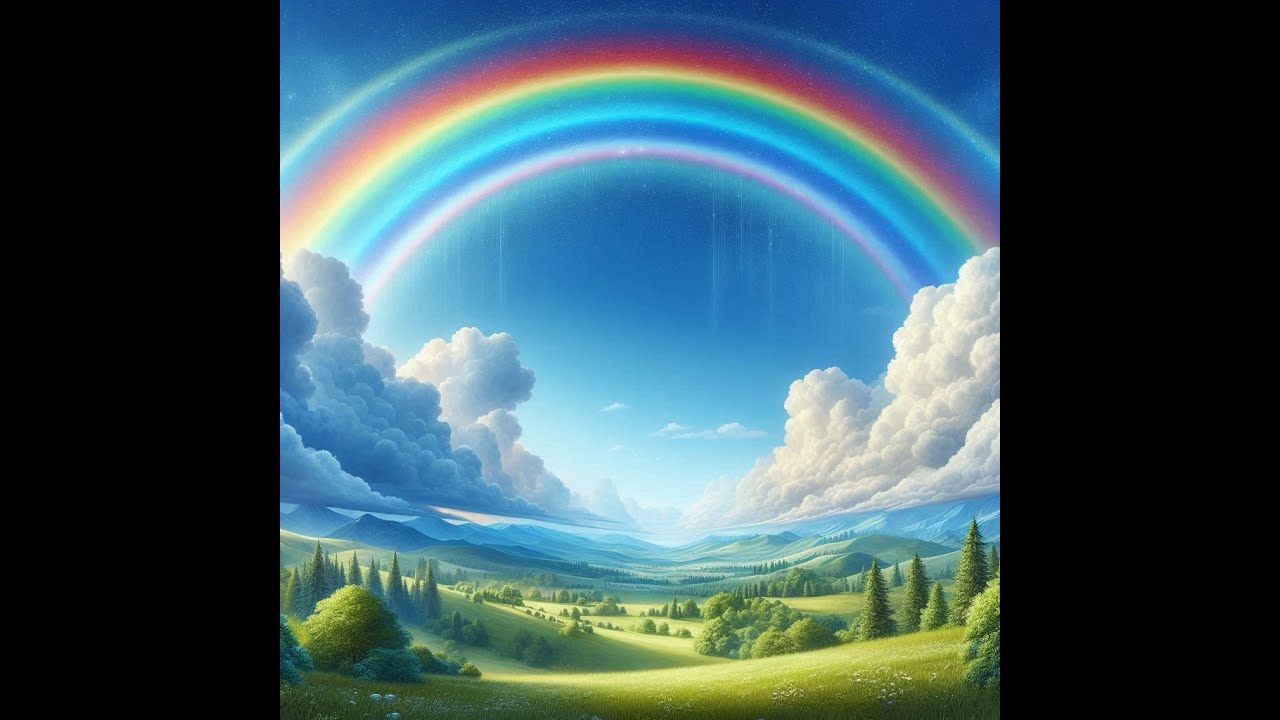
Rainbows have been a powerful symbol in various mythologies and literatures around the world, often embodying ideas of hope, transformation, divine intervention, and the connection between the heavens and earth. From ancient mythologies to modern works of literature, the rainbow's unique and striking appearance has inspired numerous interpretations, many of which emphasize its otherworldly nature and its ability to bridge gaps between different realms or states of existence.
In many ancient cultures, rainbows were seen as messages from the gods or as physical manifestations of divine presence. In Greek mythology, for example, the rainbow was personified by the goddess Iris, who served as a messenger between the gods and humans. Iris, often depicted with wings and a long flowing gown, would travel from the heavens to the mortal world, her rainbow path serving as a bridge between the two realms. This symbolism of the rainbow as a connector between the gods and humans is found in other traditions as well, where rainbows are viewed as paths or roads between different worlds, often leading to realms of immortality or divine knowledge.
In Norse mythology, rainbows are also significant, particularly the Bifröst, a burning rainbow bridge that connects Midgard (the world of humans) to Asgard (the world of the gods). The Bifröst is a powerful symbol in the myth of the gods, as it provides a means of passage for the gods and heroes between the mortal and divine realms. This concept of a rainbow bridge is emblematic of the idea of transition, with rainbows serving as symbols of connection and movement from one state of being to another.
In many indigenous cultures, rainbows are viewed as symbols of balance and unity. In Native American mythology, for instance, the rainbow is sometimes seen as a bridge that connects the earth and sky, or as a path that leads to the realm of the ancestors. In certain tribes, rainbows are associated with peace, healing, and harmony, serving as signs that conflict or hardship has passed, and balance has been restored. The Cherokee people, for example, view the rainbow as a symbol of peace between two opposing forces, and it is often depicted as a hopeful sign during times of adversity.
The rainbow's symbolic association with peace is also present in many religious stories. In the Abrahamic traditions, the rainbow is famously linked to the biblical story of Noah's Ark. After the great flood, God placed a rainbow in the sky as a sign of the covenant between God and humanity, promising never again to destroy the world with a flood. This association with peace and promise made the rainbow a powerful symbol of hope and renewal, emphasizing themes of divine mercy, protection, and the restoration of harmony after chaos.
The symbolism of rainbows extends into literature, where they often represent themes of hope, change, or the blending of different worlds or realities. One of the most famous literary references to rainbows is in L. Frank Baum's *The Wonderful Wizard of Oz*. In this story, Dorothy's journey to the Land of Oz begins with the image of a rainbow, famously illustrated in the song "Somewhere Over the Rainbow." The rainbow represents Dorothy’s longing for a better life and a sense of wonder, while also symbolizing the transition from the mundane, gray world of Kansas to the vibrant and magical world of Oz. In this context, the rainbow is a symbol of escape, transformation, and the search for a place where dreams come true.
In modern literature, rainbows continue to carry strong symbolic weight. In the works of contemporary writers, rainbows are frequently used to mark moments of revelation, enlightenment, or emotional breakthroughs. In Gabriel García Márquez's *One Hundred Years of Solitude*, rainbows are used to signify moments of clarity and change, representing the passage of time and the transformation of characters. The rainbow, much like in mythological traditions, stands as a marker of a shift from one state of being to another, often accompanied by new understanding or realization.

Информация по комментариям в разработке