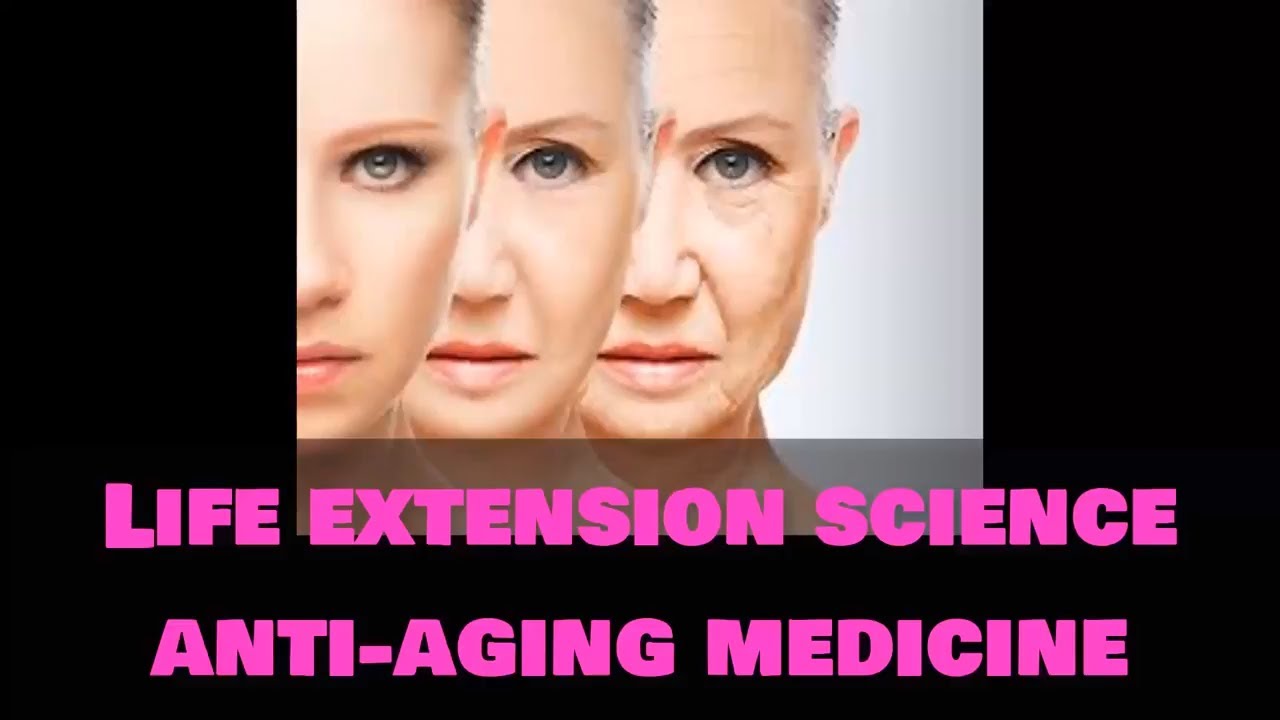
Life extension science anti aging medicine
Life extension science, also known as anti-aging medicine, indefinite life extension, experimental gerontology, and biomedical gerontology, is the study of slowing down or reversing the processes of aging to extend both the maximum and average lifespan. The ability to achieve this, however, does not currently exist.
Some researchers in this area, and "life extensionists", "immortalists" or "longevists" (those who wish to achieve longer lives themselves), believe that future breakthroughs in tissue rejuvenation, stem cells, regenerative medicine, molecular repair, gene therapy, pharmaceuticals, and organ replacement (such as with artificial organs or xenotransplantations) will eventually enable humans to have indefinite lifespans (agerasia) through complete rejuvenation to a healthy youthful condition. The ethical ramifications, if life extension becomes a possibility, are debated by bioethicists.
The sale of purported anti-aging products such as supplements and hormone replacement is a lucrative global industry. For example, the industry that promotes the use of hormones as a treatment for consumers to slow or reverse the aging process in the US market generated about $50 billion of revenue a year in 2009. The use of such products has not been proven to be effective or safe.
Average and maximum lifespan
During the process of aging, an organism accumulates damage to its macromolecules, cells, tissues, and organs. Specifically, aging is characterized as and thought to be caused by "genomic instability, telomere attrition, epigenetic alterations, loss of proteostasis, deregulated nutrient sensing, mitochondrial dysfunction, cellular senescence, stem cell exhaustion, and altered intercellular communication." Oxidation damage to cellular contents caused by free radicals is believed to contribute to aging as well.
The longest a human has ever been proven to live is 122 years, the case of Jeanne Calment who was born in 1875 and died in 1997, whereas the maximum lifespan of a wildtype mouse, commonly used as a model in research on aging, is about three years. Genetic differences between humans and mice that may account for these different aging rates include differences in efficiency of DNA repair, antioxidant defenses, energy metabolism, proteostasis maintenance, and recycling mechanisms such as autophagy.
Average lifespan in a population is lowered by infant and child mortality, which are frequently linked to infectious diseases or nutrition problems. Later in life, vulnerability to accidents and age-related chronic disease such as cancer or cardiovascular disease play an increasing role in mortality. Extension of expected lifespan can often be achieved by access to improved medical care, vaccinations, good diet, exercise and avoidance of hazards such as smoking.
Maximum lifespan is determined by the rate of aging for a species inherent in its genes and by environmental factors. Widely recognized methods of extending maximum lifespan in model organisms such as nematodes, fruit flies, and mice include caloric restriction, gene manipulation, and administration of pharmaceuticals. Another technique uses evolutionary pressures such as breeding from only older members or altering levels of extrinsic mortality. Some animals such as hydra, planarian flatworms, and certain sponges, corals, and jellyfish do not die of old age and exhibit potential immortality

Информация по комментариям в разработке