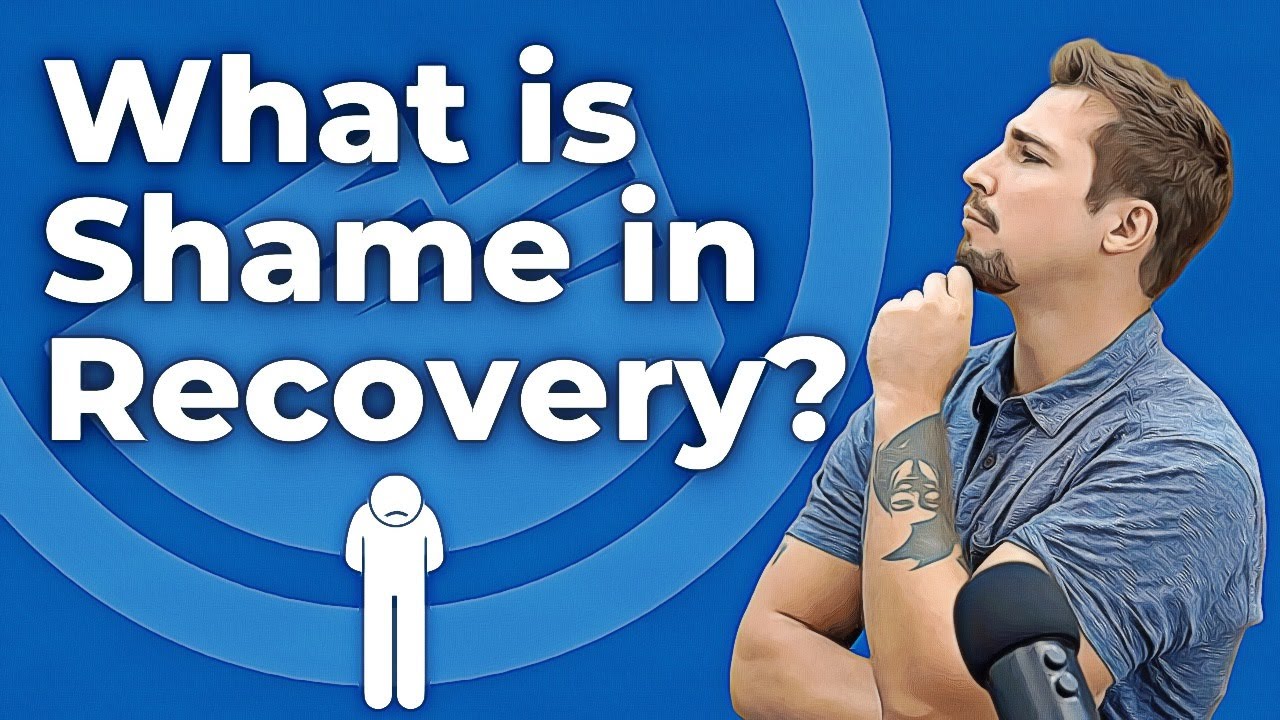
What is shame in recovery? In this video, you’ll hear from recovery coach Dr. Bob Weathers as he reveals the impact the shame has on someone even after they are sober.
Learn more about shame in recovery👇
https://www.sandstonecare.com/blog/ov...
Learn more about Dr. Bob Weathers👇
https://www.drbobweathers.com/
For substance use or mental health support for teens and young adults call (855) 958-5511 or live chat with us at https://www.sandstonecare.com/
There was a study done recently at Johns Hopkins University, they have the best school of public health in the world is at Johns Hopkins. I know this because my mom was a public health nurse and I learned this from her. And they did a study on all the diagnoses that you can have all the mental health diagnoses you're probably aware of a client of the vaunted DSM is the Diagnostic and Statistical Manual of psychology and psychiatry have all the diagnoses of every version of depression, anxiety, PTSD, thought disorders, you name it. And what they did in this study is they asked for American respondents to rank order which one of these diagnoses has the most negative judgment made towards it? Well, you know where this is headed.
At the very bottom of the barrel is what the DSM calls substance use disorders. You'll see as we're talking, I actually prefer to use the word addiction, even though it's a little bit outdated. Only because addiction derives from the Latin term addicted, which means slave, and I think to be addicted is to be enslaved to substance. So I actually appreciate that nuance. Having said that, whether it's addiction, substance use disorder, whatever you want to call it far better, that you'd be depressed, far better to actually that you'd be psychotic, or better that you'd be autistic far better than you'd be virtually anything other than addicted, which is, if the definition of stigma is a negative social judgment, there you have it, there's the most judgment of any disorder, it's at the very bottom of the barrel. Now, psychology, that's my background, as you know, psychology defines shame in a technical way.
And I'll unpack this psychology define shameless self stigmatization. Now, that's a mouthful but just think about that for a second. If I internalize societal stigma, that is if I, if I buy that, and bring that inside myself, that's really the definition of shame. from a psychological perspective, we'll unpack shame in a much more kind of user-friendly language in a few minutes, but I thought I want to do is tie in shame and stigma right from the get-go here with Hugh cleanse. And that is, is that around in society, and we'll talk about why this is the case, there's more judgment about addiction than anything. And it's next to impossible not to internalize, I don't care what age you are in your addiction. It even gets more complicated here, Clint, because it's not just being addicted. The crazy thing is there's a stigma about being in recovery. Think about it for a second. If active addiction has the highest amount of stigma, it's the bottom rung on the ladder in terms of disorders. If I'm in recovery, what does that imply or indicate Well, it indicates I was addicted, not a good thing. So by that kind of guilt by association, whether I'm actively addicted, or actually committed in recovery, you still have a tremendous amount of stigma in general society.
Now, I'll, I'm glad to say it. I know this firsthand, all into my own history of addiction and recovery, that to get into support groups, such as 12 step support groups or other resources. One of the reliefs there is that there's no stigma there, there's no judgment ideally, and most of the time, there isn't. That's part of what's saving about being in these groups because you're with people that get it and don't judge it. But you step outside of those rooms, and it's a whole different world. So just kind of out of the starting gate, if we can look at shame and stigma as being kind of two sides of the coin, and that they really do plague not only those who are inactive addiction, which by the way keeps people in active addiction and I'm sure we'll talk more about that, but it actually also sticks on your skin and it's like having a scarlet an on your forehead addiction. And if you're in recovery, you still have that scar
#addictionhelp
#Mentalhealthpodcast
#Sobertribe

Информация по комментариям в разработке