konyak tribes, longwa village, Nagaland.
#konyak #nagaland #longwa #india #myanmar #headhunters #tribalvillage #hornbillfestival2025 #tribes #triballife #tribesculture #tribefood #tribe
Black magic capital of india 👇🔗
• இந்தியாவின் மாந்திரீக கிராமம்|மனிதர்களை மி...
In this post, we will take a look at the village of Longwa, a Konyak tribal village located on the India-Myanmar border in Nagaland state.
Longwa Village (also spelled Lungwa) is a unique and culturally rich village located in the Mon district of Nagaland, India, right on the international border with Myanmar (Burma) — making it one of the most unusual human settlements in the world.
Geography & Border Uniqueness
Longwa literally straddles two countries — part of the village lies in India, and part lies in Myanmar.
A remarkable symbol of this is the Angh’s (chief’s) house, which has one half in India and the other half in Myanmar.
Historically, residents have been able to move freely across the border without visas, and many locals consider themselves connected to both sides.
People & Culture
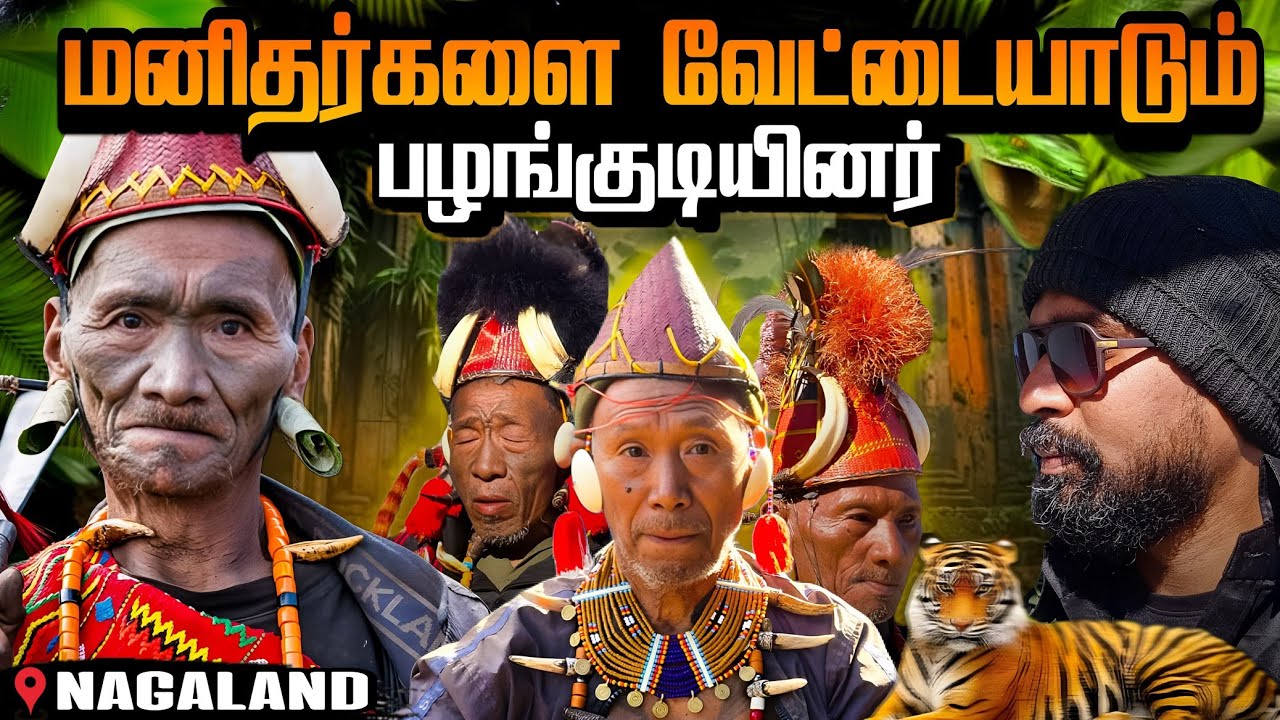
The village is primarily inhabited by the Konyak Naga tribe, one of Nagaland’s largest and most culturally distinctive tribal groups.
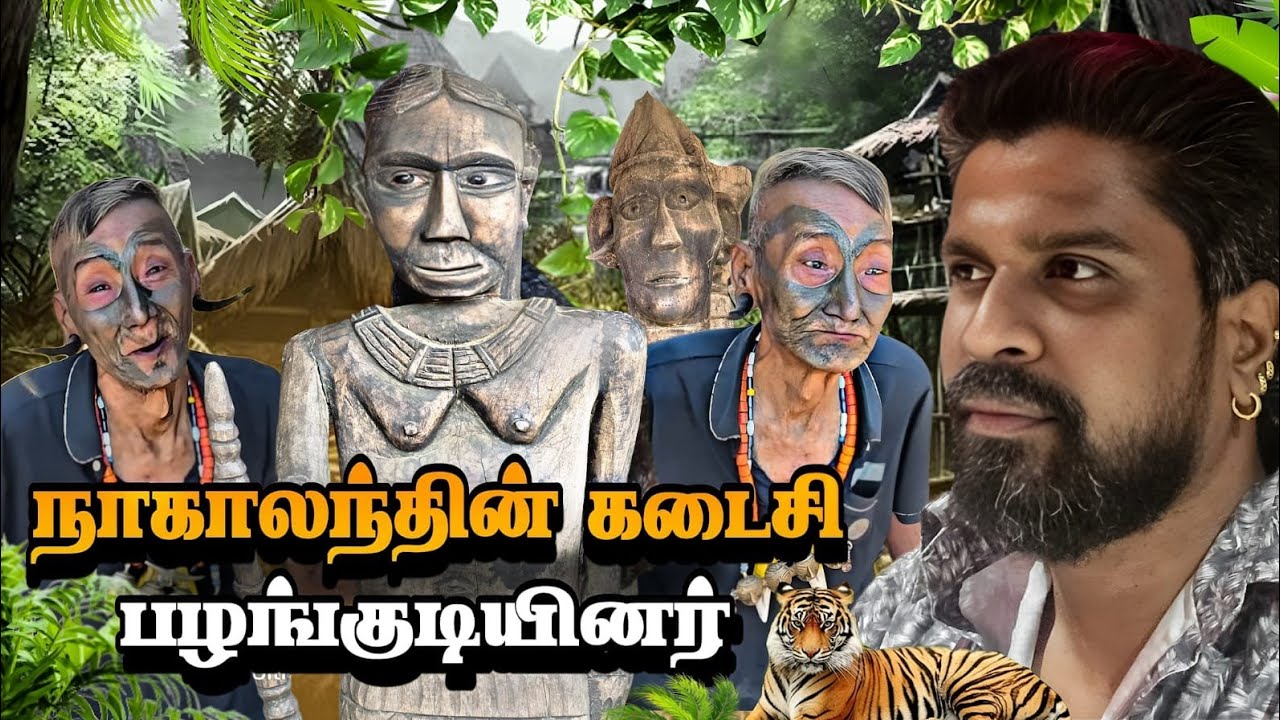
The Konyaks are known for their rich tribal traditions including ornate facial tattoos, wood crafts, and traditional celebrations.
Historically, they were among the last tribes in the region to practice headhunting, a tradition that ended decades ago but remains part of cultural memory.
Governance
Longwa is ruled traditionally by an Angh (hereditary chief). The chief’s authority historically extended over villages on both the Indian and Myanmar sides of the border.
Population & Administration
According to official records, the village has several thousand residents (around 5,000–6,700 people), but figures vary by source.
On the Indian side, Longwa falls under the 44 AC Phomching constituency of Nagaland’s Mon district. On the Myanmar side, it is part of Yochen Lahe township.
The unique border situation historically allowed locals to cross freely without a visa. Houses, schools, and farms lie on both sides.
Recent changes in border policies and fencing plans have introduced challenges for this traditional way of life.
Konyak Tribe 🪶
The Konyak are one of the largest and most distinctive Naga tribes of Nagaland, mainly living in Mon district (villages like Longwa, Shangnyu, Chui, Mon town area) and across the border in Myanmar.
Location
India: Mon district, Nagaland
Myanmar: Sagaing region (across the India–Myanmar border)
Identity & History
The Konyaks were historically known as fearless warriors
They were the last Naga tribe to practice headhunting, which ended around the 1960s–70s
Elder men still carry facial tattoos, which once symbolized bravery and warrior status
Social Structure
Traditionally ruled by a hereditary chief called the “Angh”
The Angh held power over multiple villages, sometimes on both sides of the international border
Society was divided into clans and age groups
Culture & Traditions
Facial & body tattoos (now seen mainly among elders)
Traditional attire:
Men wear warrior shawls, headgear with feathers, boar tusks
Women wear handwoven skirts and bead jewelry
Wood carving & crafts are highly respected skills
Morungs (youth dormitories) were centers for learning culture and discipline
Festivals
Aoling Festival (April) – New Year festival, most important celebration
Mon Aoling Festival – A modern cultural festival showcasing Konyak heritage
Celebrations include dances, songs, traditional food, and rituals
Language
Speak Konyak language (Tibeto-Burman family)
English and Nagamese are commonly understood today
Lifestyle
Traditionally depended on jhum (shifting) cultivation, hunting, and farming
Today many are engaged in education, government jobs, and business
Strong community bonding and respect for elders
Religion
Earlier followed animism (nature and ancestor worship)
Today, the majority are Christians, mainly Baptists
Modern Konyaks
Proudly preserving traditions while adapting to modern life
Cultural revival through festivals, museums, and tourism
Longwa village is a major cultural symbol of the Konyak people
longwa village in nagaland, india Myanmar border, india Myanmar border village, konyak tribes in nagaland, konyak tribes, head hunters in nagaland, head hunter tribes in nagaland, longwa King's house, konyak tribe leader, hunting tribes in nagaland, face tatoo tribes in nagaland, dangerous tribes in nagaland, tribal village in nagaland, tribal house, konyak tribe house, tribal food, tribal dance, tribal cheif, tribal house, konyak tribal leader.
DISCLAIMER
THIS VIDEO RESPECTFULLY SHOWCASES INDIAN TRIBAL CULTURES AND TRADITIONS. SOME VISUAL INCLUDES SKULLS AND BONES THAT HOLD HISTORICAL AND CULTURAL SIGNIFICANCE.
THIS CONTENT IS SHARED WITH RESPECT AND AWARNESS.
VIEWERS DISCRETION IS ADVISED.












Информация по комментариям в разработке