Logo video2dn
  • Сохранить видео с ютуба
  • Категории
    • Музыка
    • Кино и Анимация
    • Автомобили
    • Животные
    • Спорт
    • Путешествия
    • Игры
    • Люди и Блоги
    • Юмор
    • Развлечения
    • Новости и Политика
    • Howto и Стиль
    • Diy своими руками
    • Образование
    • Наука и Технологии
    • Некоммерческие Организации
  • О сайте

Скачать или смотреть 🧼 Cleaning & Waste Disposal Techniques in the Food Industry

  • Analysis Skill Studio
  • 2026-01-29
  • 1
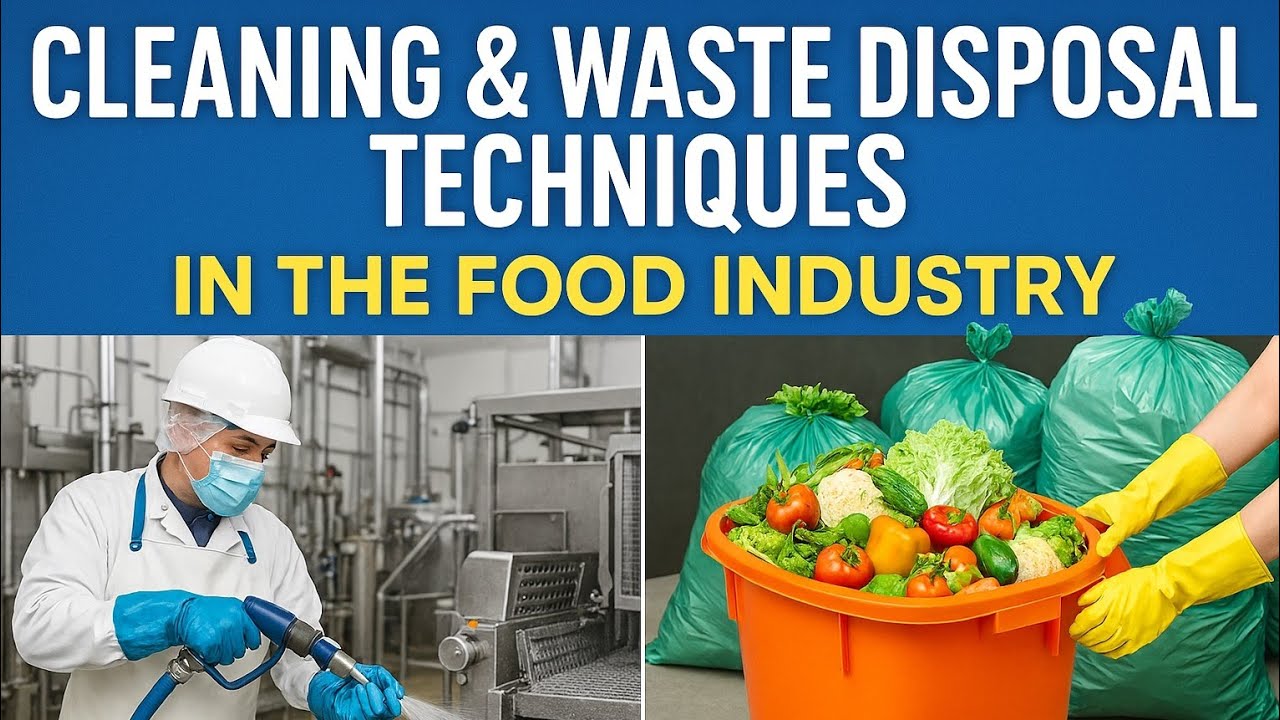
🧼 Cleaning & Waste Disposal Techniques in the Food Industry
  • ok logo

Скачать 🧼 Cleaning & Waste Disposal Techniques in the Food Industry бесплатно в качестве 4к (2к / 1080p)

У нас вы можете скачать бесплатно 🧼 Cleaning & Waste Disposal Techniques in the Food Industry или посмотреть видео с ютуба в максимальном доступном качестве.

Для скачивания выберите вариант из формы ниже:

  • Информация по загрузке:

Cкачать музыку 🧼 Cleaning & Waste Disposal Techniques in the Food Industry бесплатно в формате MP3:

Если иконки загрузки не отобразились, ПОЖАЛУЙСТА, НАЖМИТЕ ЗДЕСЬ или обновите страницу
Если у вас возникли трудности с загрузкой, пожалуйста, свяжитесь с нами по контактам, указанным в нижней части страницы.
Спасибо за использование сервиса video2dn.com

Описание к видео 🧼 Cleaning & Waste Disposal Techniques in the Food Industry

🧼 Cleaning & Waste Disposal Techniques in the Food Industry

The food industry maintains strict hygiene requirements to prevent contamination, ensure product quality, and comply with food‑safety regulations (such as HACCP, ISO 22000, FDA, FSSAI, etc.). Effective cleaning and waste‑management systems form the backbone of safe food production.

---

1. *Types of Cleaning in the Food Industry*

⭐ 1.1 *Dry Cleaning*
Used mainly in *dry food environments* (e.g., bakeries, flour mills, powdered food facilities).

*Techniques*
Vacuum cleaning (HEPA‑filtered)
Brushing and sweeping
Low‑moisture wiping
Air blasting (controlled and filtered)

*Benefits*
Prevents microbial growth by avoiding moisture
Minimizes risk of mold and spoilage

---

⭐ 1.2 *Wet Cleaning*
Used widely in dairy, meat, beverages, sauces, and high‑moisture processing plants.

*Steps (Standard 4–5 Stage Process)*
1. *Pre-rinse* – removes loose soil
2. *Detergent application* – alkaline or acidic depending on soil type
3. *Mechanical action* – brushing or high‑pressure rinsing
4. *Rinse* – removes detergent
5. *Disinfection* – kills microbes (chemical or thermal)
6. *Final rinse* (if using non–no‑rinse sanitizers)

---

⭐ 1.3 *Clean‑in‑Place (CIP)*
Used for closed systems:
Pipelines
Tanks
Pasteurizers
Heat exchangers
Beverage processing systems

*How CIP works*
Automated circulation of cleaning solutions
Typically involves:
*Caustic wash (NaOH)* – removes fats & proteins
*Acid wash* – removes mineral scale
*Sanitizing phase* – chlorine, peracetic acid, ozone, hot water

*Advantages*
No dismantling of equipment
Consistent and repeatable cleaning
Saves labor, water, and chemicals

---

⭐ 1.4 *Clean‑out‑of‑Place (COP)*
Used for small detachable parts:
Filters
Valves
Gaskets
Conveyor accessories

*COP tanks* use heated detergent solutions for soaking and agitation.

---

2. *Sanitization / Disinfection Techniques*

After cleaning removes soil, *sanitizing* eliminates microorganisms.

Common sanitizers:
*Chlorine-based* (effective, low cost)
*Peracetic acid* (PAA) – strong, used in dairy & beverages
*Quaternary ammonium compounds (QACs)*
*Iodophors*
*Ozone* (used in water treatment and vegetables)
*Steam & heat* (environmentally friendly)

Methods of application:
Fogging
Spraying
Immersion
Foaming (improves contact time)
UV-C treatment (surface sterilization)

---

3. *Waste Disposal Techniques in the Food Industry*

Food facilities generate:
Organic waste
Packaging waste
Liquid effluents
Grease & fats
Chemical waste from cleaning agents

Below are the major disposal / treatment techniques.

---

⭐ 3.1 *Solid Waste Management*

🔹 *A. Segregation*
Organic waste
Plastics
Metals
Glass
Hazardous waste (chemicals, solvents)

Segregation improves recycling efficiency and reduces disposal cost.

---

🔹 *B. Composting*
Used for vegetable, fruit, and plant-based waste.

*Types*
Windrow composting
In-vessel composting
Vermicomposting

Produces nutrient-rich compost for agriculture.

---

🔹 *C. Anaerobic Digestion*
Used for:
Dairy waste
Meat trimming waste
Beverage production byproducts

*Output*
Biogas (methane)
Digestate (fertilizer)

Many modern food factories convert waste to *energy* using biogas.

---

🔹 *D. Rendering (Meat Industry)*
Used for:
Animal fats
Bones
Meat scraps

Outputs:
Tallow
Meat & bone meal (MBM)

---

🔹 *E. Recycling & Reuse*
Plastic packaging → recycled pellets
Cardboard → recycled paper
Glass → remelted
Metal cans → smelting and reuse

---

4. *Liquid Waste (Effluent) Treatment*

Food processing units produce high-strength effluents containing:
Organic load (BOD, COD)
Fats, oils, grease (FOG)
Suspended solids
Salts and chemicals

⭐ Treatment Steps

*1. Primary Treatment*
Screening
Oil/grease removal traps
Sedimentation

*2. Secondary Treatment*
Biological systems:
Aeration tanks
Activated sludge
Trickling filters
MBR (Membrane Bioreactors)
UASB digesters (for biogas)

*3. Tertiary Treatment*
Sand filtration
Activated carbon
UV/ozone disinfection
Reverse osmosis (for high purity requirements)

Effluent must meet environmental regulations before discharge.

---

5. *Waste Minimization and Hygiene Best Practices*

✔ Good Manufacturing Practices (GMP)
✔ HACCP‑based risk analysis
✔ Scheduled cleaning (SSOPs – Sanitation Standard Operating Procedures)
✔ Cross‑contamination prevention
✔ Use of color-coded cleaning tools
✔ Staff hygiene training
✔ Use of eco-friendly chemicals and water-saving systems

Комментарии

Информация по комментариям в разработке

Похожие видео

  • О нас
  • Контакты
  • Отказ от ответственности - Disclaimer
  • Условия использования сайта - TOS
  • Политика конфиденциальности

video2dn Copyright © 2023 - 2025

Контакты для правообладателей [email protected]