السلام عليكم ورحمة الله وبركاته
لما بنقول حرارة الجو بنقصد بيها حرارة المكان اللي بنعجن فيه مش حرارة الجو في الخارج،بمعني لو في الشتاء وحرارة الجو +٧ في الخارج لكن عندك في المطبخ او مكان عمل البيتزا +١٣ يبقي بنحسب +١٣ مش+٧
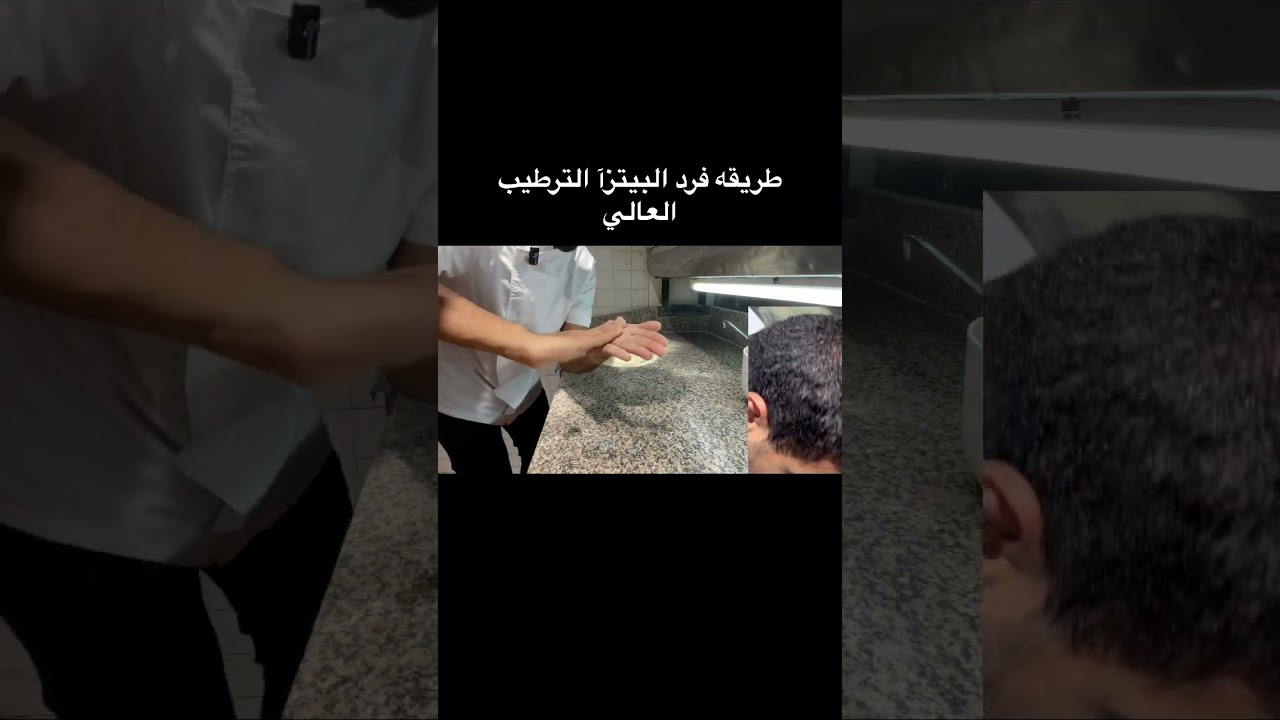
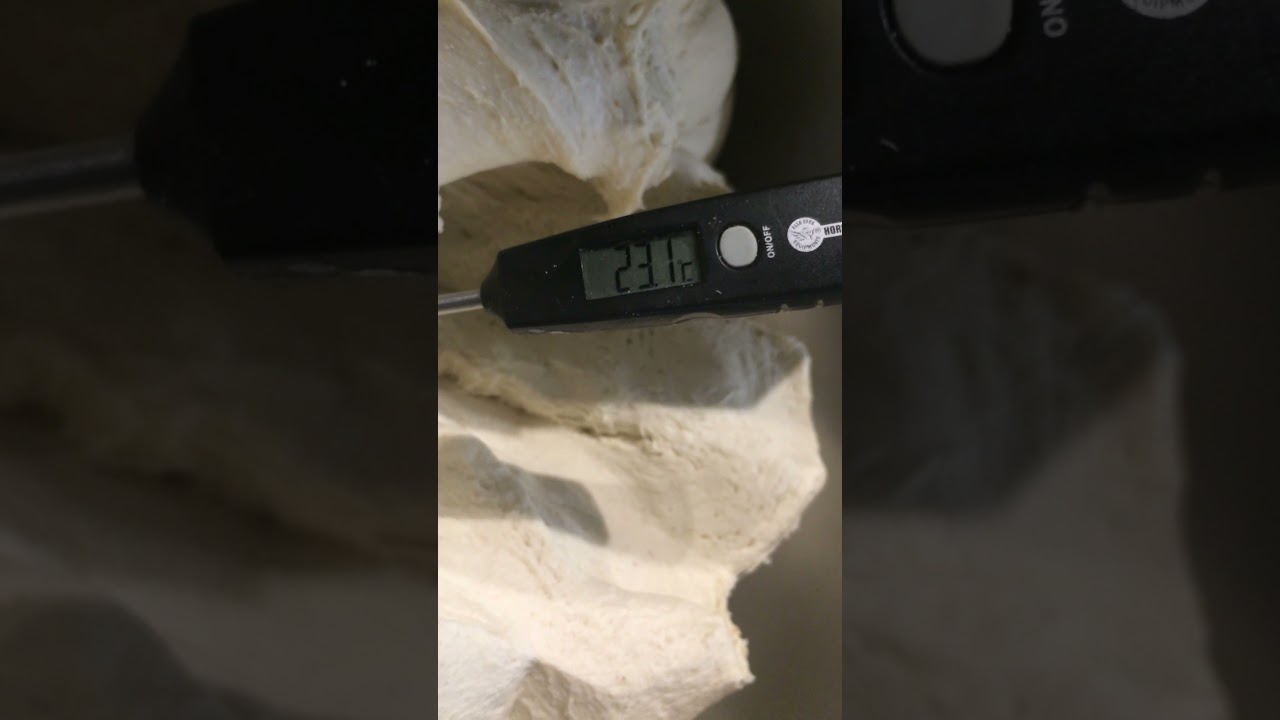
،في الفيديو هنشرح معادلة (تقديرية) لحساب درجة حرارة العجين لكي يبدأ في التخمر وهي بتكون من٢١ للي ٢٥ درجة،لو عاوزين العجينة بعد العجن تكون حرارتها مثلا ٢٣ درجة، يبقي المعادلة بتقول ٢٣×٣( ٣ عوامل وهي حرارة الجو وحرارة الدقيق وحرارة تسخين الماكينة للعجينة)،هيكون الناتج عندي٦٩ درجة،بعد كدة هنشوف حرارة الجو مثلا ٢٥ درجة يبقي درجة الطحين بتكون اقل درجة من حرارة الجو يبقي ٢٤ درجة والمعتاد متوسط حرارة تسخين الماكينة للعجينة بيكون ٥ درجات،يبقي ٢٥+٢٤+٥=٥٤ درجة،هنطرح الدرجة دي من ٦٩ يبقي الباقي هيكون درجة حرارة المية اللي هضيفها للعجين علشان بعد العجن تخرج لي عجينة حرارتها تقريبا بين ٢١ و٢٥ درجة وهي انسب حرارة لتكاثر الخميرة، طيب لوانا معنديش ترمومتر للقياس يبقي في الصيف اضع مية العجين في الثلاجة لمدة ساعتين قبل العجن وبكدة احصل علي عجينة حرارتها مناسبة وليست
ساخنة،وبالتوفيق ان شاء الله
Peace, mercy, and blessings of God be upon you.
When we say the air temperature, we mean the temperature of the place in which we are kneading, not the temperature of the weather outside, meaning if in winter and the temperature is +7 outside, but you have in the kitchen or pizza place +13, it remains as +13 and not +7
In the video, we will explain an equation for calculating the temperature of the dough so that it begins to ferment, and it is from 21 to 25 degrees. If you want the dough after kneading, its temperature is, for example, 23 degrees. The equation keeps saying 23 x 3 (3 factors, which are air temperature and flour temperature And the temperature of the machine's heating of the dough), the result will be 69 degrees for me, after this we will see the air temperature, for example, 25 degrees. The temperature of the flour remains at a temperature lower than the air temperature remains 24 degrees and the usual average temperature of the machine’s heating of the dough is 5 degrees, remains 25 + 24 + 5 = 54 degrees , We will subtract the D degree from 69, keep the rest, and it will be the temperature of the water that I will add to the dough so that after kneading it comes out to me a dough whose temperature is approximately between 21 and 25 degrees, which is the most appropriate temperature for yeast proliferation. In this way, get a dough of appropriate temperature and not hot, and good luck, God willing
Italian language
Quando diciamo temperatura dell'aria, intendiamo la temperatura del luogo in cui stiamo impastando, non la temperatura del tempo fuori, ovvero se in inverno la temperatura è +7 fuori, ma avete in cucina o pizzeria +13, rimane come +13 e non +7
Pace, misericordia e benedizioni di Dio siano su di te. Nel video spiegheremo un'equazione per calcolare la temperatura dell'impasto in modo che inizi a fermentare, ed è da 21 a 25 gradi. Se vuoi l'impasto dopo averlo impastato, la sua temperatura è, ad esempio, 23 gradi. E la temperatura di riscaldamento dell'impasto della macchina), il risultato sarà per me 69 gradi, dopo questo vedremo la temperatura dell'aria, ad esempio 25 gradi.La temperatura della farina rimane ad una temperatura inferiore alla temperatura dell'aria rimane 24 gradi e la temperatura media normale del riscaldamento della pasta della macchina è di 5 gradi, rimane 25 + 24 + 5 = 54 gradi , Sottrarremo il grado D da 69, il resto sarà la temperatura dell'acqua che aggiungerò all'impasto in modo che dopo aver impastato mi venga fuori un impasto la cui temperatura è approssimativamente tra i 21 ei 25 gradi, che è la temperatura più adatta per la proliferazione del lievito, quindi non ho un termometro da conservare in estate. Mettere l'impasto in frigorifero per due ore prima di impastare In questo modo, procurati un impasto di temperatura adeguata e non bollente, e buona fortuna, a Dio piacendo












Информация по комментариям в разработке