Irular tribal. village, attapadi
#triballife #tribalvillage #irular #attapadi #tribal #tribalculture #westernghats #indegenous
unseen beautiful village in attapadi 👇🔗
• யானைகள் நடமாடும் அட்டப்பாடி காடு|பழங்குடிக...
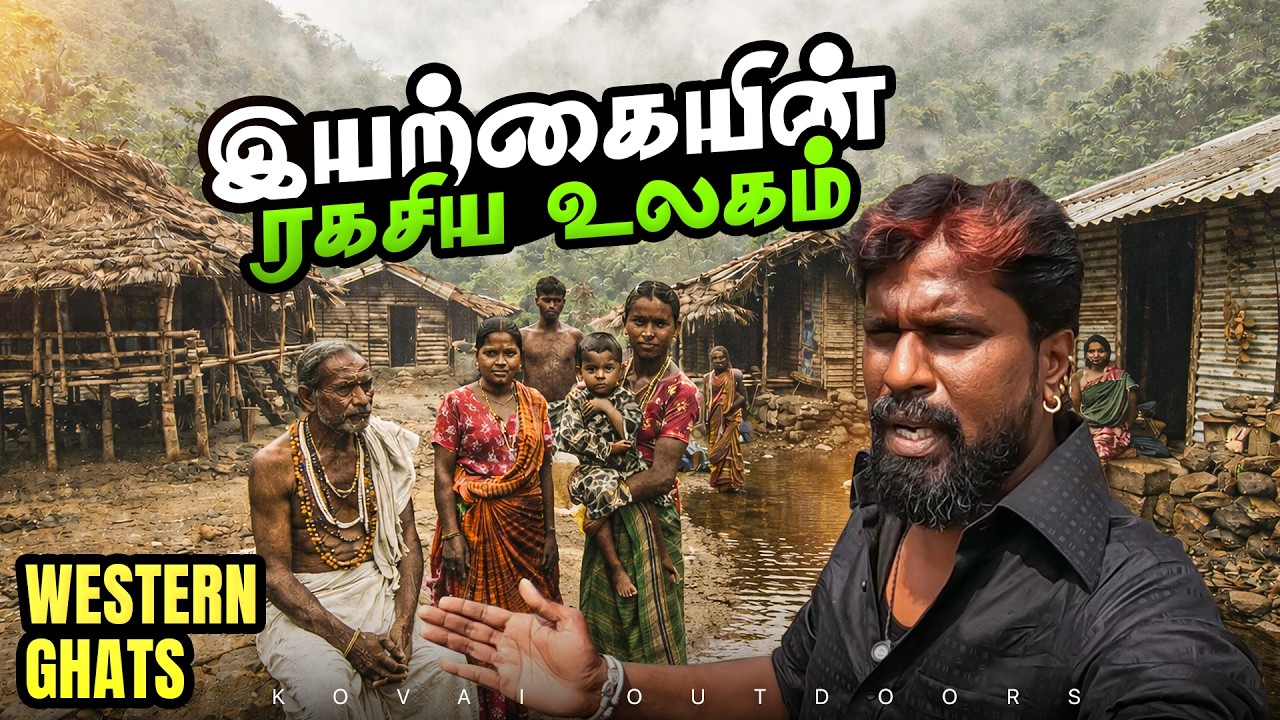
The Irular are one of the ancient indigenous tribes living in the forests of Attappadi, located along the slopes of the Western Ghats. They are among the three major tribal communities of Attappadi, along with the Mudugar and Kurumba.
Origin and Meaning
The word Irular is believed to come from the Tamil word “Irul,” meaning darkness. This name may refer to their traditional life in dense forests or their dark complexion. The Irular are considered one of the oldest inhabitants of the Western Ghats forests, living in close connection with nature for centuries.
Location and Settlements
The Irular mainly live in small tribal hamlets called “Ooru” scattered across the forests of Attappadi. These villages are surrounded by hills, rivers, and thick forest vegetation.
Attappadi itself lies in the Palakkad district near the Tamil Nadu border, which is why many Irular people speak a mix of Tamil and Malayalam.
Their houses are traditionally made from:
Bamboo
Mud
Forest wood
Grass or palm leaves
These eco-friendly homes are built to suit the forest climate.
Language
The Irular speak the Irula language, a dialect influenced by Tamil and Malayalam. Over time, many Irular people have also learned Malayalam due to interaction with the outside world.
Traditional Lifestyle
For generations, the Irular lived a forest-based lifestyle. Their survival depended on the natural resources around them.
Food and Hunting
Traditionally they collected:
Wild honey
Forest tubers
Roots and fruits
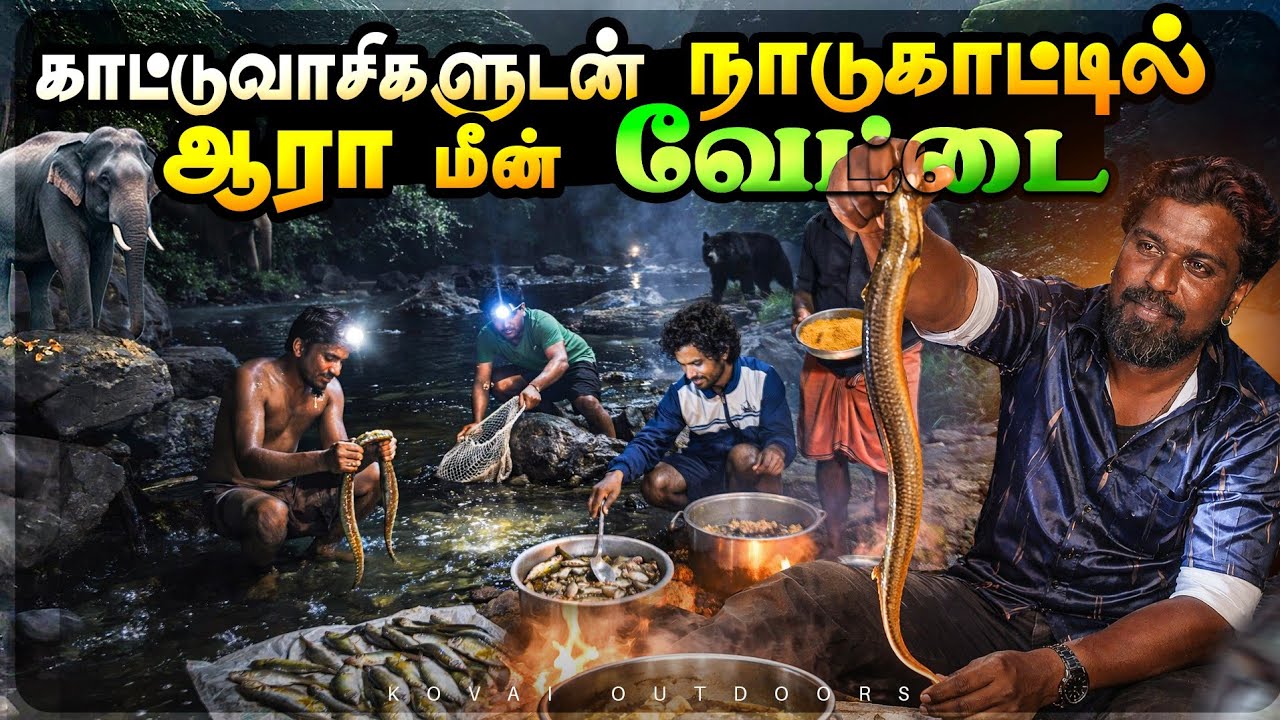
Small fish from rivers
Small animals through hunting
Fishing in forest streams and cooking fresh catch at night is still a cultural activity in some villages.
Knowledge of Forest and Wildlife
The Irular are known for their deep knowledge of forests and animals. They can identify medicinal plants, animal tracks, and weather patterns.
Many Irular people were historically skilled in snake catching, which later became an important livelihood in parts of Tamil Nadu.
Culture and Traditions
Their culture is strongly connected to nature.
They worship nature spirits, hills, rivers, and ancestral gods.
Traditional festivals include harvest rituals and forest worship ceremonies.
Music and dance play an important role in community gatherings.
Instruments like drums and bamboo flutes are commonly used.
Social Life
The Irular community lives in a close-knit social structure. Elders guide important decisions in the village. Respect for nature and community cooperation are key values.
Marriage usually happens within the tribal community, and family bonds are very strong.
Present Situation
Today, the Irular in Attappadi face many challenges:
Loss of traditional forest lands
Poverty and limited employment opportunities
Health and nutrition issues
Influence of modernization
However, government programs and tribal welfare initiatives are slowly helping improve education, healthcare, and livelihood opportunities.
✅ In essence:
The Irular of Attappadi are a forest-rooted tribal community whose life, culture, and survival have always been deeply connected with the forests of the Western Ghats. Their traditional knowledge of nature, wildlife, and medicinal plants makes them one of the most fascinating indigenous cultures in South India.
Irular tribe Attappadi,
Attappadi Irular tribe,
Irular tribal people Kerala,
Attappadi tribal village,
Attappadi forest tribes,
Indigenous tribes of Attappadi,
Irular tribal life Western Ghats,
Attappadi tribal culture,
Irular people lifestyle,
Tribal village Attappadi Kerala,
Attappadi forest documentary,
Attappadi tribal life,
Western Ghats tribal community,
Kerala tribal culture,
Hidden tribal villages India,
Indigenous people of Western Ghats,
Tribal lifestyle in Kerala,
Irular traditional lifestyle,
Irular hunting and fishing,
Tribal food in forest,
Attappadi indigenous culture,
Tribal traditions Western Ghats,
Forest tribes of Kerala,
Attappadi nature and tribes,









Информация по комментариям в разработке