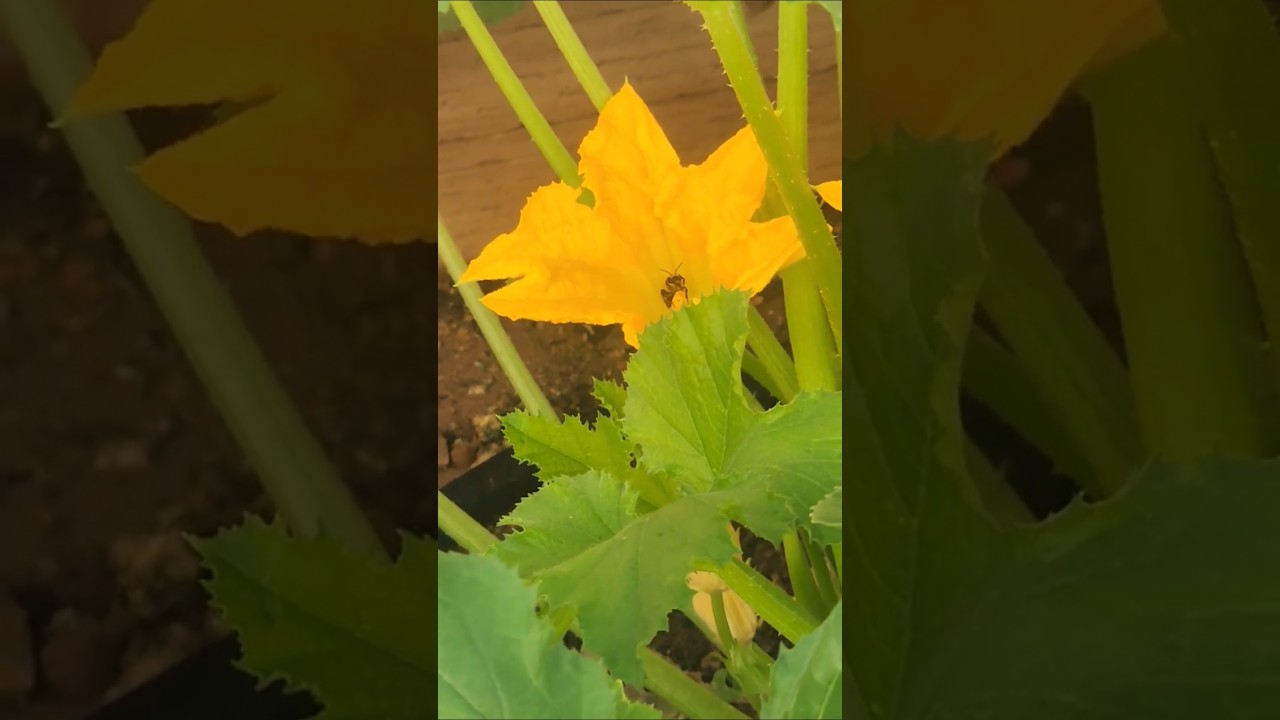
🐝 Honey Bees in Arizona Gardens | Why Your Garden Needs Them! 🌼🌵
Discover the powerful role honey bees play in Arizona gardens! From boosting fruit and vegetable harvests to pollinating native desert flowers, honey bees are essential helpers in our backyards. In this video, we’ll explore how honey bees thrive in Arizona’s warm climate, what makes them unique in the desert, and how they can dramatically improve your garden’s health and productivity.
🌸 Learn how to:
Attract and support honey bees in your Arizona garden
Understand the difference between European and Africanized bees
Choose bee-friendly flowers and herbs for the desert
Avoid common mistakes that harm pollinators
Whether you're growing tomatoes, citrus, or colorful wildflowers, honey bees are your secret weapon for a thriving garden in the Southwest!
🐝 Bee Population Decline: What’s Happening?
📉 Global and U.S. Trends
Honey bee colonies in the U.S. have been declining for decades. Beekeepers regularly report losing 30–45% of hives per year.
Native bee species (like bumblebees, leafcutter bees, and mason bees) are also at risk—some are endangered or near extinction.
In Arizona, despite having 1,300+ native species, many are becoming harder to find in urban areas and natural spaces alike.
🚨 Key Causes of Bee Decline
1. Pesticides (Especially Neonicotinoids)
Common garden and agricultural chemicals can harm bees’ nervous systems, navigation, and reproduction.
Even low doses of systemic pesticides like neonicotinoids contaminate pollen and nectar.
2. Habitat Loss
Urban sprawl, agriculture, and desert landscaping often remove wildflowers, native plants, and natural nesting areas.
Native bees, many of which nest in soil or wood, lose places to live and forage.
3. Climate Change
Rising temperatures and erratic weather affect bloom cycles, disrupting the timing between flower availability and bee activity.
Drought (common in Arizona) limits both nectar and pollen availability.
4. Parasites and Disease
Varroa mites are a major threat to honey bees, weakening colonies and spreading viruses.
Native bees face threats from diseases that can sometimes be passed from managed bees to wild ones.
5. Monocultures and Lack of Plant Diversity
Large-scale farms and even uniform landscaping offer limited nutrition compared to diverse native plantings.
Bees need a variety of plants for a balanced diet.
🌎 Why This Matters (Especially in Arizona)
Bees pollinate 75% of flowering plants and nearly 1 in 3 bites of food we eat.
In Arizona, they help pollinate crops like melons, citrus, squash, cotton, and native plants that support the desert ecosystem.
Declining bees mean fewer healthy gardens, lower crop yields, and a shrinking web of life.
🛠️ What You Can Do to Help
🌼 Plant native flowers that bloom at different times of the year.
🐝 Avoid pesticides—especially neonicotinoids.
💧 Provide clean water sources for bees.
🏡 Create bee habitats: leave bare soil patches, woodpiles, and plant hedgerows.
🐾 Support local beekeepers by buying raw, local honey.
📚 Spread awareness and participate in citizen science projects like bee counts.
Thank you for watching.
#HoneyBees #ArizonaGardening #PollinatorGarden #BeeFriendly #GardenTips #BackyardGarden #DesertGardening #SustainableGardening #GrowYourOwn #BeeSafe #ArizonaBees #GardenHelp #UrbanGarden #OrganicGarden #SaveTheBees #ArizonaGardening #pollinatorpower

Информация по комментариям в разработке