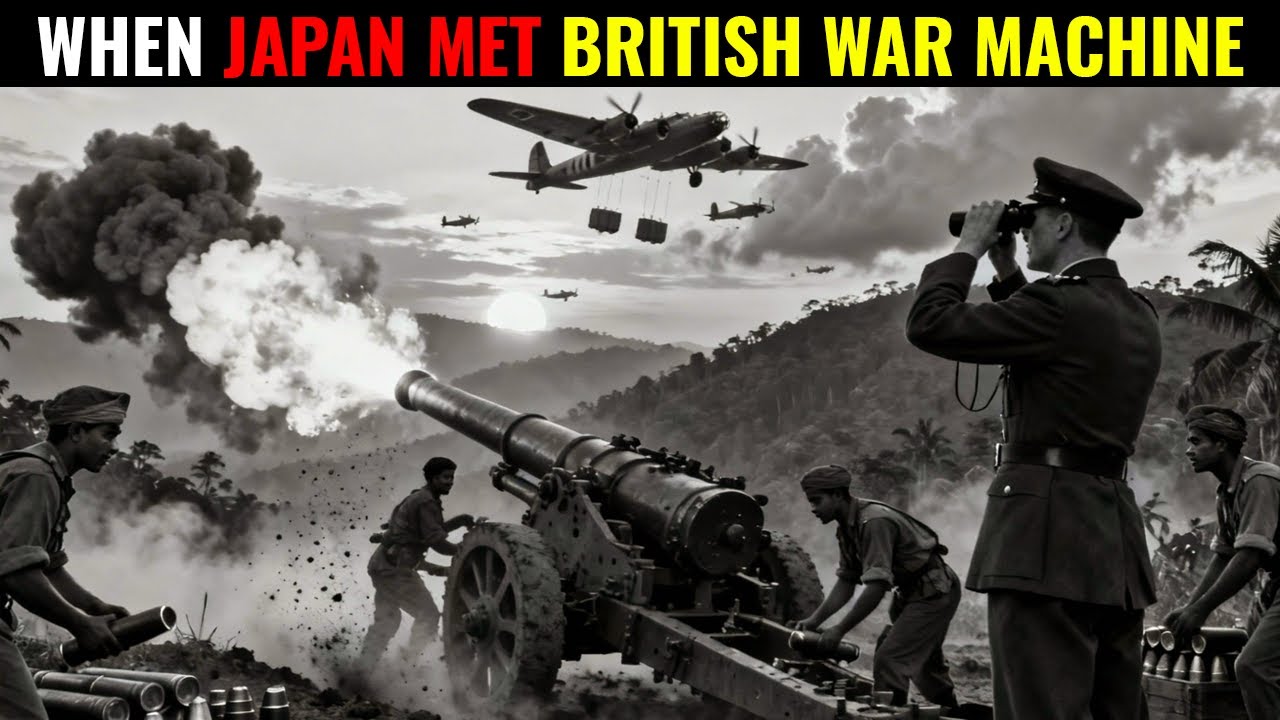
In 1944 Japan launched Operation U-Go—a march through Burma’s mountains to seize Imphal and Kohima, then roll into India. General Renya Mutaguchi promised victory in weeks; his officers warned the rice would not last.
Across the hills, William Slim rebuilt the British-Indian Army and wagered on a new weapon: air supply. C-47 Dakotas fed besieged garrisons while monsoon mud swallowed roads. At Kohima’s infamous tennis court, trenches were so close men heard each other breathe. Starvation overtook the attackers; units charged and collapsed mid-stride.
When Kotoku Sato defied orders to keep attacking, the retreat became a Road of Bones back to the Chindwin River. On 22 June, the British struck—artillery and tanks pulverized positions held by soldiers down to a few rounds per man. By July, fewer than 20,000 of the 100,000 who marched toward Delhi could still fight. Imphal–Kohima proved a brutal truth of modern war: courage without supply is a death sentence, and logistics decide empires.
#ww2 #documentary #history #imphal #kohima
This video is all about:
world war 2, ww2 documentary, ww2 history, burma campaign, operation u-go, imphal, kohima, british indian army, william slim, renya mutaguchi, kotoku sato, siege of imphal, battle of kohima, tennis court battle, air supply, dakota c-47, raf transport, jungle warfare, monsoon, starvation march, road of bones, chindwin river, gurkhas, naga guides, imperial japanese army, japanese fifteenth army, royal west kent regiment, logistics in war, pacific war, military history
00:00 March on Delhi Begins
03:30 Slim’s Plan: Air Supply
06:40 Into the Jungle Grind
09:20 Kohima’s Tennis Court
13:00 Imphal Under the Monsoon
17:00 Starvation Breaks the Assault
21:30 Sato Defies the Orders
26:00 Operation Endeavour Strikes
30:00 The Road of Bones
33:30 Lessons Written in Logistics
Subscribe for more unheard fronts of WWII—ring the bell so the stories buried by jungle and time never vanish again.
Информация по комментариям в разработке