00:00 - Dinosaurs Herded Together: 76 Million-Year-Old Proof in Alberta
03:55 - Different Dinosaur Species May Have Really Traveled Together: New Evidence
07:04 - Dinosaur hunters make “chilling” discovery deep in Canadian badlands
1. Dinosaurs Herded Together: 76 Million-Year-Old Proof in Alberta
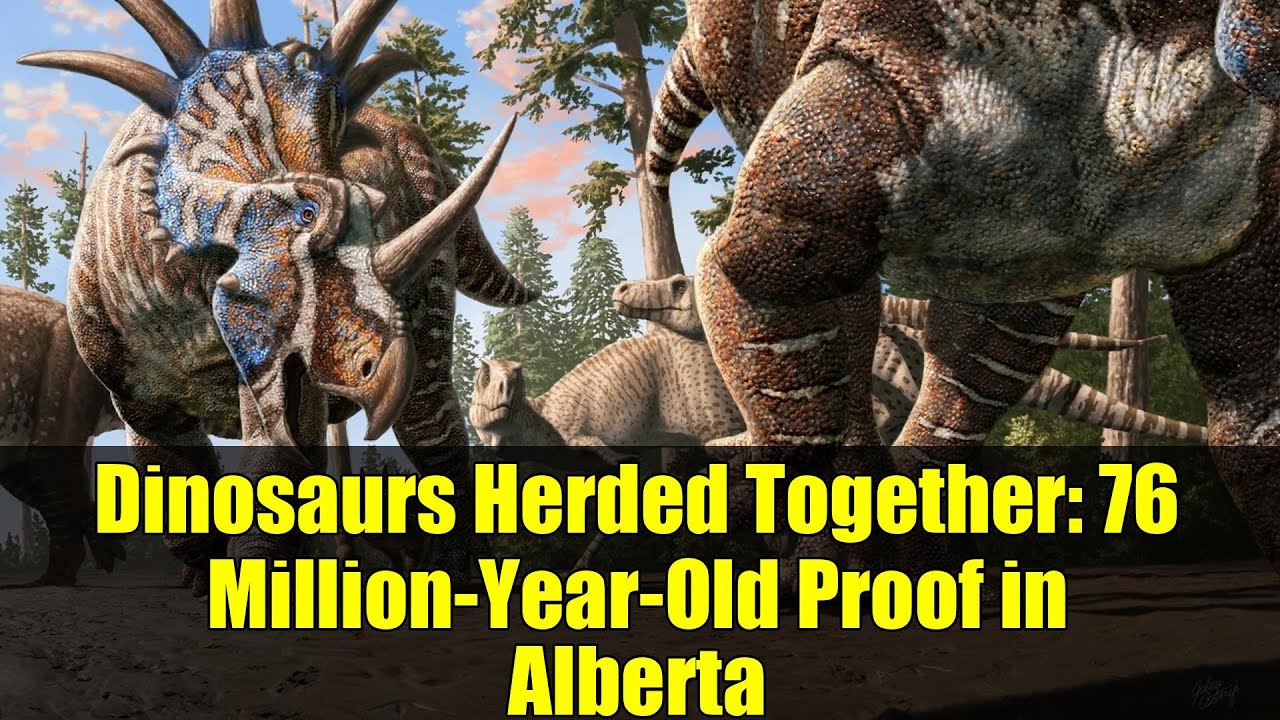
Paleontologists have uncovered groundbreaking evidence showing that dinosaurs traveled in multispecies herds, much like modern wildebeest and zebra on Africa’s plains. At Dinosaur Provincial Park in Alberta, Canada, fossilized footprints reveal that horned ceratopsians and an armored ankylosaur walked side by side—marking the first confirmed case of mixed-species dinosaur herding behavior, as detailed in a new PLOS One study[1][2][3].
Excitingly, the tracks also include two large tyrannosaur footprints running perpendicular to the herd, suggesting these apex predators may have stalked the group as a defense strategy[1][2][3]. This discovery changes our understanding of dinosaur social behavior and offers a rare snapshot of predator-prey dynamics in the Cretaceous Period. Join us as we explore the science behind these ancient tracks, the lush prehistoric environment of Alberta, and what this means for future dinosaur discoveries[1][4].
Don't miss this journey back 76 million years—see how researchers are reimagining dinosaur interactions based on these remarkable footprints!
Keywords: dinosaur footprints, multispecies herding, Dinosaur Provincial Park, Alberta, Cretaceous Period, Tyrannosaurus rex, ankylosaur, ceratopsian, paleontology, paleontology discovery, dinosaur behavior, ancient predators.
2. Different Dinosaur Species May Have Really Traveled Together: New Evidence
Recent fossil discoveries in Alberta, Canada, suggest that different dinosaur species may have traveled together in mixed-species herds, much like zebras and wildebeests do today. Paleontologists found fossilized footprints that indicate a small group of ceratopsians, an ankylosaurid, and possibly a theropod may have been moving together, possibly to protect themselves from predators like tyrannosaurs. This finding challenges previous assumptions about dinosaur behavior and provides insight into their social interactions. Keywords: dinosaur herding, mixed-species herds, ceratopsians, ankylosaurid, theropod, paleontology, fossil footprints, dinosaur behavior, predator-prey relationship, Dinosaur Provincial Park.
3. Dinosaur hunters make “chilling” discovery deep in Canadian badlands
In July 2024, researchers uncovered a rare set of dinosaur footprints at Dinosaur Provincial Park in Alberta, Canada—a UNESCO World Heritage Site. The 'Skyline Tracksite' reveals the first evidence of mixed-species herding behavior among dinosaurs 76 million years ago. Footprints from ceratopsians, ankylosaurs, and a small carnivore were found, with two large tyrannosaur tracks suggesting apex predators may have stalked the group. Published in PLOS One, the discovery sheds light on ancient ecosystems and dinosaur social behavior. Learn how these fossils were preserved and what this means for our understanding of prehistoric life.

Информация по комментариям в разработке