#MadeInAfrica #AfricaRising #IndustrializationInAfrica
African value addition unfolds as a powerful transformation story—one where ingenuity and ambition breathe new life into the continent’s abundant raw resources. Imagine a journey that sweeps us from Ghana’s cocoa farms, through Kenya’s bustling avocado markets, to Nigeria’s industrial heartlands. Let’s unravel this narrative, using vivid examples that make complex ideas accessible to everyone.
What is Value Addition?
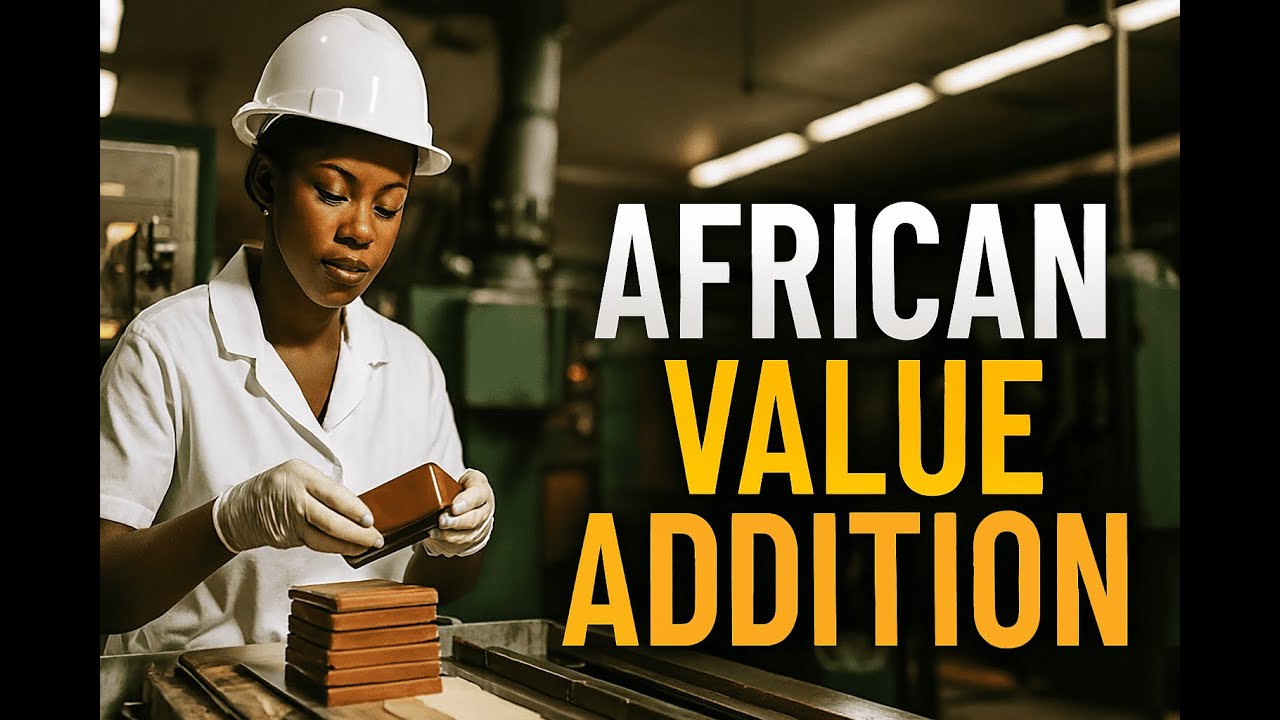
Picture the fields of West Africa, where cocoa beans have long been harvested and shipped off as raw cargo—destined to be turned into luxury chocolate bars elsewhere. But a quiet revolution is underway. Value addition means transforming these humble beans into coveted chocolate, right at home. Now, Ghana’s “Golden Tree Chocolate” isn’t just a local treat—it draws international buyers, boosting profits and keeping more wealth within Ghana. Suddenly, a $2,500 shipment of beans becomes boxes of chocolates at $15 a pop. The difference is more than numbers—it’s new businesses, skilled jobs, and vibrant communities building their futures.
Why Does Value Addition Matter?
This strategy sparks economic fire:
• Higher revenues: Finished goods bring in far more money than raw exports, letting countries capture greater profits at every turn.
• Job creation: Each step—processing, packaging, branding—spawns new opportunities and livelihoods across industries.
• Economic resilience: By diversifying beyond unprocessed goods, economies become steadier when global prices shift wildly.
• Skills and technology: Manufacturing needs know-how, growing expertise and innovation right where it matters most: locally.
Ghana’s Cocoa Transformation
For decades, Ghana’s role was clear: grow beans, ship them out. But policymakers saw that the real gains were being made far away, when chocolate bars appeared in foreign markets. They championed local processing, so today, cocoa butter, powder, and chocolate bars—all made in Ghana—are celebrated from Accra to Amsterdam. This shift created thousands of jobs and built a brand identity for products like “Golden Tree Chocolate,” which now earn premium prices worldwide.
Kenya’s Avocado Revolution
In Kenya, the avocado was once just another export. Visionary farmers and entrepreneurs saw global demand for healthy foods and cosmetics, and started producing avocado oil and ready-to-eat guacamole. Their efforts unlocked new markets far beyond Africa, while incomes soared and jobs flourished across the value chain—from processing to packaging to retail.
Nigeria’s Cassava Innovation
Nigeria, famed for its cassava, used to rely on selling the raw tubers. Now, mills transform cassava into garri, gluten-free flour, starch, and ethanol. These products offer stability for farmers, options for consumers, and resilience when market conditions change. Meanwhile, health-conscious customers and new business models continue to grow.
The Dangote Cement Story
Industrial giant Dangote chose a different path, building cement factories across the continent rather than exporting limestone. By investing in infrastructure, energy, and manufacturing, Dangote delivers cement for African construction, fueling visible development and inspiring similar industrial ventures everywhere.
Diversification Beyond Basics
Countries such as Uganda have moved from raw coffee beans to exporting finished building materials, beverages, and branded tobacco—proving that value addition expands trade and strengthens economies, regionally and globally.
Regional Momentum and Critical Minerals
The African Union—and national governments—advocate value addition and resource nationalism. By processing lithium and cobalt, vital for global electronics and green energy, Africa is stepping into key roles on the world stage.
Challenges and Forward Motion
Not every chapter is easy. Reliable power, good roads, steady policy, and ongoing skills development remain crucial hurdles. Yet with every new business—like cassava processors in sub-Saharan Africa—the momentum builds, as countless entrepreneurs join the journey.

Информация по комментариям в разработке