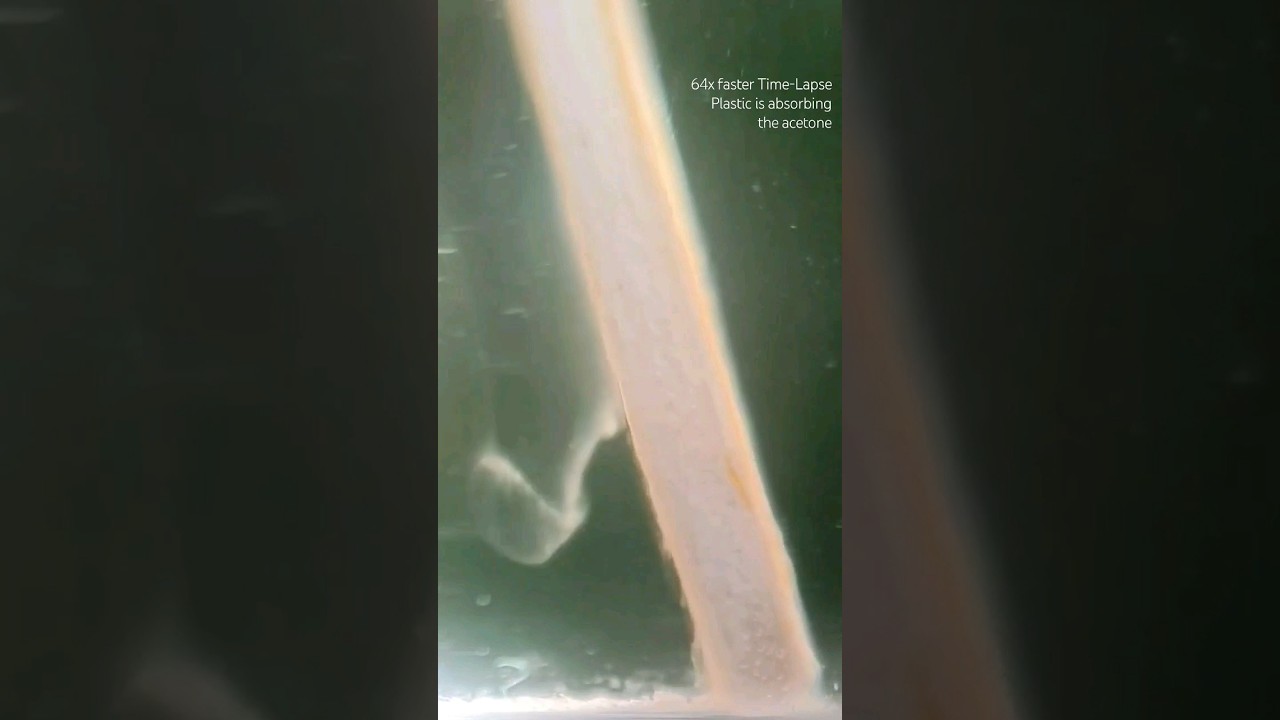
Acetone can react with or dissolve several types of plastic, particularly those that are more susceptible to its solvent properties. Some common plastics that can be affected by acetone include:
Polystyrene (PS): Acetone can readily dissolve polystyrene, which is used in products like disposable cups, food containers, and some packaging materials.
Acrylic (PMMA): Acetone can soften and craze acrylic plastics. These are often used in clear sheets, signage, and some consumer products.
Certain Types of Polypropylene (PP): While some forms of polypropylene are resistant to acetone, others can be softened or weakened by it. Polypropylene is used in various applications, including packaging, automotive parts, and textiles.
ABS (Acrylonitrile Butadiene Styrene): ABS plastics can be affected by acetone, causing softening and potential deformation. ABS is used in products like LEGO bricks, automotive parts, and consumer electronics.
Polycarbonate (PC): Acetone may cause stress cracking in polycarbonate, which is used in items like eyeglass lenses and some transparent or impact-resistant products.
It's essential to be cautious when working with acetone around plastics, as its effects can vary depending on the specific type of plastic and the concentration of acetone. Always check the compatibility of the plastic you're using with acetone and follow proper safety precautions. If you need to clean or remove substances from plastic, consider using a more plastic-friendly solvent or method to avoid damage.
---
Acetone vs Plastic, Acetone and Plastic Reactions, Plastic Dissolving with Acetone, Acetone Solvent Experiments, Acetone Chemistry, Polystyrene and Acetone, Acrylic Plastic, and Acetone, Polypropylene and Acetone, ABS Plastic vs Acetone, Polycarbonate, and Acetone, Plastic Chemical Reactions, Acetone Safety Precautions, DIY Acetone Experiments, Plastic Damage Prevention, Plastic Compatibility with Acetone, Acetone and Polymer Reactions, Acetone in Art and Craft, Plastics in Solvents, Chemical Interactions with Plastics, Acetone-Plastic Compatibility Testing

Информация по комментариям в разработке