Logo video2dn
  • Сохранить видео с ютуба
  • Категории
    • Музыка
    • Кино и Анимация
    • Автомобили
    • Животные
    • Спорт
    • Путешествия
    • Игры
    • Люди и Блоги
    • Юмор
    • Развлечения
    • Новости и Политика
    • Howto и Стиль
    • Diy своими руками
    • Образование
    • Наука и Технологии
    • Некоммерческие Организации
  • О сайте

Скачать или смотреть Basic principles of flap ( envelope, trapezoid, triangular and semilunar flaps )

  • Dentistry with Dr. Nassr Al-Hutbany
  • 2024-06-20
  • 1879
Basic principles of flap ( envelope, trapezoid, triangular and semilunar flaps )
  • ok logo

Скачать Basic principles of flap ( envelope, trapezoid, triangular and semilunar flaps ) бесплатно в качестве 4к (2к / 1080p)

У нас вы можете скачать бесплатно Basic principles of flap ( envelope, trapezoid, triangular and semilunar flaps ) или посмотреть видео с ютуба в максимальном доступном качестве.

Для скачивания выберите вариант из формы ниже:

  • Информация по загрузке:

Cкачать музыку Basic principles of flap ( envelope, trapezoid, triangular and semilunar flaps ) бесплатно в формате MP3:

Если иконки загрузки не отобразились, ПОЖАЛУЙСТА, НАЖМИТЕ ЗДЕСЬ или обновите страницу
Если у вас возникли трудности с загрузкой, пожалуйста, свяжитесь с нами по контактам, указанным в нижней части страницы.
Спасибо за использование сервиса video2dn.com

Описание к видео Basic principles of flap ( envelope, trapezoid, triangular and semilunar flaps )

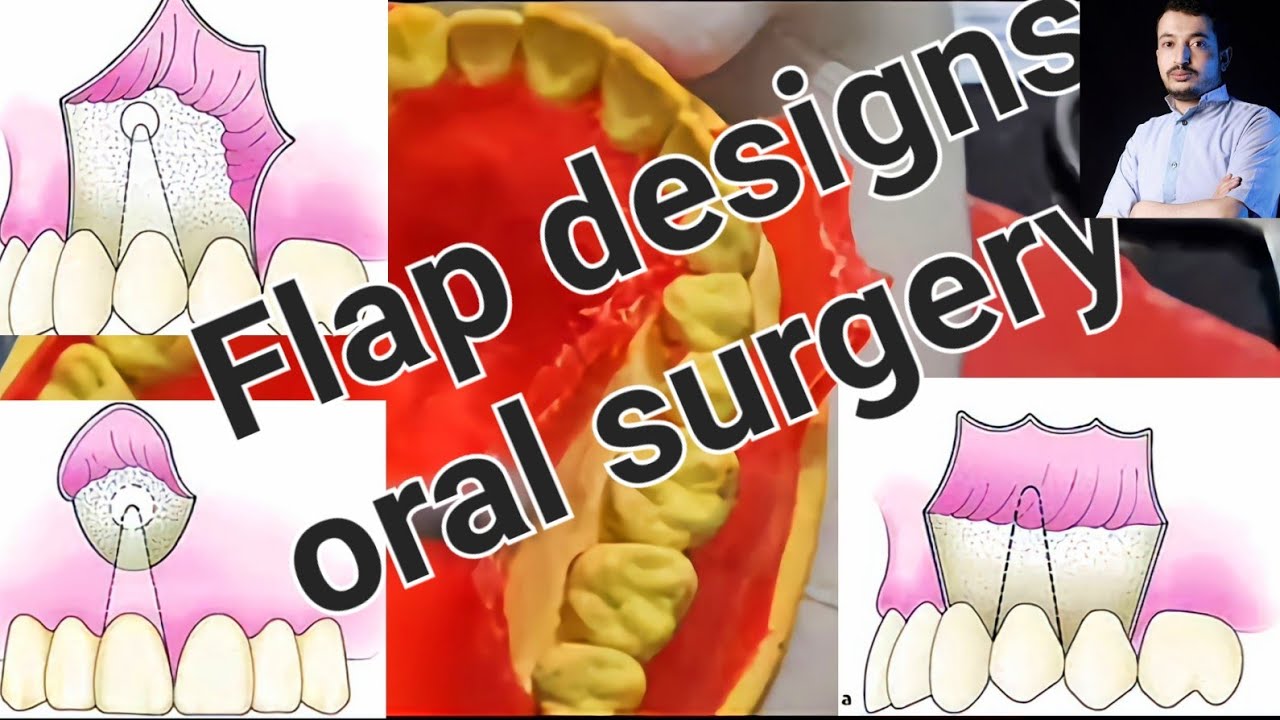
This video explain the basic principles and designs of flaps that used during oral surgery . #dentistry #dentist #dentalstudent #dentalclinic #oralsurgery #preclinical #toothextraction
Envelope Flap
 The most common type of flap. The incision is made to any length (depending on the amount of exposure needed) intraorally around the necks of the teeth along the free gingival margin on the buccal or lingual aspect including the interdental papillae

triangular flap: In addition to the envelope flap, a vertical releasing. incision is used in order to have better access to the area. This vertical releasing. incision is made on one side of the envelope flap (at the proximal or distal end) going divergent towards the buccal vestibule forming an obtuse angle at the free gingival margin.

trapezoidal flap.
flap: This is the modification of the triangular flap to improve the visibility and access. An additional vertical incision is added in the opposite direction from the earlier release. Here, care should be taken that the base of the flap must be wider than the apex to ensure good blood supply.

Semilunar flap: Whenever the periapical area is required to be exposed to carry out periapical surgery, this flap is designed. Again, the base of the flap should be broader than the apex and the suture line should not lie on the bony defect.

Basic principles of flap designing
Principle 1: Use of a new proper size sharp surgical blade for making any incision.
Principle 2: Long continuous incision stroke is preferred to short interrupt multiple
strokes.
Principle 3: Full visibility of the operative site is essential. It has been suggested that
the incision be made longer than the amount required to expose the operative site.
This offers greater visibility of the bone. It should be pointed out that long incisions
heal as rapidly as short one.
Principle 4: A flap should be broader at its base than at the apex. If tension-relieving
incisions are required to avoid stretching or tearing the tissues, these incisions should
be made obliquely to ensure broad based flaps. The design for the flap should also
facilitate wound closure once the surgical task is complete.
Principle 5: Avoid cutting vital structures. Allow for proper identification of
important anatomical landmarks: The location and path of the blood vessels and
nerves should be evaluated, protected and preserved during the duration of the
surgical procedure. Maintenance of adequate blood supply is of prime importance.
Principle 6: Incise through attached gingiva over healthy bone rather than over the
anticipated postoperative surgical defect. Properly positioned incisions allow the
wound margins to be sutured over intact, healthy bone thereby providing support for
the healing wound.
Principle 7: The periosteum serves as the major vascular supply to the bone;
therefore, at most, only a minimal amount, if any, of the periosteum should be
removed.
Principle 8: If papillae are involved, they should not be bisected but elevated in total.

Комментарии

Информация по комментариям в разработке

Похожие видео

  • О нас
  • Контакты
  • Отказ от ответственности - Disclaimer
  • Условия использования сайта - TOS
  • Политика конфиденциальности

video2dn Copyright © 2023 - 2025

Контакты для правообладателей [email protected]