In this video, we explore the mathematics behind Artificial Intelligence — from fundamentals to modern Large Language Models.
We begin with the broad divisions of AI:
Machine Learning
Deep Learning
Generative AI
Then we break down the three core mathematical pillars that power AI systems:
• Linear Algebra – How data (text, images, audio) is represented using vectors, matrices, and embeddings
• Calculus – How models learn using gradients, backpropagation, and optimization
• Probability & Statistics – How models make predictions and generate outputs
We also explain:
Regression, Classification, and Clustering
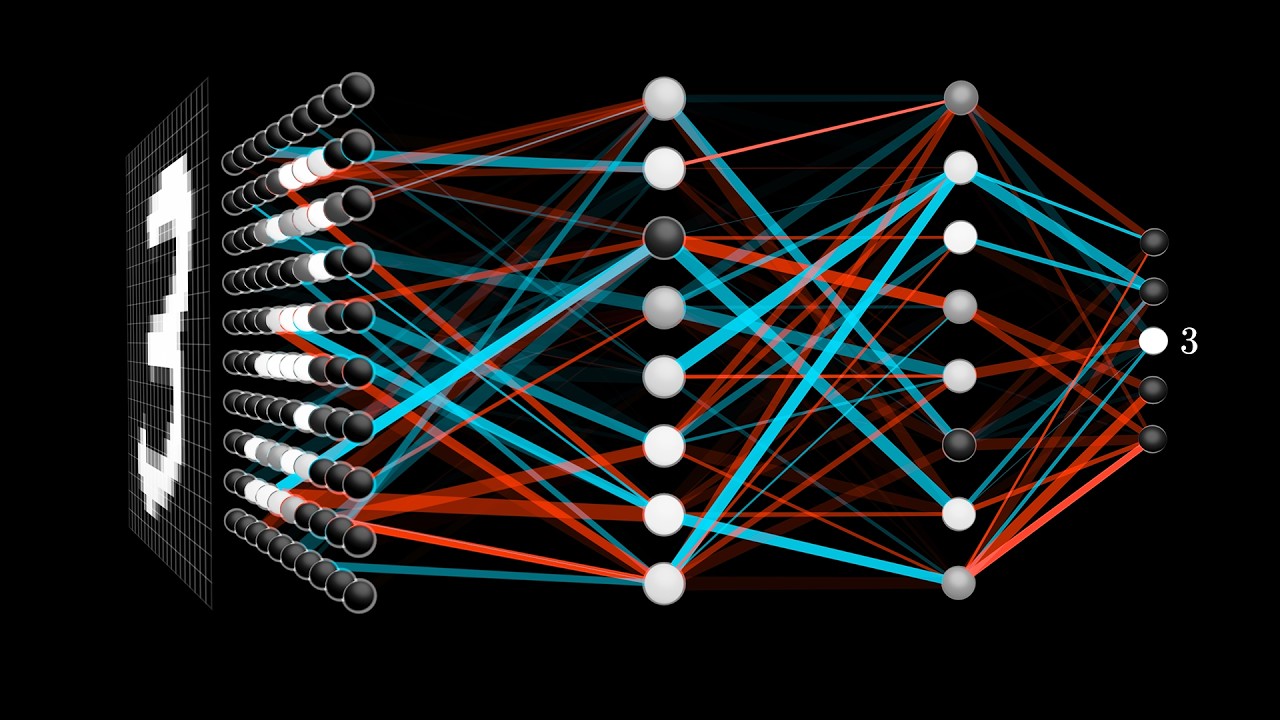
Neural Networks (ANN, CNN, RNN)
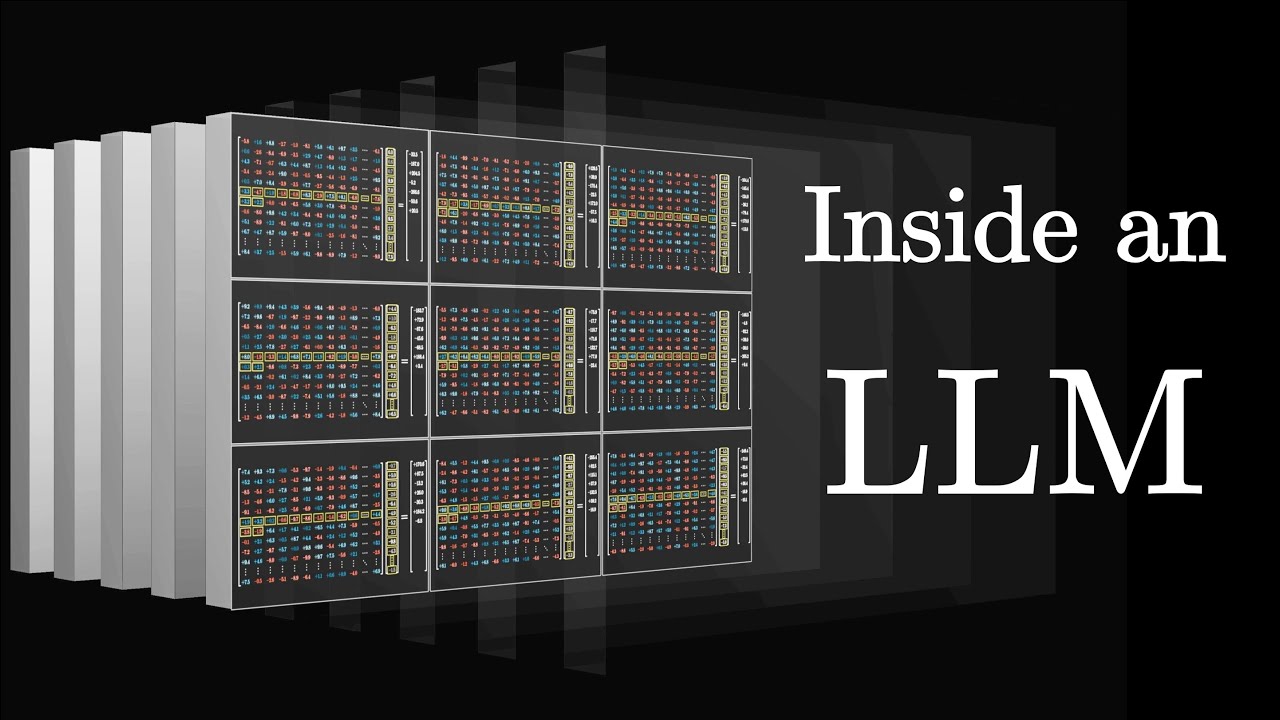
Transformers and how they power modern LLMs
What parameters really mean (weights, floating points)
Why Generative AI is fundamentally a probability model
Temperature, Top-K, Top-P, Softmax explained
Finally, we connect everything back to Linear Regression, the “Hello World” of AI, and understand how it scales into modern large models.
This session is designed for:
Students learning AI fundamentals
Developers transitioning into AI/ML
Anyone curious about how AI really works behind the scenes
AI is not magic — it is mathematics, optimized at scale.
If you’d like a deep-dive video on embeddings or any specific topic covered here, let me know in the comments.
Timeline:
0:00 Introduction to AI Fundamentals
2:29 Broad Divisions of AI
3:14 Machine Learning (Regression, Classification, Clustering)
4:18 Deep Learning (ANN, CNN, RNN, Transformers)
5:32 Generative AI (LLMs, Multimodal Models, LAMs)
6:09 Mathematics in AI
6:28 Linear Algebra in AI (Embeddings, Matrices, Vectors)
8:40 Calculus in AI (Derivatives, Gradients, Backpropagation)
10:37 Probability & Statistics in AI (Softmax, Temperature, Distributions)
12:35 Part2 - Linear Regression – Hello World of AI
Информация по комментариям в разработке