At http://www.doctorsexpressdanbury.com we take great measures to keep you safe in these cold months.
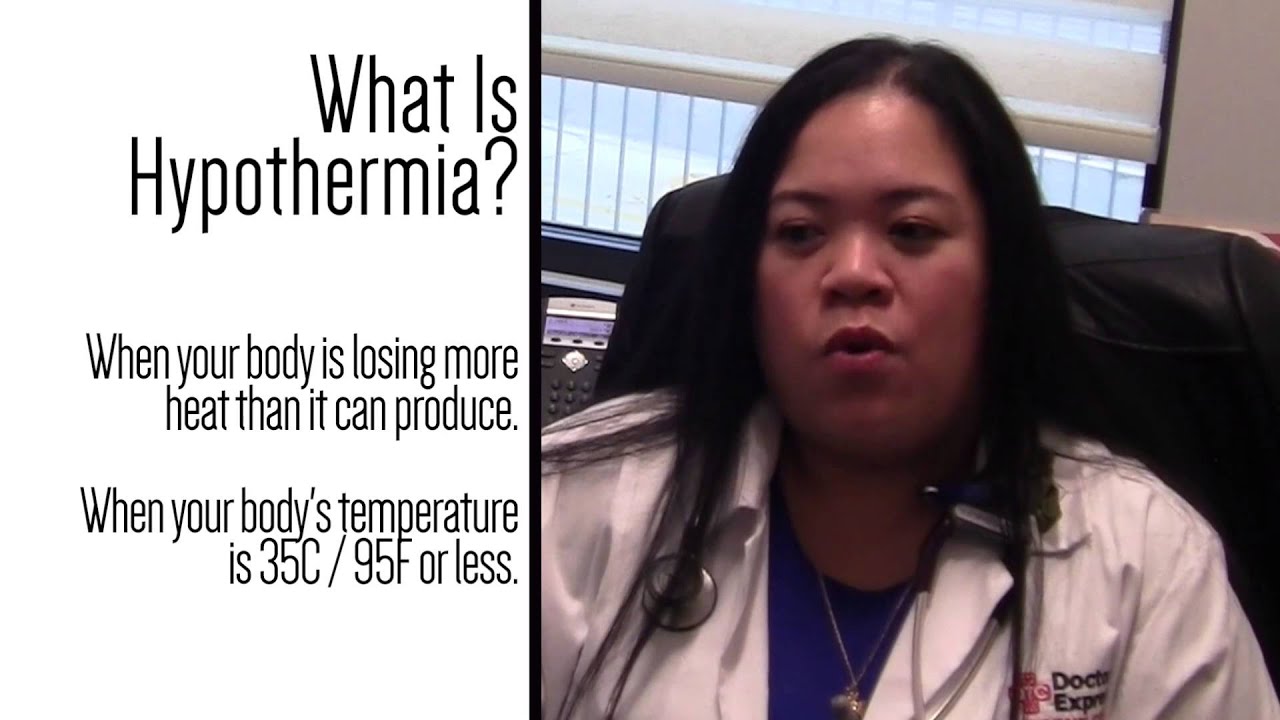
When exposed to cold temperatures, your body begins to lose heat faster than it can be produced. In time, the cold will use up your body’s stored energy. The result is hypothermia. Hypothermia, simplified, is a dangerously low body temperature. Extremely low body temperature can have a negative effect in the brain function. For example, the victim may become unable to think clearly or move well. This is one of the most dangerous attributes of hypothermia, because it is possible that the affected person may not be able to comprehend what is happening, and wont be able to get help.
Hypothermia most commonly occurs at extremely cold temperatures, but it can develope even at cool temperatures (above 40°F) if a person becomes chilled from rain, sweat, or submersion in cold water.
Victims of hypothermia are often (1) elderly people with inadequate food, clothing, or heating; (2) babies sleeping in cold bedrooms; (3) people who remain outdoors for long periods—the homeless, hikers, hunters, etc.; and (4) people who drink alcohol or use illicit drugs.
Symptoms of hypothermia include:
Adults:
• shivering, exhaustion
• confusion, fumbling hands
• memory loss, slurred speech
• drowsiness
Infants:
• bright red, cold skin
• very low energy
What To Do
If you notice any of these signs, take the person’s temperature. The situation is an emergency and requites medical attention if the persons temperature is under 95°
If medical care is not available, take the following precautionary steps:
• Get the victim into a warm room or shelter.
• Remove any wet clothing from the victim
• Warm the center of the body first—chest, neck, head, and groin—using an electric blanket, if available. Or use skin-to-skin contact under loose, dry layers of blankets, clothing, towels, or sheets.
• Warm beverages can help increase the body temperature, but do not give alcoholic beverages. Do not try to give beverages to an unconscious person.
• After body temperature has increased, keep the person dry and wrapped in a warm blanket, including the head and neck.
• Seek medical attention as soon as possible.
It is common for a person with hypothermia to be unconscious, and even almost no pulse or breath. In this case, handle the victim gently, and get emergency assistance immediately. Even if the victim appears dead, CPR should be provided. CPR should continue while the victim is being warmed, until the victim responds or medical aid becomes available. In some cases, hypothermia victims who appear to be dead can be successfully resuscitated.
• Know the Symptoms of Hypothermia
Know the Symptoms of Hypothermia; urgent care in danbury

Информация по комментариям в разработке