Logo video2dn
  • Сохранить видео с ютуба
  • Категории
    • Музыка
    • Кино и Анимация
    • Автомобили
    • Животные
    • Спорт
    • Путешествия
    • Игры
    • Люди и Блоги
    • Юмор
    • Развлечения
    • Новости и Политика
    • Howto и Стиль
    • Diy своими руками
    • Образование
    • Наука и Технологии
    • Некоммерческие Организации
  • О сайте

Скачать или смотреть Enteral Feeding Tube Exit Site Care, Gastrostomy and Jejunostomy

  • Medilife
  • 2025-04-27
  • 459
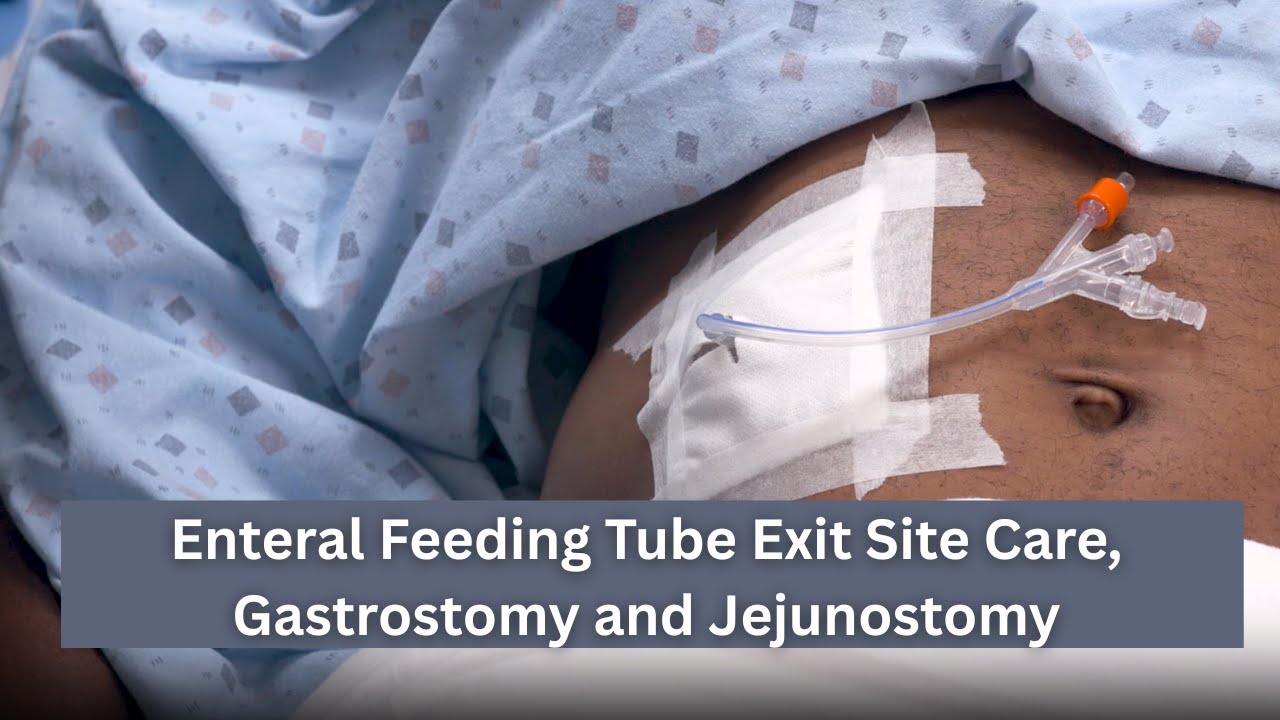
Enteral Feeding Tube Exit Site Care, Gastrostomy and Jejunostomy
  • ok logo

Скачать Enteral Feeding Tube Exit Site Care, Gastrostomy and Jejunostomy бесплатно в качестве 4к (2к / 1080p)

У нас вы можете скачать бесплатно Enteral Feeding Tube Exit Site Care, Gastrostomy and Jejunostomy или посмотреть видео с ютуба в максимальном доступном качестве.

Для скачивания выберите вариант из формы ниже:

  • Информация по загрузке:

Cкачать музыку Enteral Feeding Tube Exit Site Care, Gastrostomy and Jejunostomy бесплатно в формате MP3:

Если иконки загрузки не отобразились, ПОЖАЛУЙСТА, НАЖМИТЕ ЗДЕСЬ или обновите страницу
Если у вас возникли трудности с загрузкой, пожалуйста, свяжитесь с нами по контактам, указанным в нижней части страницы.
Спасибо за использование сервиса video2dn.com

Описание к видео Enteral Feeding Tube Exit Site Care, Gastrostomy and Jejunostomy

Enteral Feeding Tube Exit Site Care, Gastrostomy and Jejunostomy

Introduction
Enteral feeding tubes (gastrostomy or jejunostomy) are placed through the abdominal wall for long-term nutrition (longer than 4 to 6 weeks). They can be inserted surgically or percutaneously (e.g., PEG or PEJ tubes). PEG/PEJ tubes are inserted endoscopically, while surgical tubes are placed during intra-abdominal surgery. Careful skin care at the exit site is essential to prevent infection and maintain skin integrity.

Equipment
4" × 4" gauze pads
Cotton-tipped applicators
Gloves
Hypoallergenic tape
Label
Soap and water or normal saline solution
Water
Optional: tape measure, external stabilization device, skin protectant, sterile gauze or foam dressing

Implementation
Review the patient’s medical record and gather supplies.
Perform hand hygiene and confirm the patient’s identity.
Provide privacy and explain the procedure to the patient/family.
Position the patient supine and remove the old dressing gently.
Assess the exit site for pain, redness, edema, leakage, or signs of infection.
Inspect the tube for wear and tear; replace if damaged.
Measure the external tube length to check for migration.
Clean the exit site daily with normal saline (initially) or soap and water (after healing).
Apply skin protectant if needed and secure the tube with hypoallergenic tape or an external stabilization device.
For PEG/PEJ tubes, rotate the outer bumper 90 degrees to prevent pressure injuries.
Label the dressing with the date, time, and initials.
Document the procedure and ensure the patient’s safety.

Special Considerations
Consult a wound care nurse for skin issues.
Prevent tube removal by using an abdominal binder for confused patients.
Avoid occlusive dressings to prevent skin maceration.
Patient Teaching
Educate the patient and caregivers on tube maintenance, exit site care, and signs of complications. Explain the process for tube replacement if needed.

Complications
Mechanical malfunction
Tube obstruction or migration
Dislodgement or accidental removal
Infection, leakage, or pressure injuries

Documentation
Record the date/time of care, exit site appearance, tube length, interventions, and patient education.

Комментарии

Информация по комментариям в разработке

Похожие видео

  • О нас
  • Контакты
  • Отказ от ответственности - Disclaimer
  • Условия использования сайта - TOS
  • Политика конфиденциальности

video2dn Copyright © 2023 - 2025

Контакты для правообладателей [email protected]