Understanding Postoperative Complications | Pyrexia, Ganglion, DVT, Varicose Veins, Lymphadenopathy, Acute Ischemic Limb, and Cardiac Tamponade
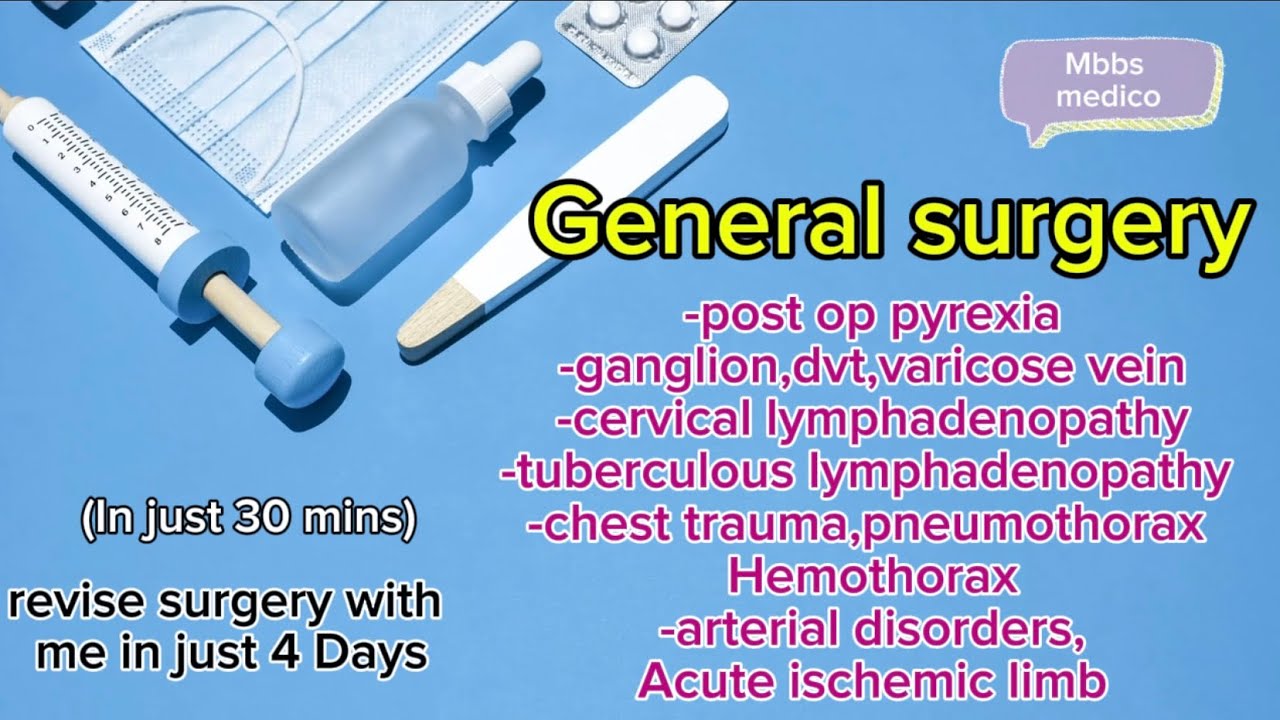
In this detailed video, we explore a range of *postoperative complications* that can occur after surgery. These conditions can be critical and require prompt diagnosis and treatment to ensure a patient's recovery is as smooth and safe as possible. Here's a breakdown of the topics covered:
1: Postoperative Pyrexia (Fever)
Postoperative pyrexia refers to an elevated body temperature (fever) following surgery. While it is a common occurrence, it can be caused by various factors such as infection, inflammation, or even surgical trauma.
Causes & Risk Factors: We explore different causes like surgical site infections, atelectasis (lung collapse), deep vein thrombosis (DVT), and drug reactions.
Management: Identifying and addressing the underlying cause of the fever is key to treatment. We discuss how temperature monitoring, blood tests, and imaging are used to pinpoint the source.
2: Ganglion Cysts
Ganglion cysts are non-cancerous, fluid-filled lumps that commonly form near joints or tendons, often around the wrist or hand. They can sometimes develop after surgery if a joint is involved.
Symptoms & Diagnosis: Learn how ganglion cysts present, how they are diagnosed through physical examination or ultrasound, and when surgery may be required to remove them if they become symptomatic or problematic.
Treatment Options: Conservative treatments (e.g., aspiration) and surgical removal of the cyst if necessary.
3: Deep Vein Thrombosis (DVT)
DVT refers to the formation of blood clots in the deep veins, typically in the legs, after surgery. It’s a serious complication that can lead to a pulmonary embolism if the clot dislodges and travels to the lungs.
Risk Factors & Prevention: We discuss the factors that increase the risk of DVT, including immobility, age, and type of surgery. Preventive measures like anticoagulants, compression stockings, and early mobilization post-surgery are crucial in reducing the risk.
Signs & Symptoms: Pain, swelling, and redness in the affected limb are common symptoms, and early diagnosis with ultrasound imaging is critical.
4: Varicose Veins
Varicose veins are swollen, twisted veins that typically appear on the legs. Surgery, especially involving the pelvic or lower extremities, can exacerbate or contribute to the development of varicose veins.
Risk Factors & Prevention: Learn about risk factors such as obesity, prolonged standing, and a family history of varicose veins. Postoperative management involves lifestyle changes, compression therapy, or even surgery for severe cases.
5: Lymphadenopathy (Swollen Lymph Nodes)
Lymphadenopathy refers to the swelling of lymph nodes, often a sign of infection or an inflammatory response. It can be a common postoperative finding, particularly if the surgery involved infection or injury to nearby tissues.
Causes & Diagnosis: Swelling can be localized or generalized, and we discuss potential causes, including post-surgical infections, cancers, or systemic conditions. Biopsy or imaging may be needed to determine the cause.
Treatment: Treatment depends on the underlying cause, and managing infections or inflammation is key to resolution.
6: Acute Ischemic Limb
Acute ischemic limb is a critical condition where the blood supply to a limb is suddenly reduced or blocked, resulting in tissue damage or even necrosis. This can happen after surgery if there is a clot or if blood vessels are damaged during the procedure.
Signs & Symptoms: Pain, pallor (paleness), pulselessness, and loss of function are the hallmark signs. Immediate intervention is necessary to restore blood flow and prevent permanent damage.
Management: Surgical or endovascular intervention may be required to remove a clot or repair damaged blood vessels.
7: Cardiac Tamponade
Cardiac tamponade is a life-threatening condition where fluid accumulates in the pericardial sac around the heart, putting pressure on the heart and impairing its ability to pump blood effectively. This can occur as a postoperative complication, particularly after heart surgery or trauma.
Signs & Symptoms: Shortness of breath, low blood pressure, and swelling are common signs. Diagnostic tools like echocardiography are essential for confirming the diagnosis.
Management: Treatment often involves draining the excess fluid using pericardiocentesis (a needle procedure) or surgery to relieve pressure on the heart.
If you’re a medical student, healthcare professional, or simply interested in learning more about postoperative care and complications, this video will give you essential insights into these serious conditions.
@easyymedicine
#mbbsmedico
#PostoperativeComplications #Surgery #DVT #GanglionCyst #Pyrexia #VaricoseVeins #Lymphadenopathy #AcuteIschemicLimb #CardiacTamponade #MedicalEducation #Healthcare

Информация по комментариям в разработке