The Komi people, an ethnic group native to the northeastern European part of Russia, have a rich heritage that reflects a blend of European and Siberian heritage. Their ancestry mainly derives from the Corded Ware culture and Bronze age siberians.
One of the most significant historical entities associated with the Komi people was the Great Perm, an early medieval polity located in the northern Ural region. Great Perm emerged as a center of trade and culture, facilitated by its strategic location near the Kama River. The Komi of this era engaged in fur trade, hunting, and fishing, and their region became a vital link between the northern Uralic peoples and the broader medieval trade networks of Europe and Asia.
The city of Cherdyn, which was the capital of Great Perm, and a central trading hub for the Komi people, was founded sometime during the medieval period, as evidenced by archeology, although its earliest mention in Vychegda-Vym chronicles came in 1451. The city is still inhabited to this day.
The Komi also played a significant role in Bjarmia, an ancient region mentioned in Norse sagas as a land of wealth and resources located near the White Sea. While the exact identity of Bjarmians remains debated, many scholars associate them with Finno-Ugric groups like the Komi. Their trading connections with Norse and Russian merchants left a lasting impression on the cultural and economic landscape of the medieval North.
The rise of the Russian principalities in the medieval period led to increasing contact with the Komi territories. One prominent Russian priest, named Stefan Permskiy, made colossal efforts to Christianize the Komi. A Komi warrior named Pam challenged Stefan to walk through a burning house and then dip into the icy waters, and Stefan did. Stefan’s missionary travels touched the inhabitants of Pyras, which is now called Kotlas, Yemdym, which is now called Ust’-Vym, and the lower basin of the Vychegda river, which is now the South of Komi republic.
The region of Great Perm came under the influence of the Grand Duchy of Moscow in the late 14th and early 15th centuries, which coincides with the first mention of Cherdyn in Russian chronicles.
In the late 15th century, under Ivan III (Ivan the Great), the Muscovite forces fully incorporated Great Perm into the growing Russian state. This conquest marked the end of Komi political independence but also connected them to the larger Russian cultural and administrative systems.
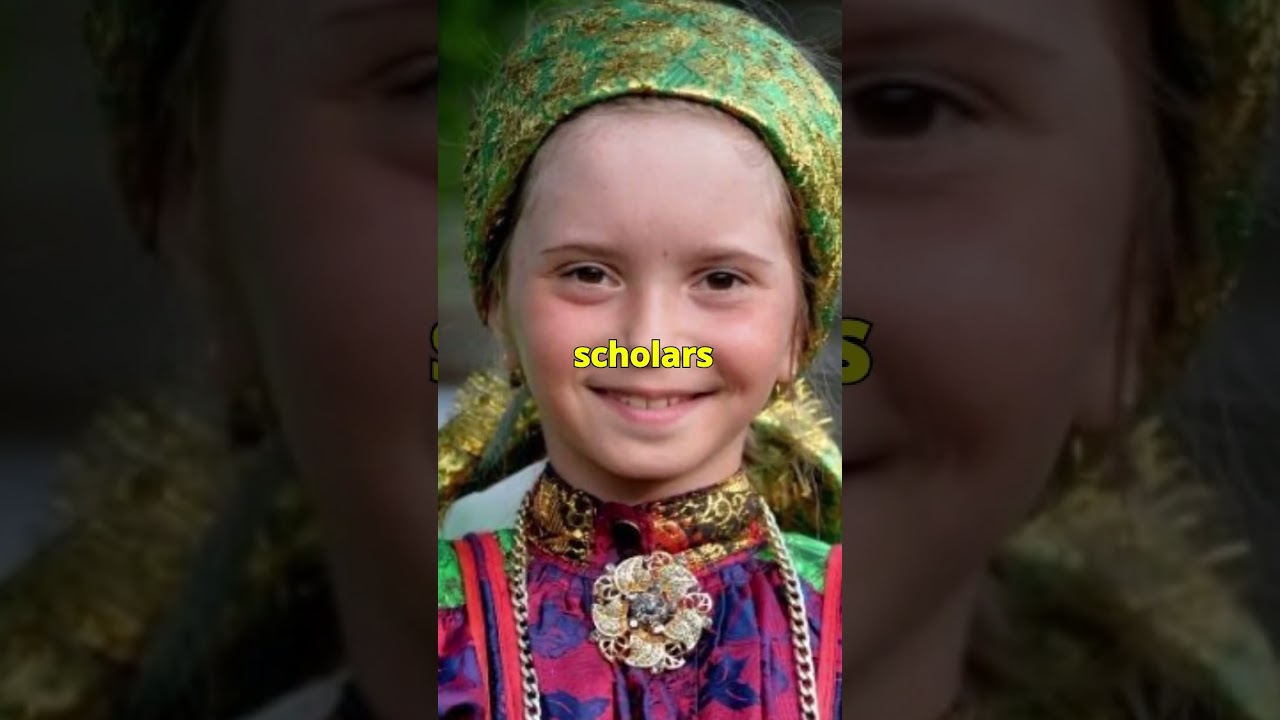
Despite centuries of Russian influence and policies of Russification, the Komi have preserved their language, which belongs to the Uralic language family. Today, the Komi people are concentrated in the Komi Republic, Khanty-Mansi autonomous region, and Perm Krai. Efforts to preserve Komi cultural heritage continue, with a focus on promoting their language, folk traditions, and historical legacy.

Информация по комментариям в разработке