Payam* left Iran at the age of 17, escaping an increasingly repressive system in search of freedom and a new life in Australia. Now living in Brisbane, the Iranian Australian has remained closely connected to relatives back home, watching from afar as state violence has intensified.
Last week, during a brief easing of Iran’s communication blackout, Payam received devastating news from his cousin: a family member, Eli*, had been killed during the wave of anti-government protests that have swept the country in recent weeks.
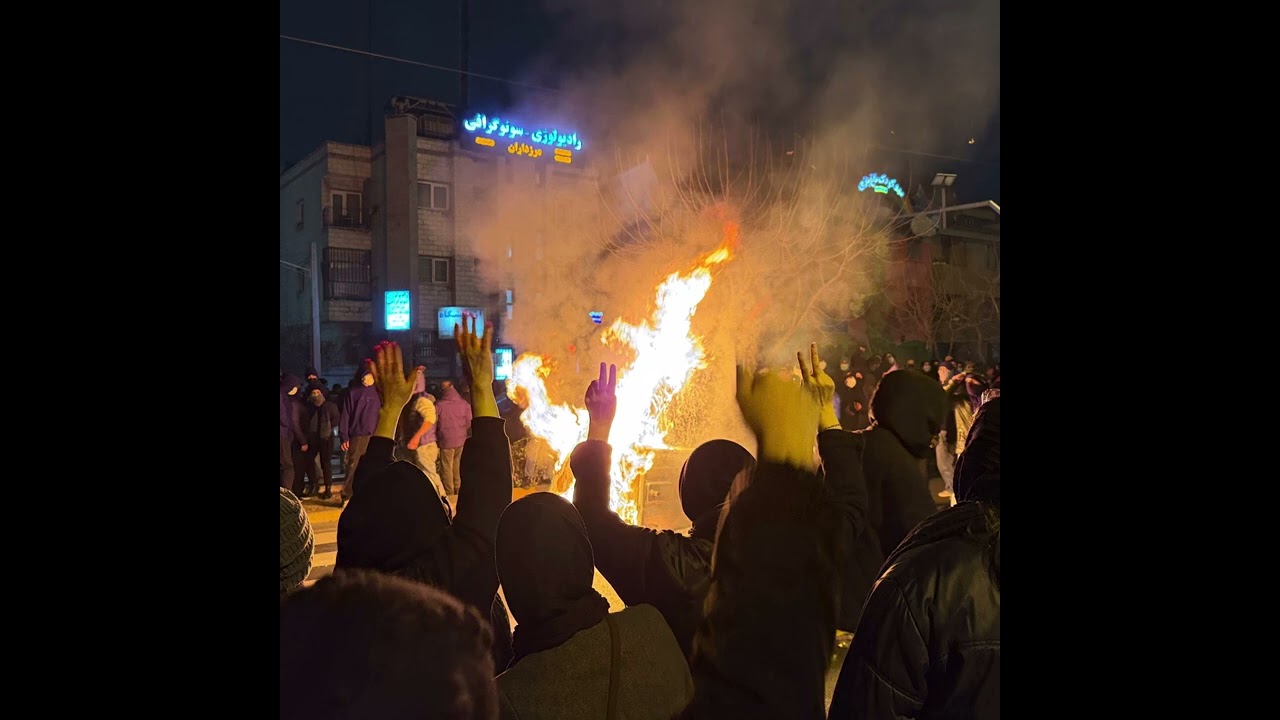
According to relatives, Eli was standing beside her older sister at a protest in Karaj, about 44km from Tehran, when she was shot and killed on 8 January. She died instantly, Payam said, while her sister remains deeply traumatised.
Another family member was tasked with identifying Eli’s body at a forensic centre. Payam said she was forced to open hundreds of body bags before finally finding her.
“She found her after 700 bodies,” he said, recounting what his family told him. “She was exhausted, crying constantly, and surrounded by blood. She had to look at every single face.”
‘Only two options’
Payam is one of many Iranian Australians grieving loved ones killed during the regime’s violent crackdown on protests. Others remain in agonising uncertainty, unable to contact relatives more than 11 days after authorities imposed a nationwide communications blackout.
Footage shared online during the unrest showed distraught families searching for missing relatives among rows of body bags at Tehran’s Kahrizak forensic medicine centre. On Thursday, Iran’s supreme leader, Ayatollah Ali Khamenei, acknowledged for the first time that thousands had been killed during the protests.
Payam said authorities gave Eli’s family just two choices: pay the equivalent of about $9,000 to retrieve her body, or sign a document stating she was a supporter of the regime who had been killed by civilians. Signing the document would avoid charges.
“Those were the only options,” he said. The family borrowed money to secure her body.
“It’s hard to describe the anger we feel,” Payam said. “The way the regime treats people only deepens the hatred and strengthens our determination to help from outside Iran.”
He now fears for the safety of relatives still living there, including his sisters, who have taken part in recent demonstrations.
“We can’t sleep properly. We wake up in the night and check the news constantly,” he said.
What began as protests over economic hardship and government mismanagement has grown into a broader movement against Iran’s leadership, with demonstrators chanting slogans calling for the fall of the supreme leader.
“Young people want freedom and a decent life,” Payam said. “They don’t want to wake up every day to see prices double overnight. Across Iran, people share the same hope: the chance to live better lives.”
#IranProtests
#JusticeForIran
#HumanRights
#IranCrisis
#StopStateViolence
#FreedomForIran
#VoicesFromIran
#GlobalHumanRights
#ProtestCrackdown
#IranUnrest
#StandWithIran
#EndOppression
#CivilianLivesMatter
#TruthFromIran

Информация по комментариям в разработке