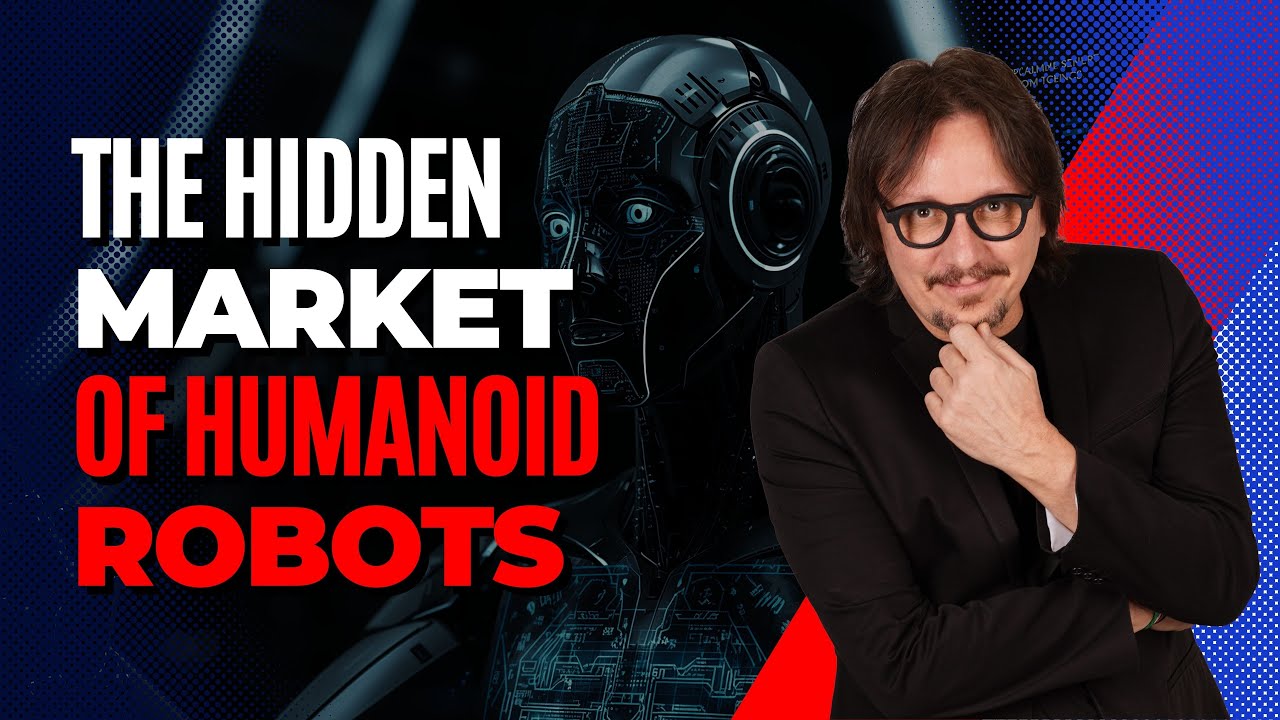
The hidden market of humanoid robots
The market for humanoid robots already exists, it moves billions, and almost no one really talks about it. Stay with me until the end and I will show you where these robots work, who is investing in them, and why this matters in Europe and here in the United States.
In China today there are more than 150 companies building humanoid robots: machines about as tall as a person, with arms, legs, and sensors, designed to move in environments built for human beings. These are not just trade show prototypes. The government has included them in official industrial plans and sees them as part of the next wave of “embodied” artificial intelligence.
One of the most concrete examples is UBTech with its Walker S2 robot. In 2025 it secured orders worth more than 800 million yuan, around 110 million dollars. Some contracts involve data centers: robots that walk through corridors between servers, open doors, read indicators, perform repetitive safety checks. Where technicians used to be physically present, “artificial bodies” guided by software are starting to arrive.
Around these cases there are very clear numbers. In just a few years China has gone from fewer than 100 industrial robots for every 10,000 workers to about 470. It is now among the countries with the highest number of robots per worker in the world. Humanoid robots are the next step. Instead of rebuilding factories from scratch, companies introduce machines that can use stairs, corridors, and workstations designed for people.
Here in the United States the race is just as strong. Tesla is testing its humanoid robot Optimus in factories for simple, repetitive tasks. Elon Musk has said that in the future a very large share of the company’s value could come from these robots, with the idea of reaching hundreds of thousands of units per year.
In California, the startup Figure has raised more than 1 billion dollars in funding, with a valuation of around 39 billion. Its goal is to develop “general purpose” humanoid robots for factories, logistics, and, over time, also for homes. In Austin, Texas, Apptronik is working on the Apollo robot, born in a university lab and now tested on Mercedes production lines.
How much is all this worth? Some analyses talk about a market that could go from about 3 billion dollars in 2025 to more than 15 billion in 2030. Investment banks such as Morgan Stanley go as far as to imagine, by 2050, almost 1 billion humanoid robots in operation and an ecosystem worth trillions of dollars per year in machines, software, and services.
For now, they work in factories, warehouses, and data centers, far from everyday life and the public eye.
#ArtificialDecisions #MCC #AD #AI
✅ This video is brought to you by: https://www.ethicsprofile.ai
👉 Important note: We’re planning the upcoming months.
If you’d like to request my presence as a speaker at your event, please contact my team at: [email protected]

Информация по комментариям в разработке