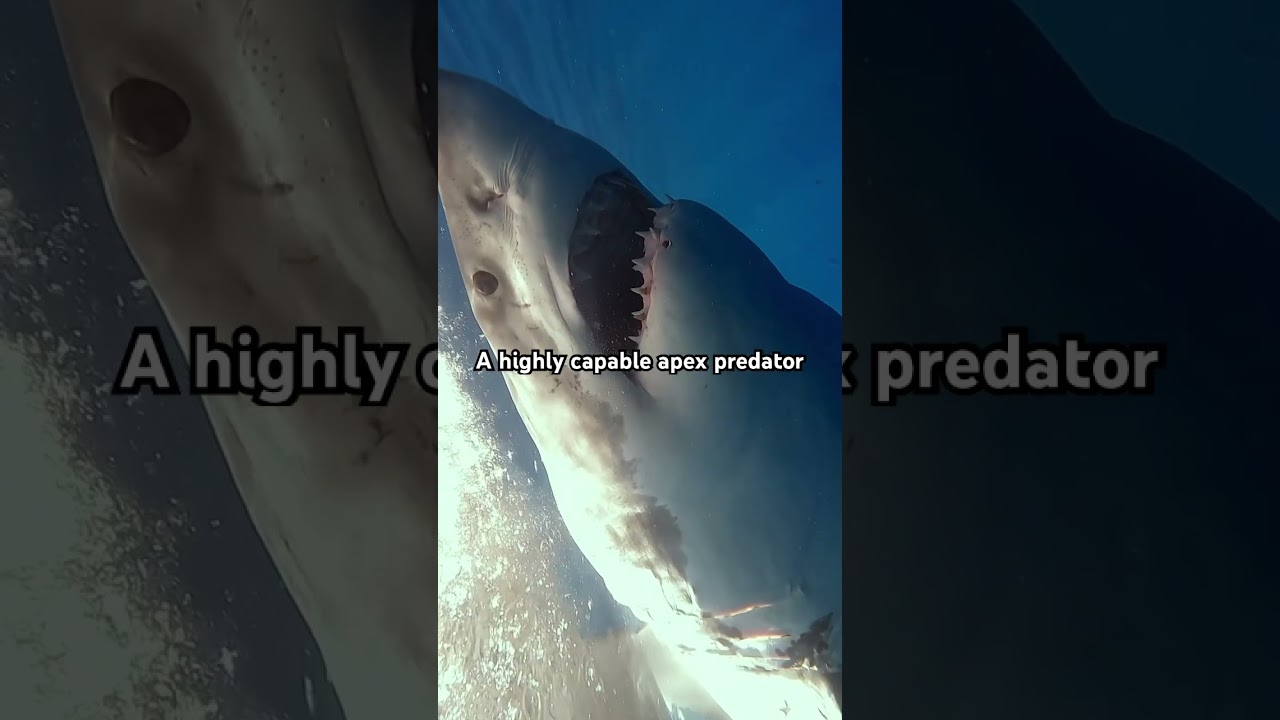
The sheer power and precision of a great white shark's mouth is nothing short of awe-inspiring. While these apex predators have earned a reputation as fearsome hunters, their anatomy and behavior reveal a more complex and fascinating story. Let's dive deeper into the features of their most iconic attribute: their mouths.
The Science Behind Their Jaws
A great white shark’s jaw is designed for maximum efficiency. It’s made of cartilage, which is both lightweight and incredibly durable, allowing them to open their mouths wide without compromising speed or agility.
Each jaw is lined with up to 300 serrated teeth arranged in rows, with new teeth continuously replacing old or damaged ones—a process that ensures they’re always ready to hunt. These teeth aren’t just for cutting through prey; their triangular shape and serrated edges are designed to tear through flesh, making them highly efficient hunters.
Bite Force: A Peek into Power
Did you know that great white sharks can exert a bite force of over 4,000 pounds per square inch (psi)? That’s enough to crush bone or tear through the tough skin of marine mammals like seals and sea lions. But despite their powerful bites, they’re not indiscriminate attackers. They often use test bites to explore their surroundings or determine if something is food.
This behavior explains why shark bites on humans are often non-fatal—humans aren’t on their menu. Sharks tend to release people after realizing we’re not the fatty prey they prefer.
Respecting Their Space
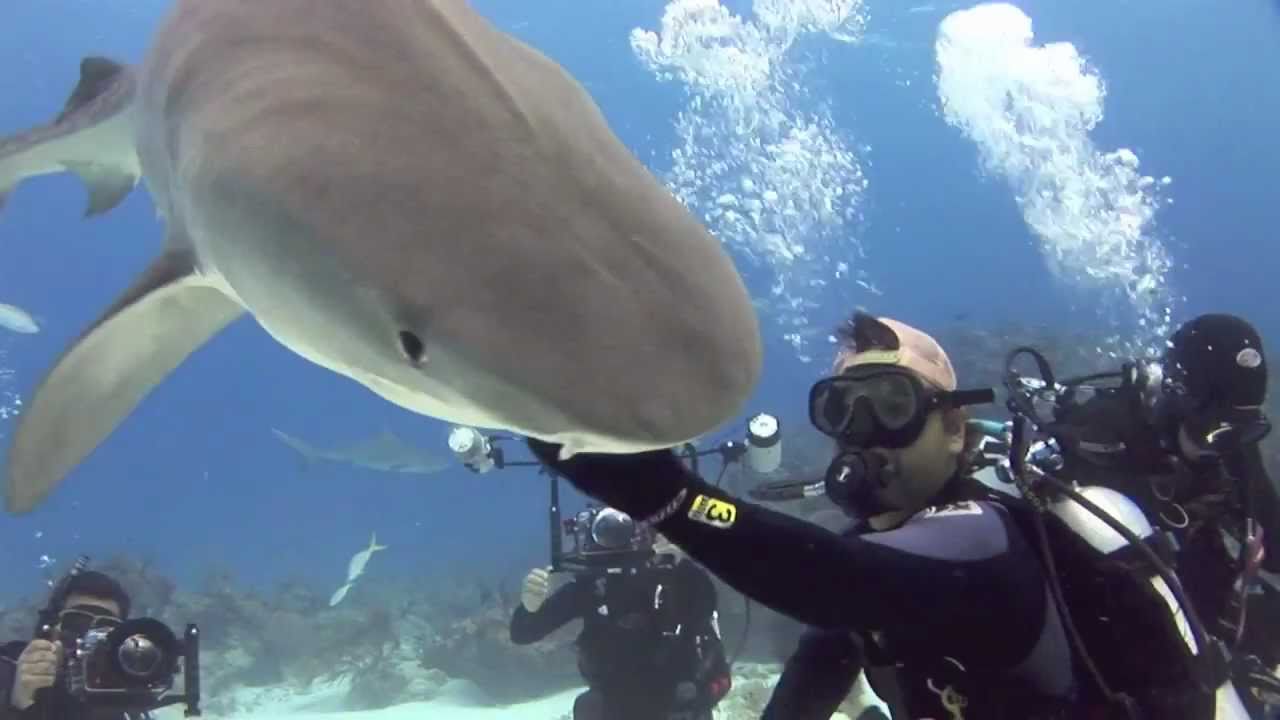
When encountering a great white in the wild, maintaining a safe distance is key. They rely heavily on their mouths for exploration, so any sudden movements or disturbances can provoke curiosity or defensive behavior.
If you’re fortunate enough to observe these majestic predators, remember:
Stay calm and aware. Sudden movements can be perceived as threats.
Avoid shiny objects. Great whites are attracted to the glint of metal, as it resembles fish scales.
Understand body language. An arched back, lowered pectoral fins, or rapid tail movements can indicate a shark is feeling stressed or threatened.
The Bigger Picture
A great white’s mouth is more than a tool for hunting—it’s a symbol of the intricate balance of the marine ecosystem. As apex predators, great whites help regulate populations of other marine life, preventing overgrazing on crucial habitats like seagrass beds and coral reefs.
But these vital creatures face threats like overfishing, bycatch, and habitat destruction. It’s up to us to protect them by advocating for shark conservation, supporting sustainable fishing practices, and spreading awareness about their importance to ocean health.
Changing the Narrative
Instead of fearing these incredible animals, we should strive to understand and respect them. Great whites aren’t mindless killers; they’re essential to our oceans and deserve our protection.
Next time you see a great white’s jaw up close—whether in photos, videos, or, if you’re lucky, in the water—take a moment to appreciate the precision, power, and purpose behind their design. Sharks aren’t villains of the deep; they’re guardians of it.
#greatwhite, #sharks, #sharkeducation, #marinelife, #sharkfacts, #sharkconservation, #apexpredator, #respectsharks, #savetheocean, #underwaterworld, #marinebiology, #protectsharks, #sharkweek, #oceanconservation, #sharkdiving, #greatwhiteshark, #hawaiisharks, #marinelifehawaii, #hawaiidiving, #oceanadventureshawaii, #sharktours, #hawaiisharktours, #scubadivinghawaii, #snorkelinghawaii, #sharkencounters, #oneoceandiving, #divewithsharks, #marinelifeeducation, #wildlifeconservation, #hawaiioceanlife, #hawaiimarinelife, #sharklovers, #hawaiioceanadventures, #scubasharkdiving, #sharkwatchinghawaii, #oceanexplorershawaii, #sharkadvocacy, #endsharkfinning, #hawaiiwildlife, #hawaiidivingexperiences, #Avi


![[VN] G2 vs. PRX — VALORANT Masters Santiago — Vòng Swiss — Ngày 2](https://i.ytimg.com/vi/PSc147XqmoU/maxresdefault.jpg)












Информация по комментариям в разработке