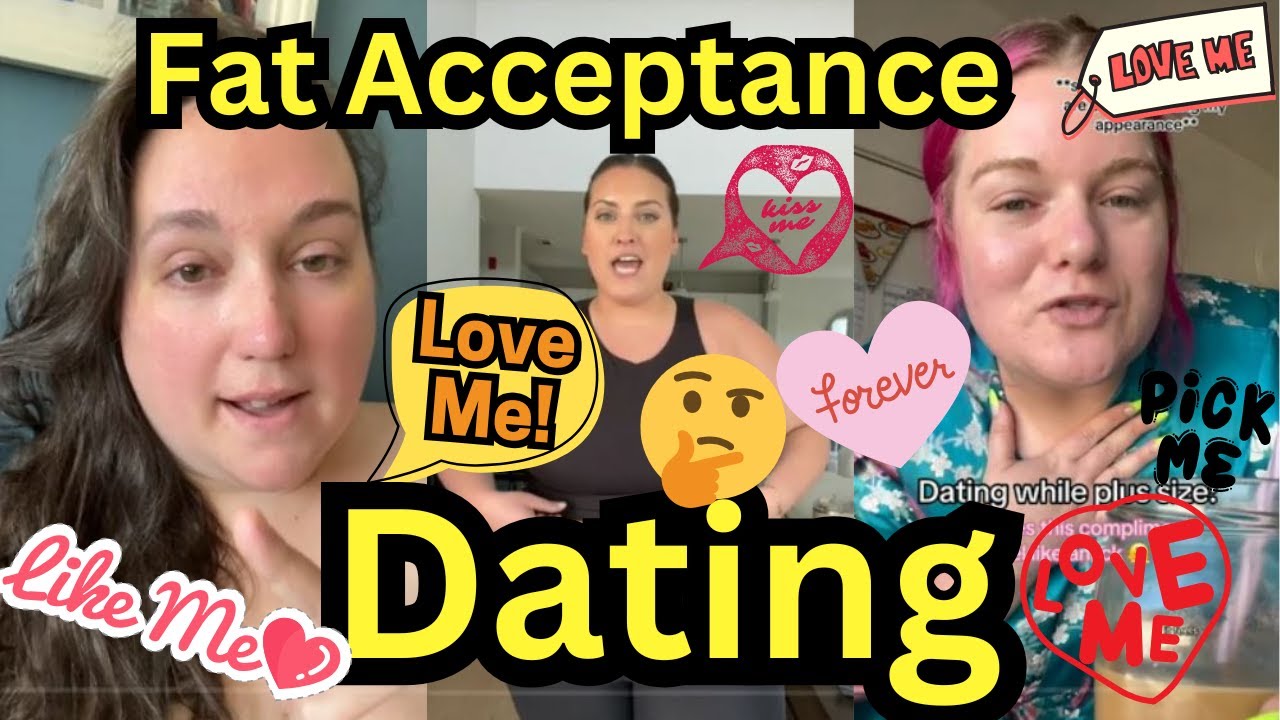
In this video, we take a critical look at the growing fat acceptance movement through the lens of real dating stories shared by plus-sized individuals. While these stories highlight the frustrations faced in dating, from rejection and self-consciousness to reactions to certain "compliments," this video questions the broader narrative promoted by fat acceptance advocates. We’ll explore whether emphasizing self-worth and attractiveness at any size, as the movement suggests, may unintentionally discourage people from prioritizing their health or acknowledging the real challenges that come with obesity.
Through a critique of personal experiences, we examine how fat acceptance may sometimes frame negative dating experiences in a way that shifts responsibility onto others or society, rather than encouraging personal growth or change. Is it realistic to expect people to overlook physical attraction, or does this perspective ignore genuine concerns around health and lifestyle?
Join us as we analyze the impact of fat acceptance on dating, self-image, and societal standards of beauty, questioning if this movement is truly beneficial—or if it’s contributing to misconceptions around fitness, attraction, and personal responsibility.
00:00 a Plus Size fat activist shares her disappointment after dating a man who, despite their allegedly great connection and common interests, revealed he struggled to find her attractive because of her body size (she is fat). She reflects on the unique challenges of dating as a plus-sized person and encourages others facing similar experiences, expressing hope for a future free of fat-phobia.
04:50 Fat liberation advocate reflects on her first dating experience as a plus-sized teen on a dating app, recalling how a boy she planned to meet at a concert blocked her upon seeing her in person. This painful encounter marked the beginning of her struggles with dating as a fat person.
09:02 This fat activist shares her discomfort with being called "cute" in dating situations, especially by men, and wonders if other plus-sized women feel similarly. She reflects on how past struggles with body image and dating might make her more sensitive to certain compliments and asks if others experience similar reactions or have words that don’t feel genuine to them.
In an era of "woke" people, wokies and wokeness, where body positivity and self-acceptance are widely promoted, fat acceptance has encouraged a growing number of people to embrace their bodies without necessarily addressing the health risks associated with obesity. While self-love is undeniably important, we question whether this movement’s “health at every size” mantra could sometimes discourage individuals from making choices that enhance their overall well-being. Obesity can lead to numerous health complications, including diabetes, heart disease, and joint issues, and yet, acknowledging these facts is often labeled as fat-phobia within these circles. Is this stigma against discussing health in relation to body size healthy, or does it create a culture where personal accountability is downplayed in favor of external validation?
While it’s true that some societal beauty standards are unrealistic and contribute to unhealthy dieting habits, dismissing all aspects of weight management as toxic can undermine efforts toward genuine health improvement. We dive into the possible effects of rejecting weight loss goals, exercise, and balanced eating for the sake of avoiding fat-phobia. Should we be viewing all lifestyle changes skeptically, or is there room for health-conscious choices that do not equate to self-hate?
Furthermore, as we discuss dating within the context of fat acceptance, we look at how physical attraction is framed. Is it fair to label someone’s lack of attraction as fat-phobic, or does this assumption overlook the personal preferences that everyone is entitled to have? In many fat acceptance discussions, dating rejections are framed as a societal bias rather than a natural part of attraction, creating a culture where disappointment is externalized rather than used as a tool for personal growth or introspection. Is it empowering to assume others should automatically look past weight as a factor in attraction, or is this an unrealistic standard that could lead to more frustration in the dating world?
Don’t forget to like, comment, and subscribe if you are interested in more content on body positivity, fat acceptance, social dynamics, and modern thinking!

Информация по комментариям в разработке