BUNKER HILL, Ind. (WPTA21) - American Huey 369 has made it a mission to restore and preserve the history and significance of the iconic Vietnam War helicopter. 18 years ago, brothers John and Alan Walker began the organization — which largely focused around a single chopper at the time: Huey 369. For a half-million dollars, they were able to get the helicopter, originally bought by the U.S. Army in 1971, up and running.
Two additional Hueys were bought, repaired, and eventually stored in Hangar 11 at the Grissom Aeroplex near Peru. The Walker brothers would operate a museum out of there for the next several years — but plans for a more permanent home were already in the works.
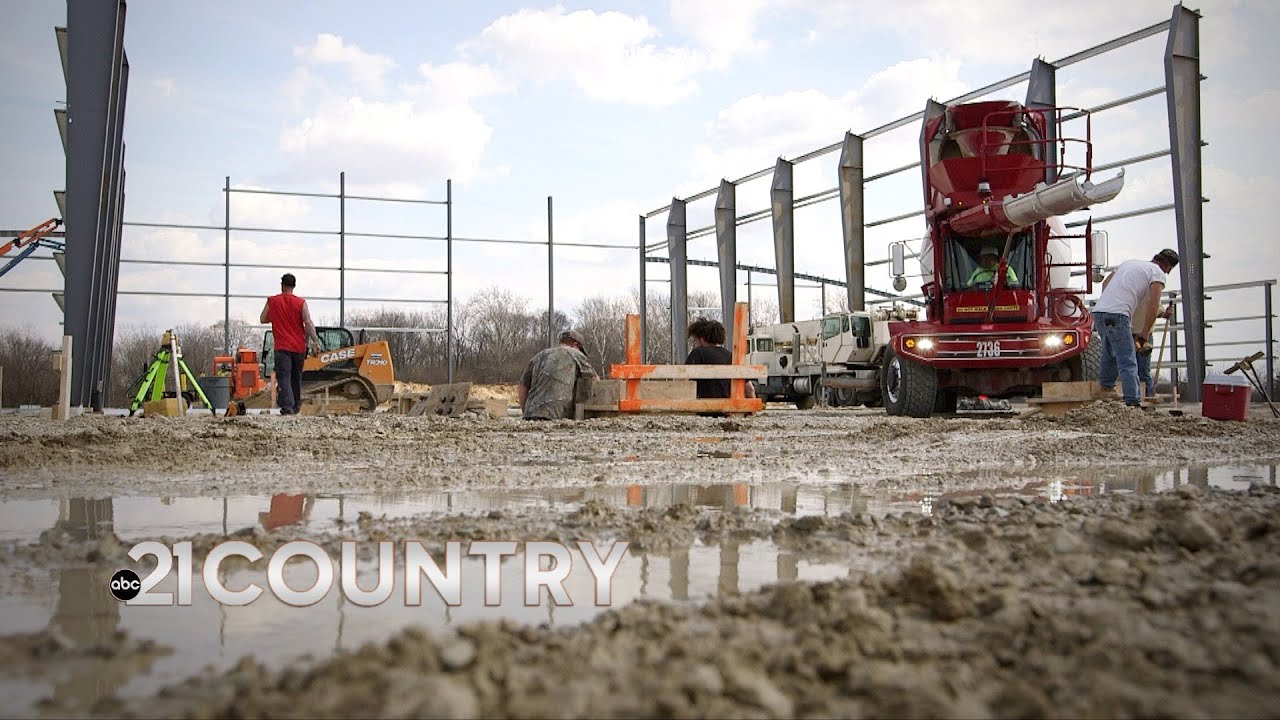
In March, construction crews broke ground, and rapidly began to erect the frame of the National American Huey History Museum. “The new Hueys that are built still today by Bell Helicopter for the Marine Corp and friendly overseas militaries are in excess $30 million dollars a pop,” Walker told us. But for those who served in the Vietnam War, the helicopter is an iconic symbol. “It was their machine. It was their Jeep, you know, like the Jeep was to the World War II veterans. It got their wounded to back the hospital,” he explained. “The Huey was their lifeline, it was their sound of hope. When they heard it coming, it was either going to get them out of a bad day, or bring them beans, bullets, or Band-Aids.”
“But it was a love hate situation, because it would take them into where they were going to be left, in someone else’s backyard: the enemy,” Walker continued. He hopes the 34,000 sq. ft. museum will be a place of education and healing. The facility will show the history of over 50 different models of the Huey, from the first one built in 1956. It will be home to displays and artifacts from the Vietnam War, as well.
“It will also have living history: aircraft that fly,” the former U.S. Marine Corp helicopter pilot told us. “All these years later, something they never talked about to their family, neighbors, their friends, their sons, daughters and wives — but when they get around a Huey and other veterans they begin to open up, and that’s called healing.”
The new museum comes with a four million dollar price tag. But it is completed funded by member support, monetary donations and volunteer hours. Those who donate over $1,000 will have their name displayed on a plaque in the building’s entrance. American Huey 369 still needs $1.5 million dollars to complete the project, and have healthy savings to keep it growing and maintained in the future. Those looking to support can also buy/donate bricks which can have names of supporters, veterans, or fallen soldiers engraved in them.
“Nobody can do it themselves. I haven’t done it myself,” Walker shared. “Its been done by over 200 core volunteers, and nearly 23,000 members — some of which are founders, some of which have bought bricks, and some of which are great business benefactors — that have given their donations in-kind, that have made the last 18 years possible.”
American Huey 369 rarely stays put in Peru. Their outreach usually brings them across the U.S, offering opportunities to see the restored aircrafts up close, even flights for members. Two helicopters were in Fort Wayne the weekend the replica Vietnam Veterans Memorial wall at the Veterans National Memorial Shrine and Museum last year.
“We have four aircraft restored back to flight, fifteen aircraft total. We’ve started the building, but going forward history will always be important,” Walker said. “This is a member organization — members own everything.”
The temporary museum opens mid-April. From that location, you can view construction of the new site across U.S. 31. There is no estimated date of completion, but work continues every day. “Once we bought the first aircraft, with really no intentions of it flying because of the cost,” Walker explained, “the mission statement became one of preservation because of these icons, the Huey helicopter, saved so many lives in Vietnam.”

Информация по комментариям в разработке