(27 Jan 2026)
RESTRICTION SUMMARY:
ASSOCIATED PRESS
Honda, Colombia - 26 January, 2026
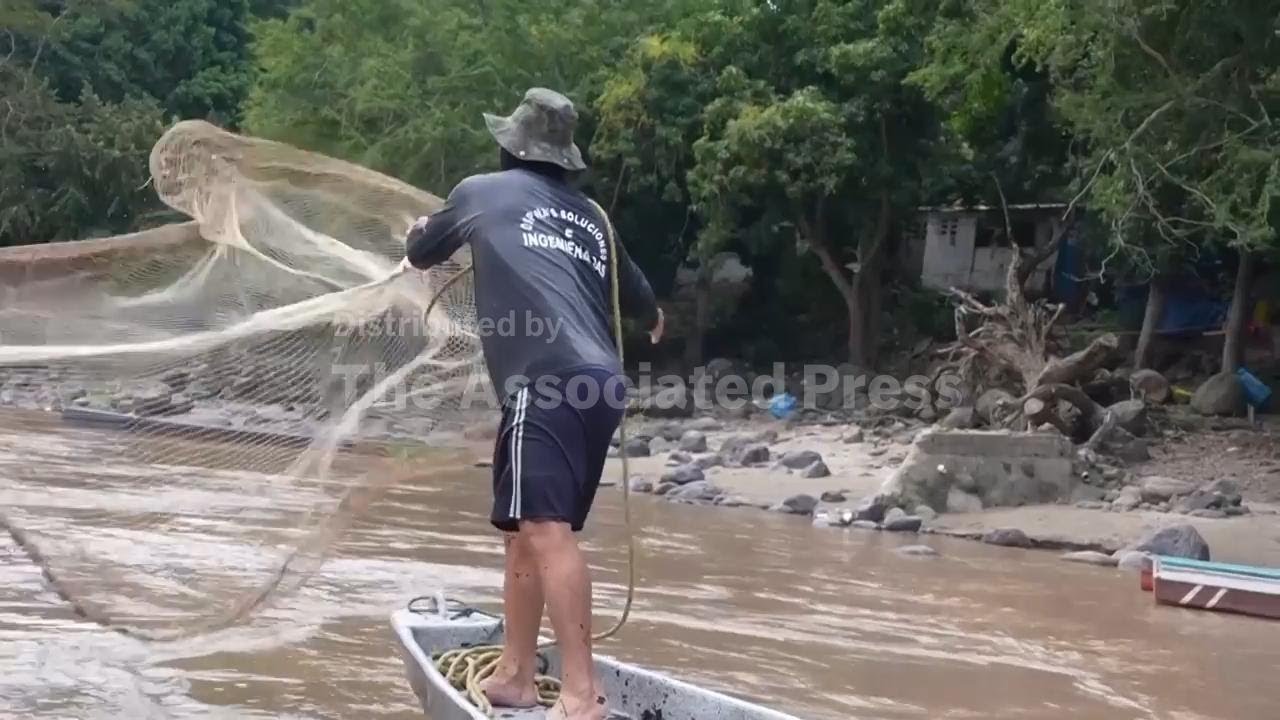
1. Various of artisanal fishermen fishing on the banks of the Magdalena River in Honda with artisanal nets
2. SOUNDBITE (Spanish) Jeison Pescador, artisanal fisherman:
“Last year was very good, and this year is shaping up to be the same. But as you can see, the fish are very small because of the traps (fish traps).”
3. Various of fisherman Victor Segura fishing on the Magdalena River
4. SOUNDBITE (Spanish) Victor Segura, artisanal fisherman:
“At this time of year, we earn good money, we save, we pay off our debts, and we make the most of the season, if you know what I mean. We also work in construction during the rest of the year, so we end up with debts, and at this time of year, we dedicate ourselves to this to get out of debt and be free.”
5. Fishermen fishing from a canoe
6. Fisherwoman casting a net into the Magdalena River to fish
7. SOUNDBITE (Spanish) Luis Salinas, member of a fishermen's cooperative:
“Above all what affects us is the hydroelectric plants and dams, because they have taken away the fish migration cycle. The fish start in the wetlands (aquatic ecosystems) and have to reach a certain place, but the hydroelectric plants and dams have cut off that function, that lifeline, for the fish.”
7. Wide of artisanal fishermen fishing in the waters of the Magdalena River in Honda
8. Artisanal fishermen arriving at the dock in Rio Magdalena with their catch
9. Various of people hired to clean the fish that were caught in the Rio Magdalena
STORYLINE:
Fishermen cast their nets into the Magdalena River in Colombia hoping to catch as much fish as possible during an annual phenomenon of fish swimming upstream to spawn.
For artisan fisherman Victor Segura, it could mean being able to pay off his debts and finish building his own house.
His expectation, like that of hundreds of other fishermen, is to earn his best annual income during “la subienda,” as the migration of freshwater fish to reproduce is known in Colombia.
The fish swim against the current of the Magdalena, a river approximately 1,540 kilometers (957 miles) long, in Honda, a fishing village located in the center of the country.
The natural phenomenon occurs every year—typically between January and February—and has become, over the decades, a tradition that shapes its cultural and economic dynamics.
“Last year was very good, and this year is shaping up to be the same," says Jeison Pescador, another artisanal fisherman.
Fishermen say that on a “good day” during the season they can earn up to $77, meaning that in a week's work they could earn up to $550, which is the same that a minimum wage worker can earn in a month.
Luis Salinas, a representative of the United Fishermen's Association of Honda, says “la subienda” is the fundamental basis of the municipality, and without it, there is no economy.
Fishermen have noticed that over the years the dynamics of the river and fish migration are changing.
“Above all what affects us is the hydroelectric plants and dams, because they have taken away the fish migration cycle. The fish start in the wetlands (aquatic ecosystems) and have to reach a certain place, but the hydroelectric plants and dams have cut off that function, that lifeline, for the fish,” says Salinas.
In Honda, fishermen defend their artisanal fishing practices, but some complain that neighboring towns use prohibited techniques such as trawl nets, which catch everything in their path without distinction.
AP Video by Marko Alvarez.
Find out more about AP Archive: http://www.aparchive.com/HowWeWork
Twitter: / ap_archive
Facebook: / aparchives
Instagram: / apnews
You can license this story through AP Archive: http://www.aparchive.com/metadata/you...

Информация по комментариям в разработке