Why do Influencer Businesses always fail, Explained
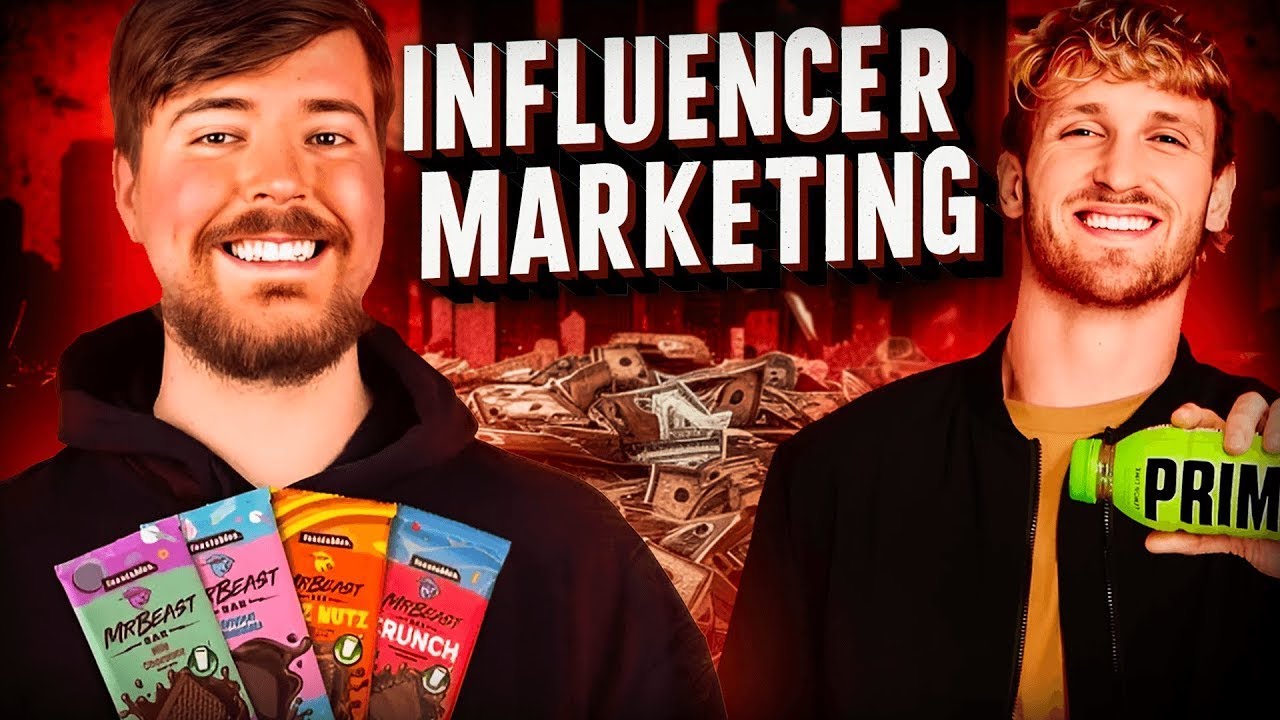
Influencer businesses often face a high failure rate for several reasons, despite the initial buzz and popularity they may generate. While influencers possess a strong personal brand and dedicated following, the transition from content creation to running a business involves challenges that many are not adequately prepared to handle. Here are the primary reasons why influencer businesses tend to fail:
Firstly, a lack of business acumen is a significant factor. Many influencers are skilled in creating engaging content and building a personal brand, but running a business requires a different set of skills, including financial management, operations, marketing, and strategic planning. Without proper knowledge and experience in these areas, influencers may struggle to manage their business effectively, leading to poor decision-making and operational inefficiencies.
Secondly, over-reliance on personal brand can be problematic. While an influencer's brand can attract initial customers, sustaining a business requires a solid product or service that delivers consistent value. If the business is too closely tied to the influencer's persona and fails to establish its own identity and value proposition, it can falter once the initial novelty wears off. Additionally, any negative publicity or personal issues affecting the influencer can directly impact the business's reputation and performance.
Lastly, scalability is a common issue. Many influencer businesses start as small, passion-driven projects that may not be designed to scale effectively. As demand grows, these businesses often face challenges in scaling production, maintaining quality, and managing increased operational complexities. Without a scalable business model and adequate infrastructure, growth can become unsustainable, leading to operational bottlenecks and customer dissatisfaction.
In summary, the failure of influencer businesses can often be attributed to a lack of business expertise, over-reliance on personal branding, and challenges in scalability. While influencers excel at engaging audiences, transitioning to a successful business owner requires a diverse skill set and a strategic approach to ensure long-term viability and growth.
Influencer Businesses, Business Failure, Influencer Marketing, Social Media Influence, Market Saturation, Audience Engagement, Business Strategy, Authenticity Issues, Brand Partnerships, Business Models, Influencer Fatigue, Market Trends, Financial Management, Product Quality, Audience Trust, Business Sustainability, Niche Market, Competition, Content Overload, Brand Identity, Marketing Effectiveness, Revenue Streams, Long-Term Viability, Influencer Market Challenges, Consumer Behavior, Digital Marketing, Business Planning, Influencer Economy, Market Dynamics, Business Innovation.
Hi Viewers today we will discuss about
Disclaimer: This channel DOES NOT promotes promotes or encourage any illegal activities and all content provided by this channel is meant for EDUCATIONAL PURPOSE only.

Информация по комментариям в разработке