Amazon Manu Tour Trips: Manú National Park – Manu Jungle Trips - A Hidden Biodiversity Paradise in Peru
Manú National Park: One of the Most Pristine Ecosystems on Earth
Manú National Park, located in the remote southeastern region of Peru, is one of the most biologically diverse and well-preserved protected areas on the planet. Covering more than 1.7 million hectares, this extraordinary park stretches from the lowland Amazon rainforest to the high peaks of the Andes, creating a unique ecological corridor found in very few places worldwide.
Designated a UNESCO World Heritage Site, Manú National Park offers an unparalleled experience for wildlife enthusiasts, adventure travelers, birdwatchers, and eco-conscious explorers seeking a true wilderness encounter.
Why Visit Manú National Park?
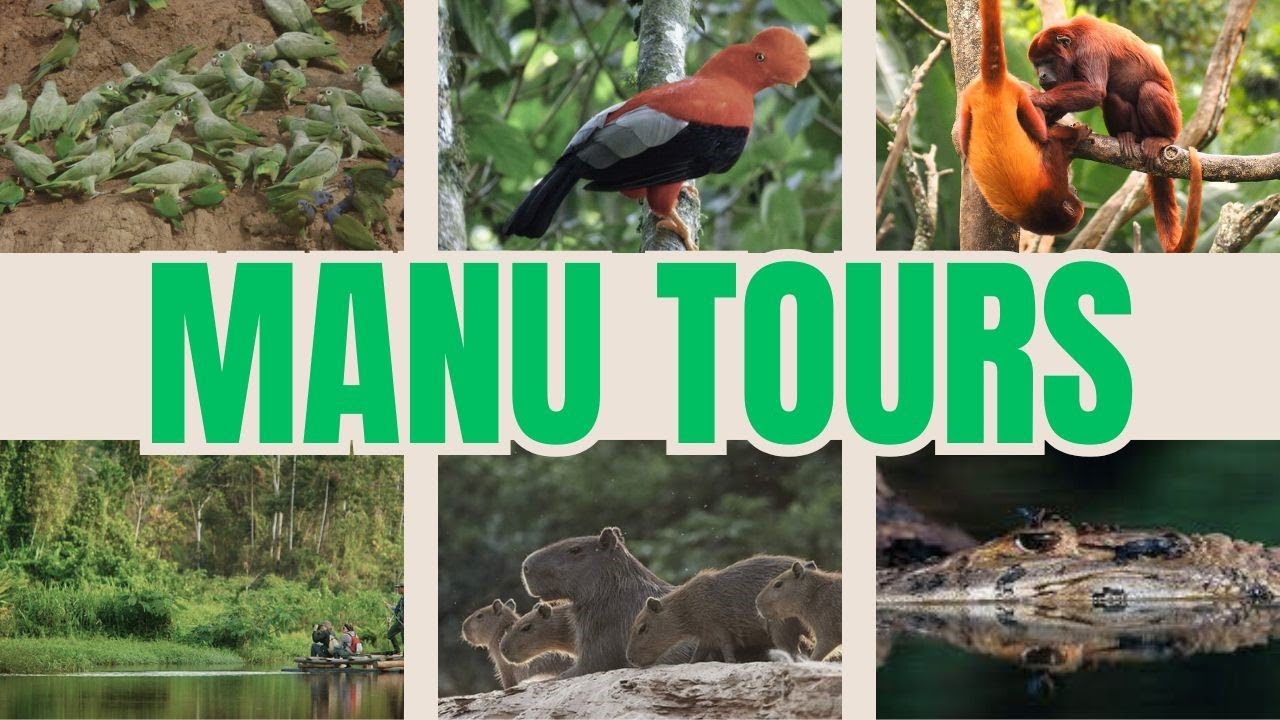
Imagine waking up to the calls of howler monkeys, gliding silently past giant river otters in oxbow lakes, or spotting a jaguar moving stealthily along the forest edge. In Manú, nature remains largely untouched, operating as it has for thousands of years.
Whether you are:
A birder searching for rare species
A photographer chasing pristine landscapes
A traveler craving an authentic Amazon experience
Manú National Park delivers raw, immersive, and unforgettable Amazon rainforest tours in Peru.
A Journey Through Altitudes: From Amazon Jungle to Andean Highlands
One of Manú’s most remarkable features is its dramatic altitudinal range, rising from 150 meters to over 4,200 meters above sea level. This vertical gradient creates an incredible diversity of ecosystems, including:
Amazonian lowland rainforest
Cloud forests and Yungas
Andean grasslands (Puna)
Snow-capped
This transition supports thousands of plant and animal species, many of which are endemic and found nowhere else on Earth.
Wildlife Wonders: A Living Ark of the Amazon
Birdwatching Paradise
With more than 850 recorded bird species, Manú National Park is considered one of the best birdwatching destinations in the world. Highlights include:
Macaws
Harpy eagles
Andean cock-of-the-rock
Toucans and countless endemic species
This number exceeds the bird diversity of many entire countries.
Mammals: From Tiny to Iconic
Manú protects over 200 mammal species, including:
13 species of monkeys (howler, woolly, capuchin)
Jaguars, pumas, and the elusive Andean mountain cat
Giant river otters inhabiting lakes and rivers
Butterflies, Amphibians, and Invertebrates
The park is also home to:
Over 1,300 butterfly species
Dozens of amphibians and reptiles
Thousands of undocumented insects
New species are still being discovered, making Manú a global hotspot for biodiversity research.
How to Experience Manú: Amazon Manu Tour Trips
Manú is remote and requires commitment—but the reward is one of the most authentic Amazon experiences in South America.
How to Get There
Starting point: Cusco, Peru
Travel time: 7–10 hours by road, followed by river transport
Best time to visit: May to October (dry season)
Types of Tours Available
Multi-day river expeditions
Guided wildlife trekking tours
Birdwatching-focused itineraries
Photography and scientific research trips
Tours are led by certified naturalist guides and often include stays at jungle lodges or research stations such as Cocha Cashu Biological Station.
Conservation Importance of Manú National Park
Manú National Park plays a critical role in global conservation. It protects:
An entire Amazon watershed
Indigenous communities living in voluntary isolation
One of the last fully intact rainforest ecosystems in the Amazon Basin
Unlike many regions of the Amazon, Manú has remained largely untouched by deforestation, mining, and road construction. The presence of apex predators confirms its exceptional ecological health.
However, external pressures such as gas extraction and agricultural expansion near park borders highlight the need for continued conservation efforts and responsible tourism.
Cultural Heritage: Ancient Echoes of the Amazon
Long before modern exploration, indigenous tribes and Incan civilizations lived in harmony with this land. Petroglyphs, archaeological remains, and legends—such as the mythical Lost City of Paititi—still echo through the rainforest.
Today, indigenous groups continue to inhabit protected areas within Manú, reinforcing the deep connection between cultural diversity and biodiversity.
Why Manú National Park Belongs on Your Bucket List
Visiting Manú National Park is not just a trip—it is a journey into one of the last great wildernesses on Earth. In a time when natural ecosystems are disappearing rapidly, Manú stands as a living reminder of what still exists—and what must be protected.
From jaguars and giant otters to towering ceiba trees and mist-covered cloud forests, Manú is a true Eden of the Amazon rainforest.
Quick Facts: Manú National Park
Location: Madre de Dios & Cusco, Peru
UNESCO Status: World Heritage Site (since 1987)
Size: 1.7 million hectares
Altitude Range: 150 m – 4,200 m


Информация по комментариям в разработке