Plywood boats with aircraft engines hunted German E-boats every night for 5 years—by sound, in total darkness, at 42 knots. The most dangerous naval duty in Europe.
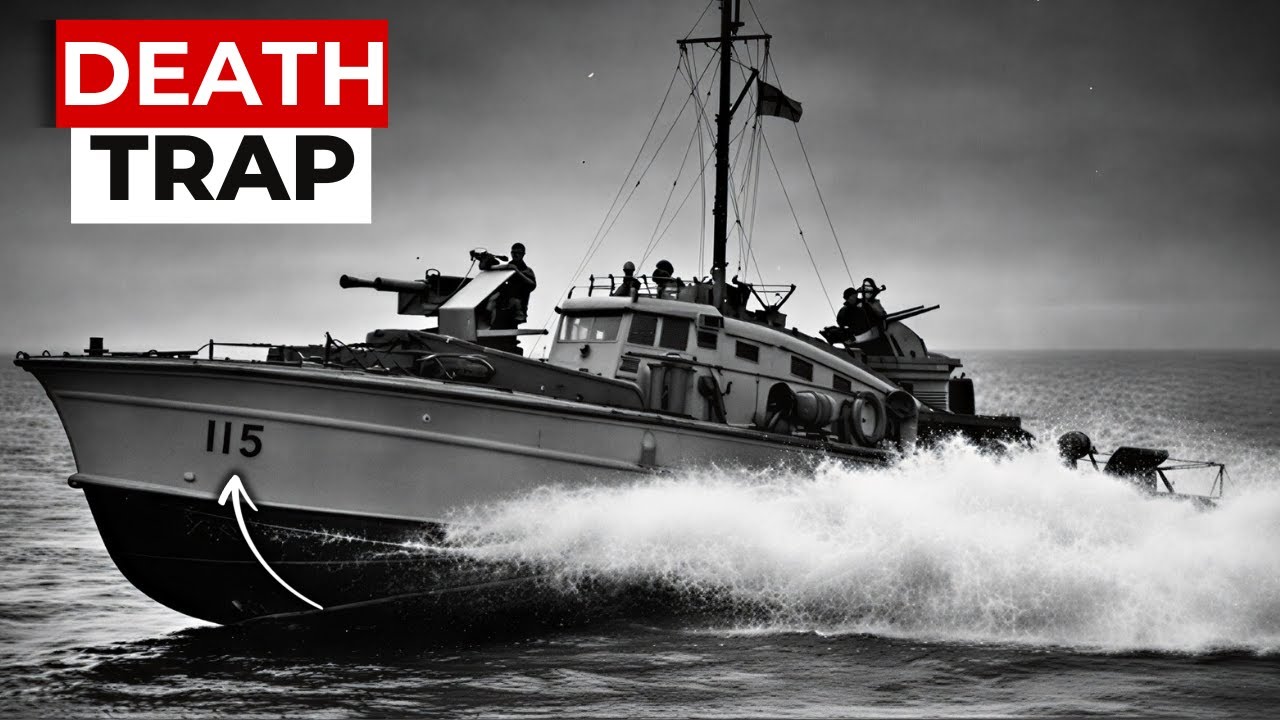
British Motor Torpedo Boats fought German Schnellboote (E-boats) in English Channel nightly operations 1940-1945. MTBs: 70 feet, 33 tons, three Packard supercharged aircraft engines (3,600 HP), 41-43 knots, 100-200 mile range, two 18-inch torpedoes, exposed crew in open cockpits. German S-boots: 114 feet, 100 tons, three Mercedes diesels (6,000 HP), 43 knots, 700 mile range, two 21-inch torpedoes, bunks/heating. Germans had 3x range, better seakeeping, superior habitability—every tactical advantage.
British countered with numbers, combined tactics (MTBs + Motor Gun Boats attacking simultaneously), and specialized night-fighting training. Crews identified boat types by engine sound alone—German diesels' low rumble vs. British Packards' high roar. D-Day June 6-7, 1944: MTB barrier patrols blocked E-boats from invasion fleet, sank 3, damaged 4, zero German torpedoes reached landing craft. 900+ MTBs/MGBs operated, 200+ lost. Coastal convoy system survived. Invasion succeeded.
Analysis based on Royal Navy Coastal Forces Command operational records, German Kriegsmarine S-boot war diaries, and MTB crew combat reports from Channel operations.
Understanding MTB operations reveals how British doctrine overcame specification disadvantages through tactical innovation. Numbers, combined arms, and night-fighting expertise defeated superior individual platforms. Plywood and gasoline made every engagement potentially fatal.
MTB specifications: plywood hull (cheap, fast to build), three Packard engines (more HP/ton but catastrophic fuel consumption), 48 knots maximum (MTB 102, fastest British warship WWII), no bunks/heating (hypothermia as dangerous as enemy fire), expendable design (cost less than one destroyer turret). S-boot advantages: sustained 40-knot operations for hours (diesels vs. gasoline), 700-mile range enabled all-night patrols from French bases, better armor around crew positions, heavier guns (37mm/40mm cannons added).
Night fighting doctrine: patrol known E-boat routes, engines idle listening for contact, sound identification (Mercedes diesel rumble), close at 42 knots, visual contact at 2,000 yards (phosphorescent wakes), torpedoes at 1,000 yards (complex geometry, 40-knot torpedoes + 40-knot boats), gun battles until fuel forced withdrawal. Combined tactics: MGBs engaged with cannons forcing E-boats to maneuver, MTBs attacked from different angles with torpedoes—divided German attention, created multiple threat axes.
Arms race: both sides added radar, heavier guns, starshells, armor. Casualties severe: plywood + gasoline = instant fires, Channel water 4-15°C (hypothermia killed survivors in minutes), crew life expectancy measured in months.
💬 Were the 200+ boat losses justified to protect coastal convoys and D-Day invasion fleet?
🎯 Subscribe for Daily WWII fast attack craft analysis and forgotten naval warfare stories.
#BritishMTB #GermanEBoats #CoastalForces #EnglishChannel #FastAttackCraft #DDay #RoyalNavyWWII #Schnellboote #MTBWarfare #WWIINaval

Информация по комментариям в разработке