More Potassium Than A Banana, Illegal To Plant: We Drained The Swamps To Destroy This Ancient Superfood
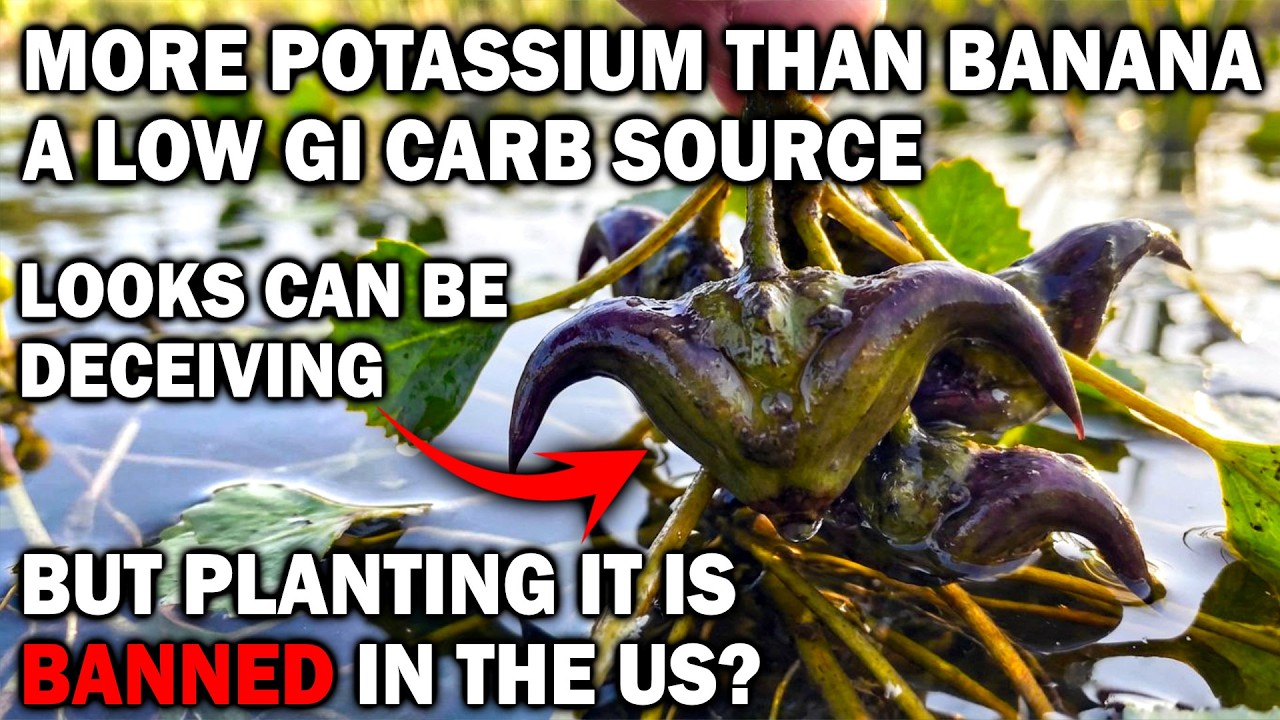
There is a black, horned pod floating in the Hudson River right now that looks less like food and more like a medieval weapon. The government spends millions of dollars annually deploying mechanical harvesters to destroy it. But for 3,000 years, it was the "Grain of the Swamp"—a sacred crop that fueled the Zhou Dynasty and saved Medieval Europe from starvation when wheat fields failed.
We drained our wetlands to grow the modern potato, deliberately erasing a crop that produces high-quality, free starch in water that modern agriculture considers useless waste. This is the story of the Water Caltrop (Trapa natans), the "Devil's Pod" that proves the swamp is not a wasteland, and why you can buy it in Asian markets but are banned from planting it in your backyard.
🔬 THE SCIENCE:
Archaeological excavations at the Tianluoshan site in eastern China reveal that indigenous populations managed water caltrop harvests over 6,000 years ago, pre-dating the dominance of domesticated rice. By the 4th Century BC, the Rites of Zhou codified the plant as a mandatory ritual offering to ancestors, symbolizing purity rising from the mud.
In Europe, it was a Neolithic staple around the lakes of Switzerland and Italy. By the Middle Ages, it was known as the "Jesuit's Nut" because religious orders relied on its dense nutrition during fasts. It remained a common street food in Italy until the 1880s.
Nutritionally, the water caltrop outclasses the crops we replaced it with. A standard 100g (3.5 oz) serving contains roughly 24g of carbohydrates—identical energy density to cooked brown rice.
Protein: 3.4g to 4.4g per 100g (The modern white potato averages only ~2g).
Potassium: 468mg to 584mg per 100g (Beating the banana at 358mg).
Zinc: ~0.6mg per 100g (An immune-boosting mineral largely absent in starchy roots).
The starch is highly concentrated in amylose (resistant starch), giving it a low glycemic index compared to the blood-sugar spike of a baked potato.
💰 THE SUPPRESSION:
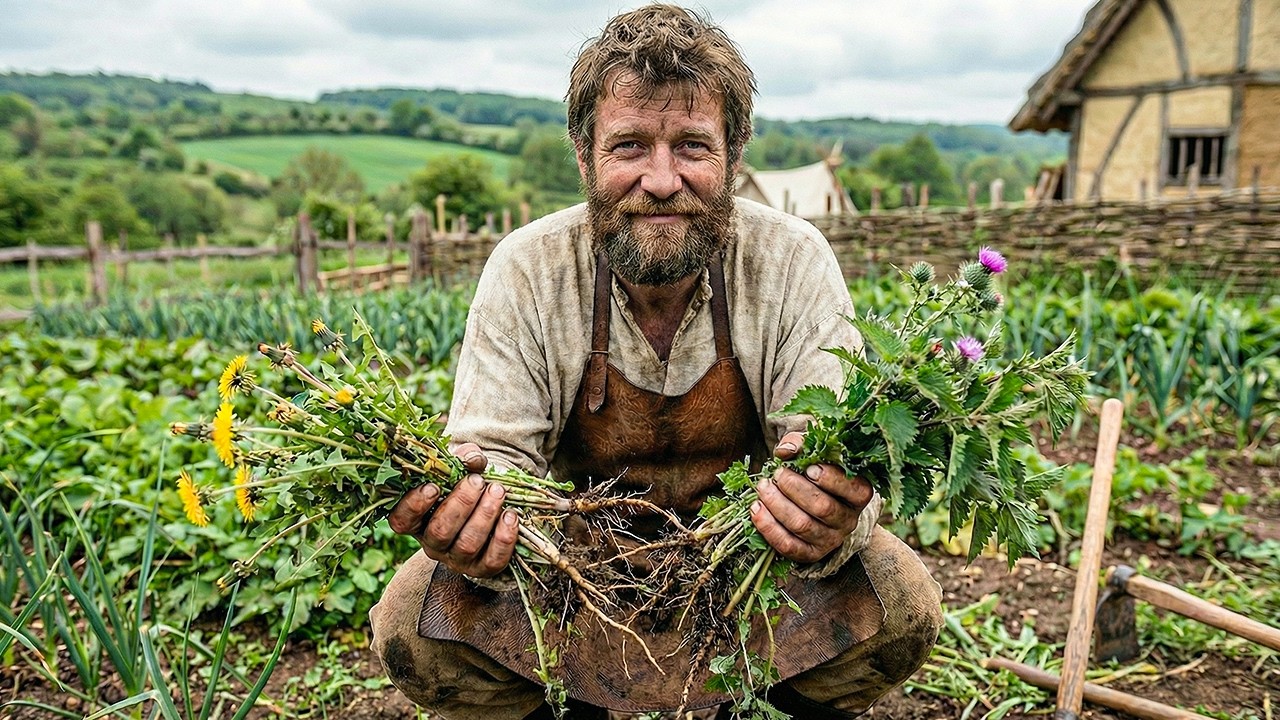
The decline of the water caltrop wasn't caused by a villain, but by the 19th-century obsession with "Dry Land." European powers aggressively drained fenlands to create arable dirt for wheat and potatoes, destroying the slow-moving backwaters the plant needs.
In North America, after escaping the Harvard Botanic Garden in the 1870s, it became a massive invasive threat without natural predators. Today, it is illegal to transport or plant Trapa natans in many states (like NY and MA). State agencies classify it as a noxious weed, spending millions to "mow" rivers and dump thousands of tons of gluten-free starch into landfills.
⚠️ WARNING: Never eat water caltrops raw. They contain high tannins (tasting like turpentine) and can carry the Fasciolopsis buski parasite. They must be boiled for 20+ minutes.
📚 SOURCES:
Fuller, D. Q., et al. (2011). The domestication process and domestication rate in rice: Spikelet bases from the Lower Yangtze. Science.
Zhouli (Rites of Zhou). (c. 4th Century BC). Ancient Chinese text on bureaucracy and ritual.
Karg, S. (2006). The water caltrop (Trapa natans L.) as a food resource during the 4th to 1st millennia BC at Lake Federsee, Bad Buchau. Environmental Archaeology.
Simmonds, P. L. (1854). The Commercial Products of the Vegetable Kingdom.
Hummel, M., & Kiviat, E. (2004). Review of World Literature on Water Chestnut with Implications for Management in North America. Journal of Aquatic Plant Management.
Adkar, P. P., et al. (2014). Trapa natans (Water Chestnut): An Overview. Indo American Journal of Pharmaceutical Research.
U.S. Department of Agriculture (USDA). FoodData Central.
National Kidney Foundation. Clinical Guidelines on Potassium in Chronic Kidney Disease.
Sivaperuman, P., et al. (2018). Phytoremediation of Heavy Metals by Aquatic Macrophytes.
World Health Organization (WHO). (1995). Control of Foodborne Trematode Infections. WHO Technical Report Series.
Chandna, P., et al. (2013). Water chestnut: A review on post-harvest handling and processing.
USDA Natural Resources Conservation Service (NRCS). State Noxious Weed Databases.
#AncestralYields #WaterCaltrop #TrapaNatans #FoodHistory #InvasiveSpecies #Foraging #GlutenFree #SustainableAg #SwampEngine #LostCrops










Информация по комментариям в разработке