Logo video2dn
  • Сохранить видео с ютуба
  • Категории
    • Музыка
    • Кино и Анимация
    • Автомобили
    • Животные
    • Спорт
    • Путешествия
    • Игры
    • Люди и Блоги
    • Юмор
    • Развлечения
    • Новости и Политика
    • Howto и Стиль
    • Diy своими руками
    • Образование
    • Наука и Технологии
    • Некоммерческие Организации
  • О сайте

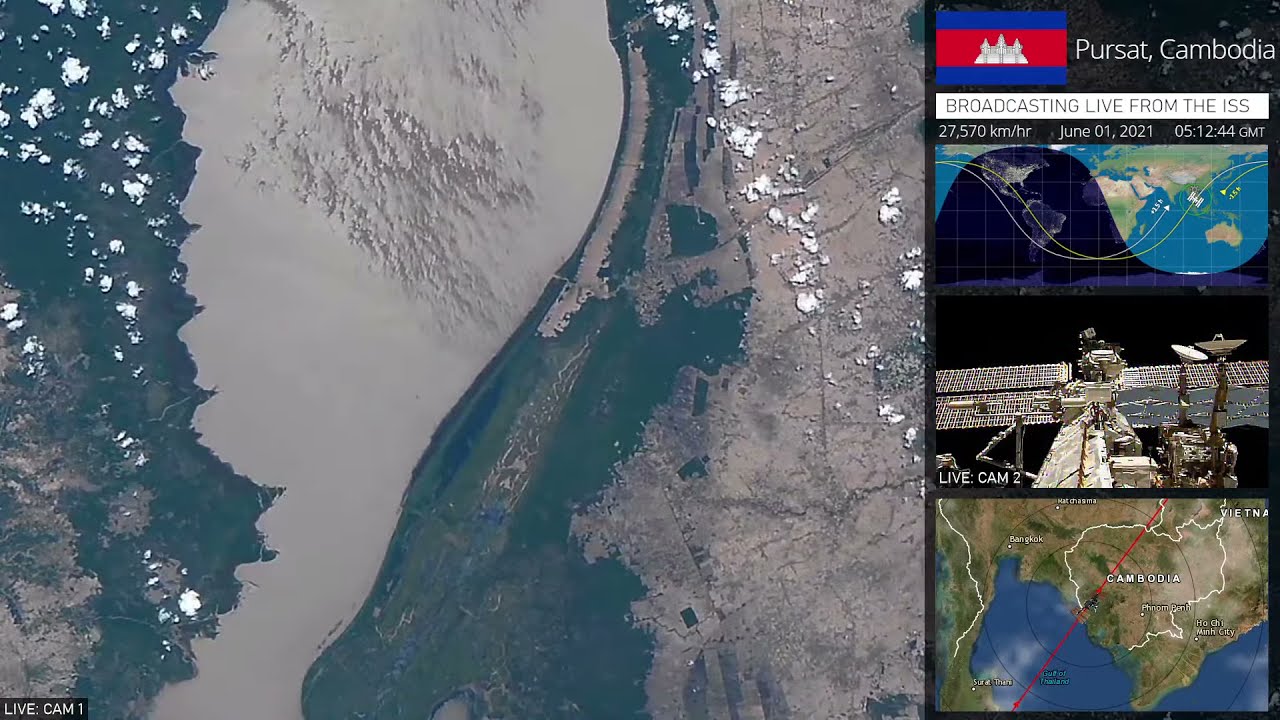
Скачать или смотреть Earth Space View: Tonlé Sap, Cambodia (Largest lake in Southeast Asia)

  • afarTV
  • 2021-06-03
  • 1658
Earth Space View: Tonlé Sap, Cambodia (Largest lake in Southeast Asia)
  • ok logo

Скачать Earth Space View: Tonlé Sap, Cambodia (Largest lake in Southeast Asia) бесплатно в качестве 4к (2к / 1080p)

У нас вы можете скачать бесплатно Earth Space View: Tonlé Sap, Cambodia (Largest lake in Southeast Asia) или посмотреть видео с ютуба в максимальном доступном качестве.

Для скачивания выберите вариант из формы ниже:

  • Информация по загрузке:

Cкачать музыку Earth Space View: Tonlé Sap, Cambodia (Largest lake in Southeast Asia) бесплатно в формате MP3:

Если иконки загрузки не отобразились, ПОЖАЛУЙСТА, НАЖМИТЕ ЗДЕСЬ или обновите страницу
Если у вас возникли трудности с загрузкой, пожалуйста, свяжитесь с нами по контактам, указанным в нижней части страницы.
Спасибо за использование сервиса video2dn.com

Описание к видео Earth Space View: Tonlé Sap, Cambodia (Largest lake in Southeast Asia)

This view was captured from the live stream from the ISS that can be found here:
https://afar.tv/iss/youtube1/ or    • Видео  
About Tonlé Sap (Courtesy of Wikipedia):

Tonlé Sap commonly translated as 'great lake') is a seasonally inundated freshwater lake, Tonlé Sap Lake, and an attached river, the 120 km (75 mi) long Tonlé Sap River, that connects the lake to the Mekong River. They form the central part of a complex hydrological system, in the 12,876 km2 (4,971 sq mi) Cambodian floodplain covered with a mosaic of natural and agricultural habitats that the Mekong replenishes with water and sediments annually. The central plain formation is the result of millions of years of Mekong alluvial deposition and discharge. From a geological perspective, the Tonlé Sap Lake and Tonlé Sap River are a current freeze-frame representation of the slowly but continuously shifting lower Mekong basin. Annual fluctuation of the Mekong's water volume, supplemented by the Asian monsoon regime, causes a unique flow reversal of the Tonlé Sap River.[3] The largest freshwater lake in Southeast Asia, it contains an exceptional large variety of interconnected eco-regions with a high degree of biodiversity and is therefore a biodiversity hotspot. It was designated a UNESCO biosphere reserve in 1997.

Tonlé Sap Lake occupies a geological depression (the lowest lying area) of the vast alluvial and lacustrine floodplain in the lower Mekong basin, which has been induced by the collision of the Indian Plate with the Eurasian Plate. The lake's size, length and water volume varies considerably over the course of a year from an area of around 2,500 km2 (965 sq mi), a volume of 1 km3 (0.24 cu mi) and a length of 160 km (99 mi) at the end of the dry season in late-April to an area of up to 16,000 km2 (6,178 sq mi), a volume of 80 km3 (19 cu mi) and a length of 250 km (160 mi) as the Mekong maximum and the peak of the southwest monsoon's precipitation culminate in September and early-October.

As one of the world's most varied and productive ecosystems the region has always been of central importance for Cambodia's food supply. It proved capable of largely maintaining the Angkorian civilization, the largest pre-industrial settlement complex in world history. Directly and indirectly it affects the livelihood of large numbers of a predominantly rural population.

The lake and its surrounding ecosystems have come under increasing pressure from deforestation, infrastructure development and climate change in recent years. All Mekong riparian states have constructed a series of dams to exploit the river's hydroelectric potential. A succession of international facilities that dam the river's mainstream is thought to be a serious threat to the Tonlé Sap eco-region by reducing flow into the lake and reducing connectivity. Climate change caused a number of severe droughts in Cambodia during the 2010s, which have further reduced the annual river flow into the lake. Fisheries and food security of the population have been affected. Satellite imaging suggested the low water levels during 2019 was driven by a particular severe drought and was exacerbated by the withholding of water in hydropower dams in China.

Map: https://www.google.com/maps/place/Ton...

Music by Yellow Brick Cinema
www.yellowbrickcinema.com

#cambodia
#tonlesap
#isslive
#spacelive
#nasalive
#livearth

Комментарии

Информация по комментариям в разработке

Похожие видео

  • О нас
  • Контакты
  • Отказ от ответственности - Disclaimer
  • Условия использования сайта - TOS
  • Политика конфиденциальности

video2dn Copyright © 2023 - 2025

Контакты для правообладателей [email protected]