Logo video2dn
  • Сохранить видео с ютуба
  • Категории
    • Музыка
    • Кино и Анимация
    • Автомобили
    • Животные
    • Спорт
    • Путешествия
    • Игры
    • Люди и Блоги
    • Юмор
    • Развлечения
    • Новости и Политика
    • Howto и Стиль
    • Diy своими руками
    • Образование
    • Наука и Технологии
    • Некоммерческие Организации
  • О сайте

Скачать или смотреть Diving with Grandpa the Wolf Eel | Tyee, Nanoose Bay, BC

  • Scuba Max
  • 2022-03-01
  • 1846
Diving with Grandpa the Wolf Eel | Tyee, Nanoose Bay, BC
scuba divingwolf eelunderwater videosBCfishWhere to dive on Vancouver IslandBest places to dive in BCWhere to find wolf eelsBest dive site in Nanoose Bay
  • ok logo

Скачать Diving with Grandpa the Wolf Eel | Tyee, Nanoose Bay, BC бесплатно в качестве 4к (2к / 1080p)

У нас вы можете скачать бесплатно Diving with Grandpa the Wolf Eel | Tyee, Nanoose Bay, BC или посмотреть видео с ютуба в максимальном доступном качестве.

Для скачивания выберите вариант из формы ниже:

  • Информация по загрузке:

Cкачать музыку Diving with Grandpa the Wolf Eel | Tyee, Nanoose Bay, BC бесплатно в формате MP3:

Если иконки загрузки не отобразились, ПОЖАЛУЙСТА, НАЖМИТЕ ЗДЕСЬ или обновите страницу
Если у вас возникли трудности с загрузкой, пожалуйста, свяжитесь с нами по контактам, указанным в нижней части страницы.
Спасибо за использование сервиса video2dn.com

Описание к видео Diving with Grandpa the Wolf Eel | Tyee, Nanoose Bay, BC

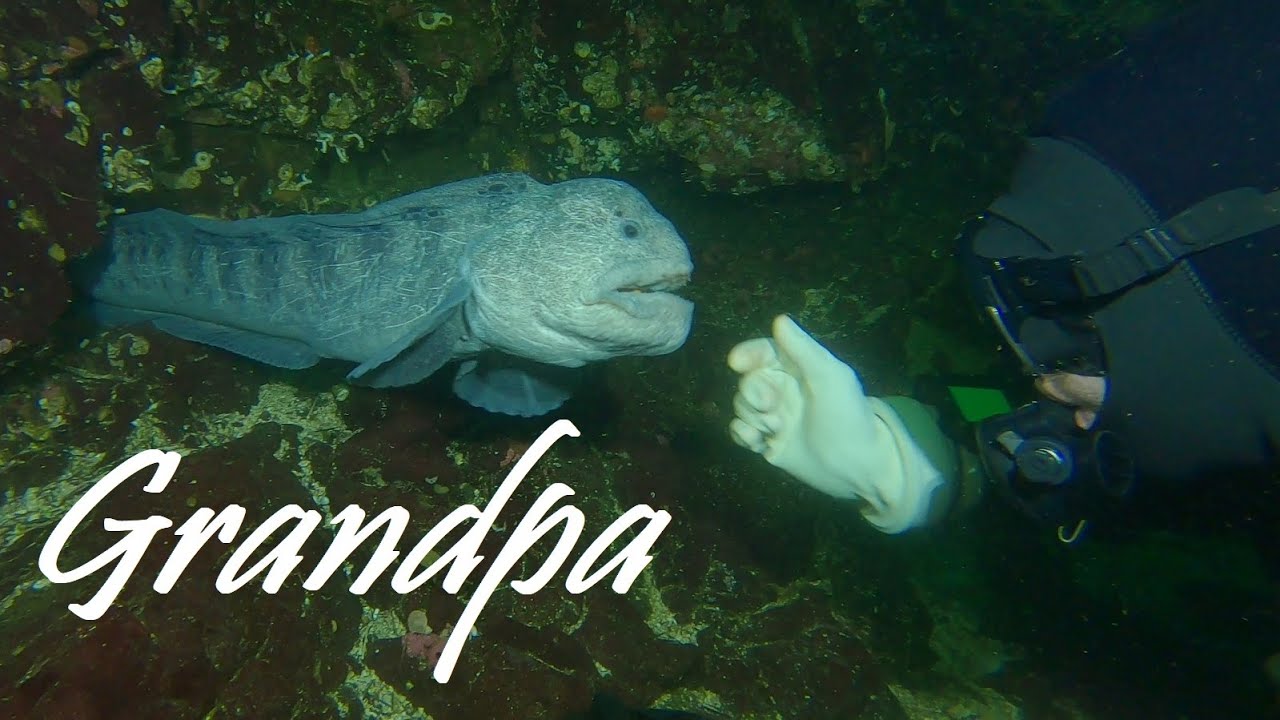
Finally had the opportunity to meet Grandpa, the famous wolf eel on Vancouver Island! Please let me know in the comments below if you have ever met him, and if yes, please let me know when. Would love to hear your diving stories about Grandpa.

At first, wolf eels look terrifyingly ugly, a face only a mother could love. But as you start to spend more time with them, you can’t help but fall in love with their cute little old man faces. Large wolf eels can be quite curious about divers and are rarely aggressive. However, they do have powerful jaws with canine teeth and molars which they use to crush their prey, so please be careful. They mainly feed on invertebrates such as crustaceans, sea urchins, mussels, and clams by crushing their hard shells but will also eat smaller fish.

Wolf eels differ from true eels as they have paired gills slits and pectoral fins.

Juveniles are a vibrant orange/brown and eventually turn grey with beautiful markings all along their body.

They can grow up to 2.4 m (7ft 10in) in length and can weigh up to 41 lbs (18.4 kg)!

Males like Grandpa are easy to differentiate from females because they have large lips and a protuberance on the superior part of their head.
Wolf eels are found in crevices on rocky reefs from shallow waters to a depth of 226 m (741 ft), ranging from the Sea of Japan and the Bering Sea (Alaska) to Northern California. They spend most of their time in dens to protect themselves from predators such as sharks and harbor seals.

For some coastal northwest First Nations, the wolf eel was referred to as the sacred “doctorfish”. Only the healers were allowed to eat this fish, as it was thought to enhance their healing powers.

If you know more about this, please feel free to elaborate in the comments below. I would love to learn more about that.

You’re too slow Grandpa, mister rockfish got your snack!

Grandpa almost seems embarrassed about that so he returns to his den. Luckily for us, we got to see the beautiful markings all over his body and how long he actually is! He is massive! I don’t think wolf eels get much bigger than him!

Wolf eels have a monogamous relationship and tend to mate for life and live in the same den. They reproduce from October until the end of winter starting from when they are around 7 years old. The male puts his head against the female's abdomen and wraps around her, while she extrudes the eggs (she can lay up to 10,000 at a time) which he then fertilizes. Later, they coil around them and use her body to shape the eggs into a neat sphere roughly the size of a grapefruit, the male then coils around her to add an extra layer of protection. They both equally protect their eggs and only one at a time leaves the den to feed. The eggs will hatch after 91 to 112 days and during this period, in order to ensure correct circulation of water around the eggs to keep them supplied with oxygen, the female periodically massages and rotates them as they develop.

Oh the struggle is real when you’re an adorable senior wolf eel!
Since Grandpa’s den is 80 feet deep, we could only spend a few minutes with him before reaching our no decompression limit. At this point, my dive computer starts giving me warning signs so we decide to say our goodbyes.

Tim sends some love to Grandpa and stares deeply into his eyes to build their bond. A few local divers believe that Grandpa recognizes and remembers individual divers. Maybe one day, he will become my friend too.

Комментарии

Информация по комментариям в разработке

Похожие видео

  • О нас
  • Контакты
  • Отказ от ответственности - Disclaimer
  • Условия использования сайта - TOS
  • Политика конфиденциальности

video2dn Copyright © 2023 - 2025

Контакты для правообладателей [email protected]