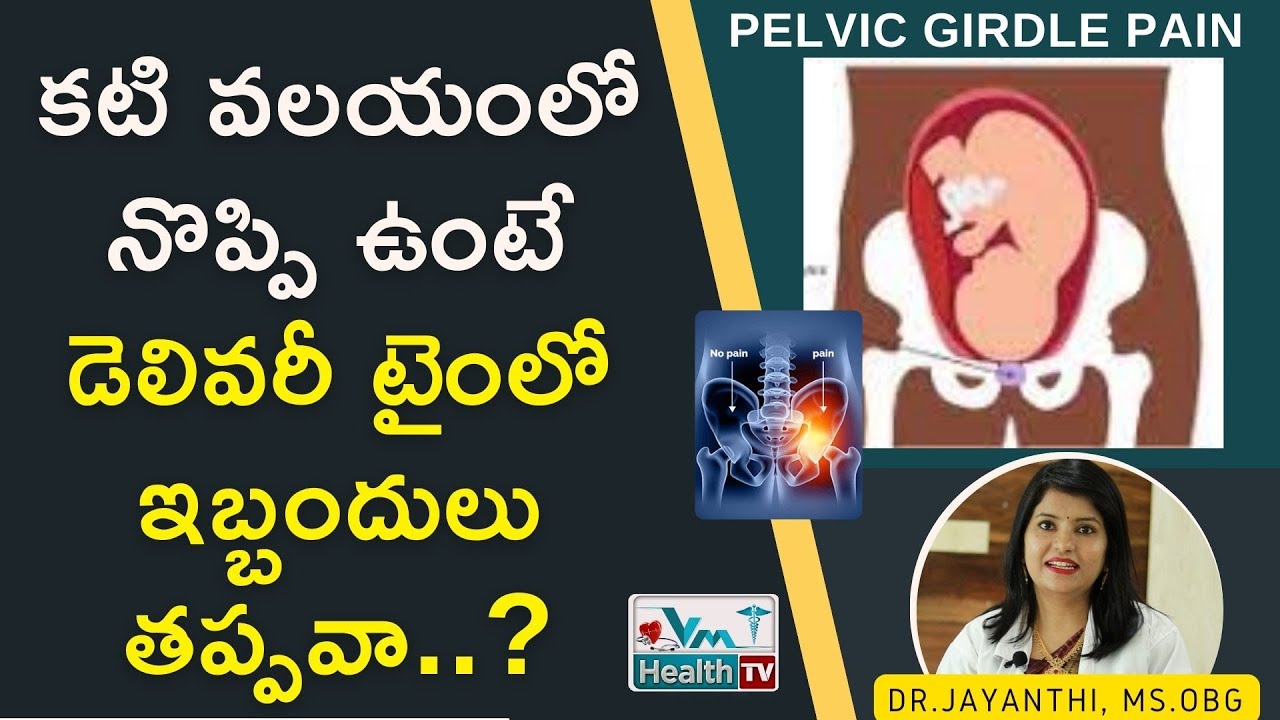
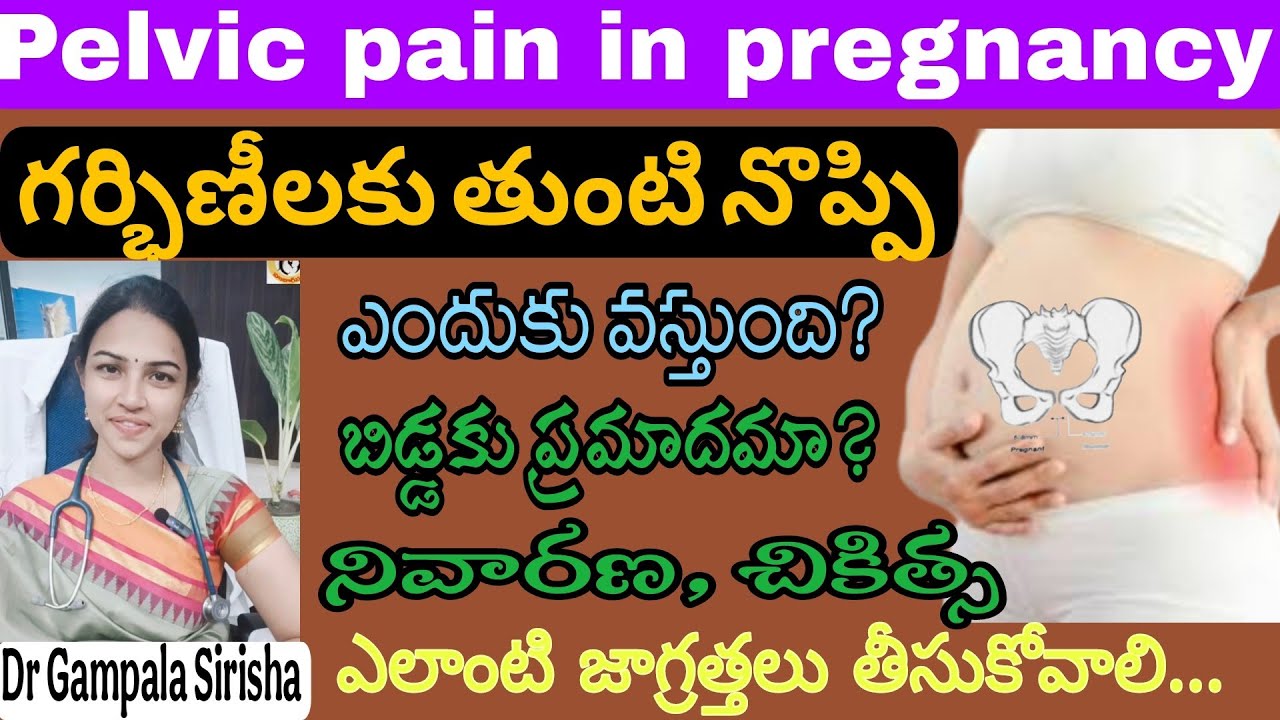
During pregnancy, many women may experience pelvic girdle pain, which is discomfort or pain felt in the pelvic region. It's a common condition that affects the joints and ligaments in the pelvis. Let's explore the causes, symptoms, precautions, and treatment options for pelvic girdle pain in simple terms. In this video dr. Jayanthi, Gynaecologist from JS Hospital, Vanasthalipuram going to explain in detail about below important points.
Causes: Pelvic girdle pain is often caused by the hormone relaxin, which helps loosen the ligaments and joints in preparation for childbirth. This can lead to instability in the pelvic area, causing pain and discomfort. Also, the added weight of the growing baby can put pressure on the pelvis, contributing to the pain.
Symptoms: Women with pelvic girdle pain may feel discomfort in the lower back, hips, groin, and buttocks. It can range from mild to severe and may worsen with certain movements like walking, standing, or getting out of bed. Some women may also experience pain while changing positions, climbing stairs, or spreading their legs.
Precautions: To ease pelvic girdle pain, it's essential to take some precautions. Avoid activities that put a strain on the pelvis, such as heavy lifting or standing for long periods. Use supportive pillows when sleeping, and try to maintain good posture throughout the day. Consider wearing a maternity support belt, which can provide additional support to the pelvic area.
Treatment options: There are various ways to manage pelvic girdle pain. Gentle exercises like prenatal yoga or swimming can help strengthen the muscles and improve flexibility. Physical therapy may be beneficial, as well as applying heat or cold packs to the painful area for relief. If the pain is severe, consult your healthcare provider, who may recommend a pelvic support belt, pain medication, or specialized treatments like chiropractic care.
Remember, every pregnancy is unique, and pelvic girdle pain can vary from person to person. If you experience discomfort or pain in your pelvic region during pregnancy, talk to your healthcare provider for personalized advice and recommendations.
In conclusion, pelvic girdle pain is a common discomfort during pregnancy, caused by hormonal changes and increased pressure on the pelvis. Simple precautions, gentle exercises, and supportive measures can help alleviate the pain. Always consult with your healthcare provider to ensure the best approach for managing pelvic girdle pain during your pregnancy journey.
#VmHealthTv
#pregnancy
#fertility
We also available on
► Like us on Facebook: https://bit.ly/35BPQx0
► Follow us on Twitter: / health_vm
► Visit Website: http://vmhealth.net/
► Follow us on Instagram: https://bit.ly/2A3OW0B
► Tik Tok: https://bit.ly/2WbBdxv
► Pin us on Pinterest:






Информация по комментариям в разработке