** NEW MERCH ** Jackets & Sweatshirts, Thermo Mugs!!
Daniel Davis Deep Dive Merch: Etsy store
https://www.etsy.com/shop/DanielDavis...
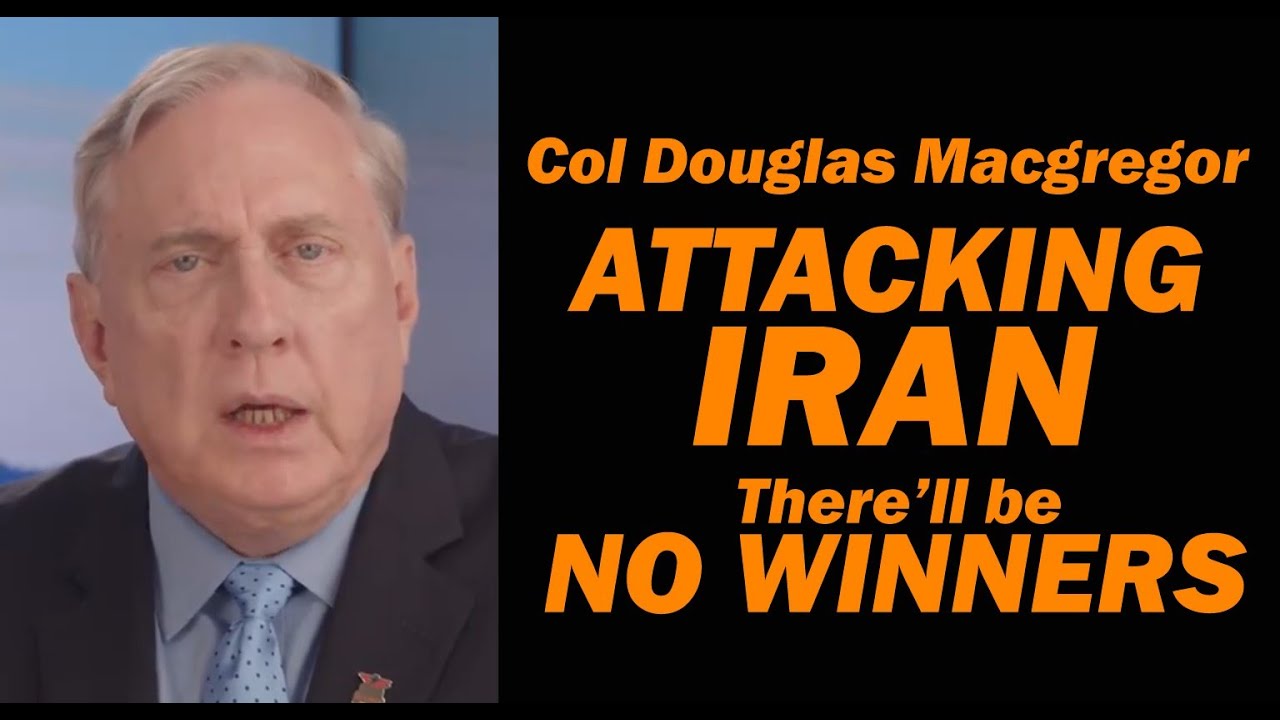
Col Douglas Macgregor argues that momentum inside the Trump orbit—driven by figures like Mike Pompeo and major donors—is pushing toward regime change in Iran, based on the belief that negotiation is impossible and that Iran must be forcibly removed from power. This approach is framed publicly as supporting the Iranian people, but the speaker contends the real intent is outright destruction of Iran as a state.
They warn this path ignores second- and third-order consequences and risks U.S. economic, political, and social stability. The argument traces America’s current vulnerability back to abandoning the gold standard after Vietnam-era war spending, enabling decades of debt-financed interventions without public consent. This financial model, they argue, is now nearing collapse.
Iran, a country of over 90 million people, cannot realistically be invaded or occupied. Instead, U.S. and Israeli strategy is described as economic strangulation and infrastructure destruction—crippling industry, food, water, and civilian life—to force collapse. The speaker claims this aligns with Israeli demands and donor interests, leaving Trump “boxed in” by his own rhetoric and political commitments.
The analysis stresses that Iran is not isolated: China and Russia are actively supporting it, and many regional states—including Turkey—oppose Iran’s destruction due to fears of regional collapse and mass refugee flows. Militarily, Iran retains significant retaliatory capability, including large missile stockpiles capable of striking U.S. bases, ships, and allies. If Iran retaliates and Americans are killed, Trump would face overwhelming pressure to escalate—despite lacking the capacity to win or occupy Iran.
Strategically, the speaker warns escalation would accelerate global fragmentation. More countries would flee the U.S.-led financial system, strengthen BRICS, reduce dollar dependence, and deepen a split world order. An attack on Iran would further discredit U.S. narratives about “unprovoked” conflicts and fuel global resentment.
Finally, the speaker argues that such a war risks proliferation of weapons of mass destruction, as states conclude that lacking nuclear weapons invites destruction. An Iranian conflict could trigger cascading responses involving Israel, Russia, China, Pakistan, Saudi Arabia, and Turkey—turning a regional war into a global crisis. The conclusion is stark: there would be no winners, U.S. missile stocks would deplete faster than Iran’s capacity to endure, and the domestic economic consequences for the United States would be severe and lasting.

Информация по комментариям в разработке