The Mystery Of The Mary Celeste Ghost Ship
The Mary Celeste was an American merchant brigantine discovered adrift and abandoned in the Atlantic Ocean on 4 December 1872. Despite being seaworthy and fully provisioned, the vessel’s crew was missing without clear evidence of violence or catastrophe. This report examines the physical evidence, environmental conditions, cargo properties, and prevailing scientific hypotheses to evaluate plausible explanations for the abandonment.
1. Introduction
Maritime abandonments without survivors are rare events of significant scientific and historical interest. The Mary Celeste case is notable due to the absence of structural damage, intact cargo, and lack of human remains. The objective of this report is to analyze verifiable data and assess hypotheses using principles from oceanography, chemistry, human behavior under stress, and naval engineering.
2. Vessel and Voyage Information
Ship Name: Mary Celeste
Type: Brigantine
Built: 1861 (originally named Amazon)
Length: ~31 meters
Cargo at Time of Incident: 1,701 barrels of denatured alcohol (methanol/ethanol mixture)
Crew: 8 sailors, Captain Benjamin Spooner Briggs, his wife, and their daughter (total 10 persons)
The vessel departed New York Harbor on 7 November 1872, bound for Genoa, Italy.
3. Discovery and Physical Evidence
3.1 Condition of the Ship
Hull structurally intact
Sails partially set but disorganized
No significant storm damage
Bilge contained ~1 meter of water (not unusual for wooden vessels)
Cargo largely intact; 9 barrels empty or partially empty
Food, water, and personal belongings present
Navigation instruments missing (sextant, chronometer)
3.2 Absence of Crew
No signs of struggle or blood
Lifeboat missing
No distress signals logged or recovered
4. Environmental and Oceanographic Context
Weather records indicate moderate conditions in the Azores region during the relevant period. No major storms were documented that could have forced an emergency evacuation. Ocean currents in the area are capable of separating a lifeboat from a parent vessel within hours.
5. Hypotheses and Scientific Evaluation
5.1 Piracy or Mutiny
Assessment: Unlikely
Rationale: Cargo remained intact, no damage or violence observed, and personal valuables were undisturbed.
5.2 Alcohol Vapor Explosion Hypothesis
Assessment: Highly Plausible
Rationale:
Industrial alcohol barrels were made of porous red oak.
Alcohol vapors could accumulate in the hold.
Sudden pressure release or “flash explosion” could occur without fire damage.
Crew may have feared a catastrophic explosion and evacuated temporarily.
Experimental recreations (20th–21st century) have shown that alcohol vapor explosions can produce loud blasts without scorching surfaces.
5.3 Navigation Error and Water Ingress
Assessment: Moderately Plausible
Rationale:
Inaccurate chronometer readings may have caused misjudgment of location.
Captain Briggs may have believed the ship was closer to land or in greater danger.
Combined with bilge water, this may have prompted precautionary evacuation.
5.4 Seaquake or Natural Phenomenon
Assessment: Low Plausibility
Rationale:
No geological evidence supports a seismic event in the area at the time.
No structural damage consistent with such an event was observed.
5.5 Human Factors and Risk Perception
Assessment: Highly Relevant
Stress, responsibility for family aboard, and limited information could have amplified perceived risk. The removal of navigational tools suggests an intention to return to the vessel after a temporary evacuation.
6. Most Likely Scenario
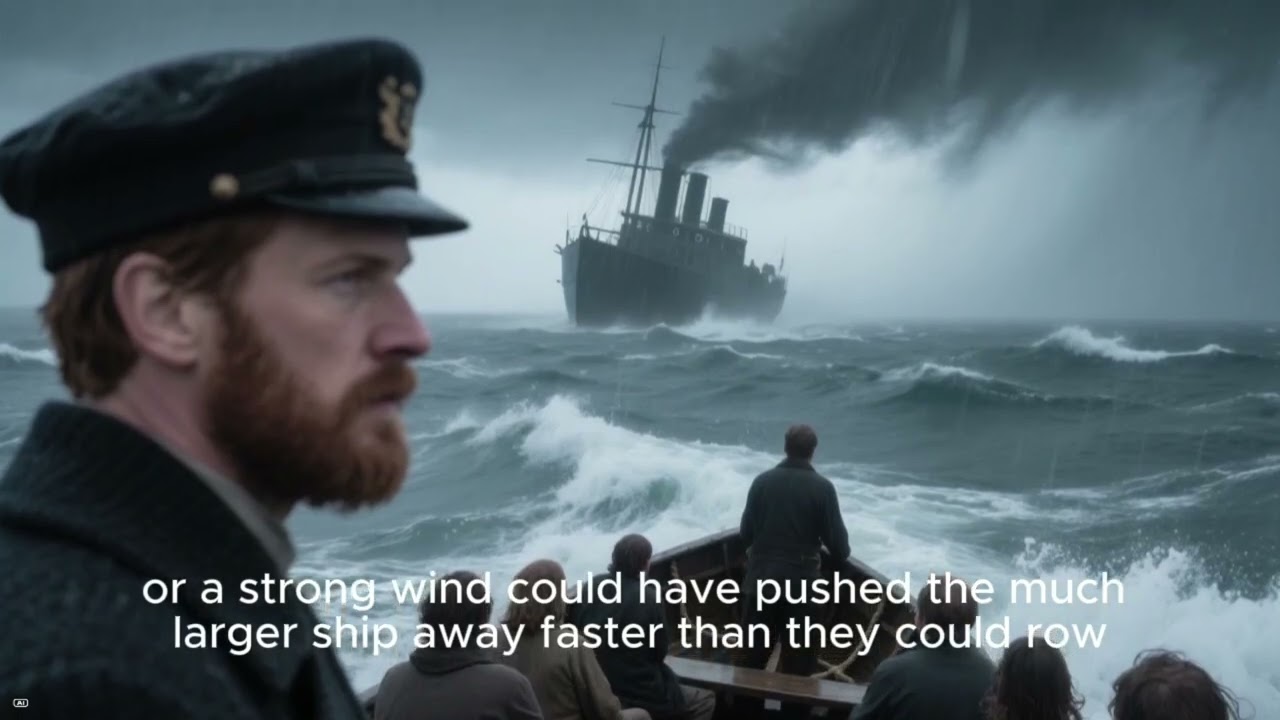
The most scientifically supported explanation is a temporary abandonment due to fear of explosion from alcohol vapors, combined with navigational uncertainty. The crew likely boarded the lifeboat while tethered to the ship. Subsequent rope failure or sudden weather change could have separated the lifeboat, resulting in the loss of all occupants at sea.
7. Conclusion
The Mary Celeste incident does not require supernatural explanations. Available evidence supports a chain of rational decisions made under uncertainty, influenced by chemical hazards and environmental risk. This case illustrates how human perception of danger, rather than actual structural failure, can lead to fatal outcomes in maritime contexts.
8. References (Selected)
Maritime Court Records, Gibraltar (1873)
Spurling, B. The Mystery of the Mary Celeste Revisited
National Geographic, Maritime Disaster Analyses
Experimental vapor explosion studies (University maritime safety labs)
Only The Shadows Know!

Информация по комментариям в разработке