This is an audio version of the Wikipedia Article:
Chalcogen
Listening is a more natural way of learning, when compared to reading. Written
language only began at around 3200 BC, but spoken language has existed long ago.
Learning by listening is a great way to:
increases imagination and understanding
improves your listening skills
improves your own spoken accent
learn while on the move
reduce eye strain
Now learn the vast amount of general knowledge available on Wikipedia through
audio (audio article). You could even learn subconsciously by playing the audio
while you are sleeping! If you are planning to listen a lot, you could try using
a bone conduction headphone, or a standard speaker instead of an earphone.
You can find other Wikipedia audio articles too at:
/ @wikipediatts983
In case you don't find one that you were looking for, put a comment.
This video uses Google TTS en-US-Standard-D voice.
SUMMARY
=======
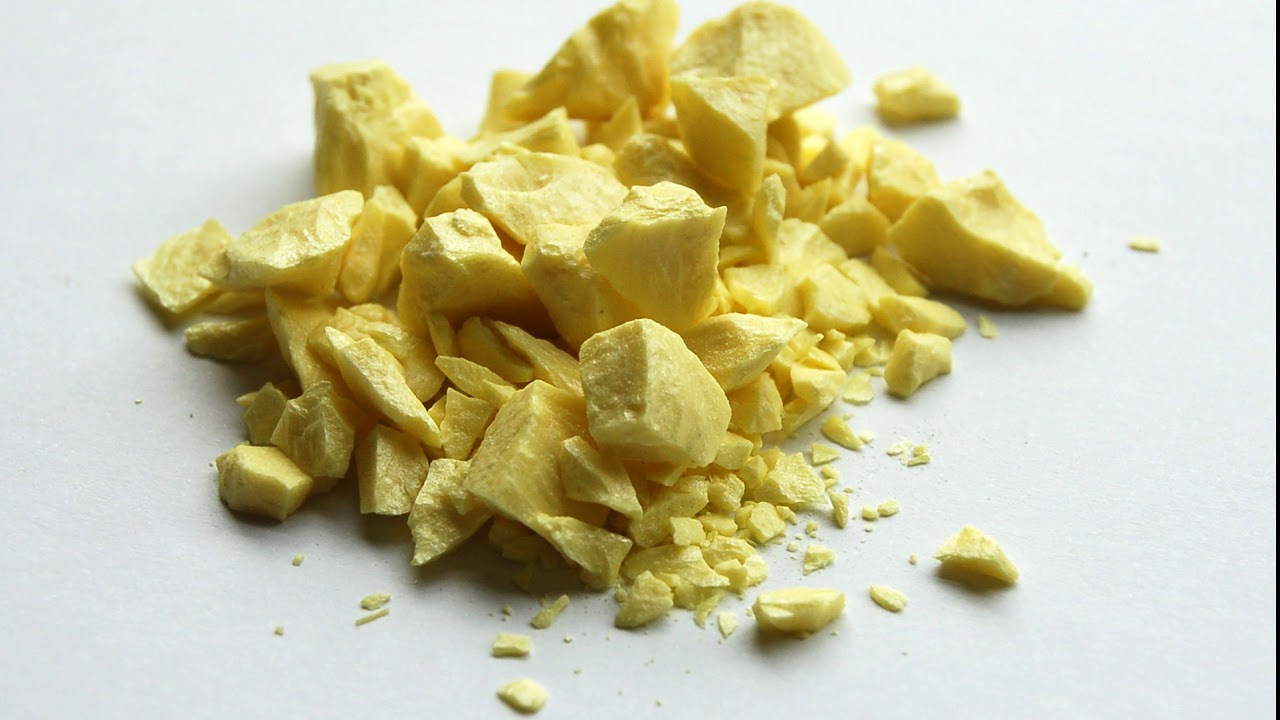
The chalcogens () are the chemical elements in group 16 of the periodic table. This group is also known as the oxygen family. It consists of the elements oxygen (O), sulfur (S), selenium (Se), tellurium (Te), and the radioactive element polonium (Po). The chemically uncharacterized synthetic element livermorium (Lv) is predicted to be a chalcogen as well. Often, oxygen is treated separately from the other chalcogens, sometimes even excluded from the scope of the term "chalcogen" altogether, due to its very different chemical behavior from sulfur, selenium, tellurium, and polonium. The word "chalcogen" is derived from a combination of the Greek word khalkόs (χαλκός) principally meaning copper (the term was also used for bronze/brass, any metal in the poetic sense, ore or coin), and the Latinised Greek word genēs, meaning born or produced.Sulfur has been known since antiquity, and oxygen was recognized as an element in the 18th century. Selenium, tellurium and polonium were discovered in the 19th century, and livermorium in 2000. All of the chalcogens have six valence electrons, leaving them two electrons short of a full outer shell. Their most common oxidation states are −2, +2, +4, and +6. They have relatively low atomic radii, especially the lighter ones.Lighter chalcogens are typically nontoxic in their elemental form, and are often critical to life, while the heavier chalcogens are typically toxic. All of the chalcogens have some role in biological functions, either as a nutrient or a toxin. The lighter chalcogens, such as oxygen and sulfur, are rarely toxic and usually helpful in their pure form. Selenium is an important nutrient but is also commonly toxic. Tellurium often has unpleasant effects (although some organisms can use it), and polonium is always extremely harmful, both in its chemical toxicity and its radioactivity.
Sulfur has more than 20 allotropes, oxygen has nine, selenium has at least five, polonium has two, and only one crystal structure of tellurium has so far been discovered. There are numerous organic chalcogen compounds. Not counting oxygen, organic sulfur compounds are generally the most common, followed by organic selenium compounds and organic tellurium compounds. This trend also occurs with chalcogen pnictides and compounds containing chalcogens and carbon group elements.
Oxygen is generally extracted from air and sulfur is extracted from oil and natural gas. Selenium and tellurium are produced as byproducts of copper refining. Polonium and livermorium are most available in particle accelerators. The primary use of elemental oxygen is in steelmaking. Sulfur is mostly converted into sulfuric acid, which is heavily used in the chemical industry. Selenium's most common application is glassmaking. Tellurium compounds are mostly used in optical disks, electronic devices, and solar cells. Some of polonium's applications are due to its radioactivity.

Информация по комментариям в разработке