Logo video2dn
  • Сохранить видео с ютуба
  • Категории
    • Музыка
    • Кино и Анимация
    • Автомобили
    • Животные
    • Спорт
    • Путешествия
    • Игры
    • Люди и Блоги
    • Юмор
    • Развлечения
    • Новости и Политика
    • Howto и Стиль
    • Diy своими руками
    • Образование
    • Наука и Технологии
    • Некоммерческие Организации
  • О сайте

Скачать или смотреть LHP Seminar 20240515 Moran FinalCut

  • USGS Presentations
  • 2024-06-21
  • 73
LHP Seminar 20240515 Moran FinalCut
usgssciencepresentationswebinarsmeetingsdebris flowlandslides
  • ok logo

Скачать LHP Seminar 20240515 Moran FinalCut бесплатно в качестве 4к (2к / 1080p)

У нас вы можете скачать бесплатно LHP Seminar 20240515 Moran FinalCut или посмотреть видео с ютуба в максимальном доступном качестве.

Для скачивания выберите вариант из формы ниже:

  • Информация по загрузке:

Cкачать музыку LHP Seminar 20240515 Moran FinalCut бесплатно в формате MP3:

Если иконки загрузки не отобразились, ПОЖАЛУЙСТА, НАЖМИТЕ ЗДЕСЬ или обновите страницу
Если у вас возникли трудности с загрузкой, пожалуйста, свяжитесь с нами по контактам, указанным в нижней части страницы.
Спасибо за использование сервиса video2dn.com

Описание к видео LHP Seminar 20240515 Moran FinalCut

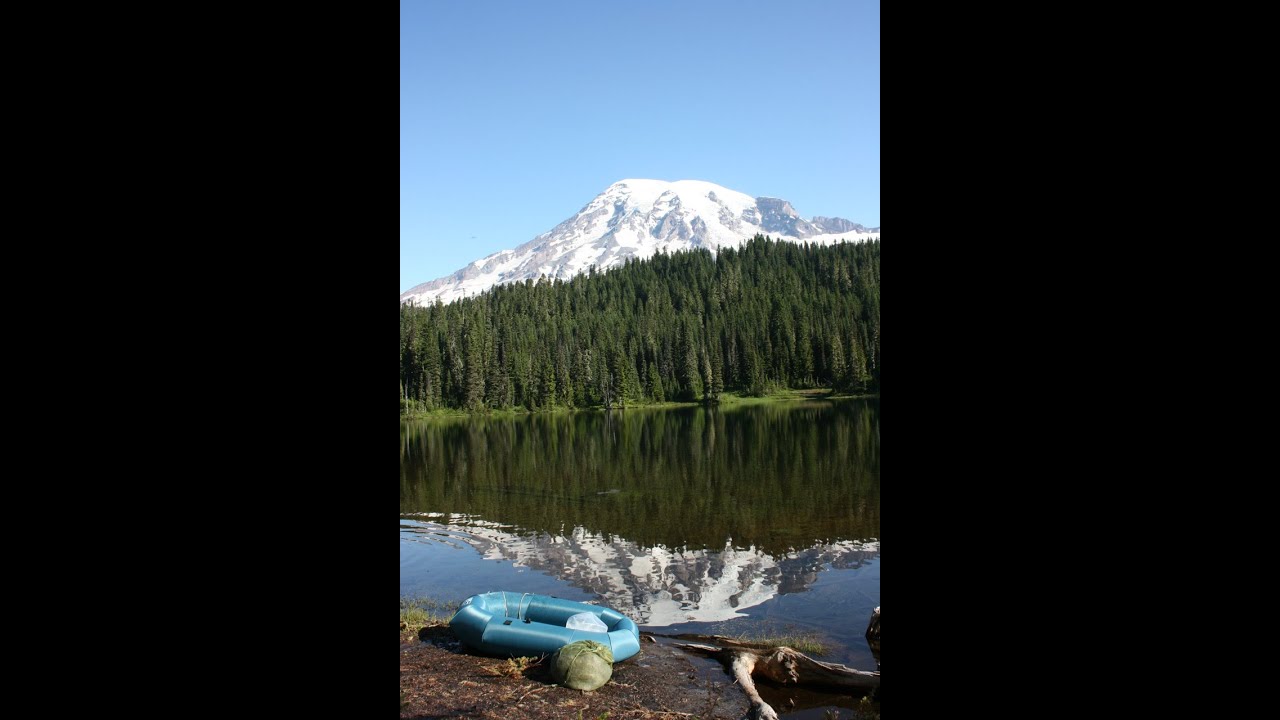
Of all the volcanic hazards associated with Mount Rainier, large lahars pose the greatest risk to communities downstream of the volcano—more than 90,000 people live in areas that could be impacted by a future large lahar. Most lahars have been associated with eruptions except for the ~1507 A.D. landslide-initiated Electron Mudflow, for which no evidence of an associated eruption has been found. Recent studies show that the western flank of Mount Rainier could produce future non-eruptive landslides and associated large lahars down the Puyallup and/or Tahoma Creek drainages, potentially reaching nearby small towns within 5-10 minutes and larger communities within 60 minutes.

The Mount Rainier Lahar Detection System (RLDS) is part of a risk-mitigation strategy pursued by a group of local, State, and Federal agencies since 1998. It consists of several components: 1) a real-time network of tens of seismometers, infrasound arrays, tripwires, webcams, and other instruments located on the flanks of the volcano and along vulnerable drainages operated and upgraded periodically by the U.S. Geological Survey (USGS) Cascades Volcano Observatory (CVO) and the Pacific Northwest Seismic Network; 2) an automated detection system, designed and maintained by CVO, that triggers alarms in two separate county- and State-run 24/7 emergency operations centers; and 3) a set of protocols and inter-agency agreements among CVO, Pierce County (Washington) Department of Emergency Management, and the Washington State Emergency Management Division that delineate each agency’s detection, alerting, and/or warning responsibilities, protocols that are reviewed and tested periodically.

This presentation will give a broad overview of the history and current status of the RLDS, including some of the challenges we have faced in achieving operational objectives.

USGS video: https://www.usgs.gov/media/videos/mou...

Комментарии

Информация по комментариям в разработке

Похожие видео

  • О нас
  • Контакты
  • Отказ от ответственности - Disclaimer
  • Условия использования сайта - TOS
  • Политика конфиденциальности

video2dn Copyright © 2023 - 2025

Контакты для правообладателей [email protected]