Tiny homes, shed conversions, prefab cottages, and barndominiums are more popular than ever—but can you build or park one on land where mobile homes aren’t allowed?
This is a common question, and the answer isn’t always straightforward. Let’s break it down so you can better understand how zoning and land use rules apply—and how to find out what’s allowed on your property or future dream site.
🏡 First Things First: What Counts as a “Tiny Home”?
Tiny homes come in many forms:
THOWs (Tiny Homes on Wheels)
Prefab or modular homes delivered to your land
Converted sheds or garages
Barndominiums, which are metal or pole-frame buildings turned into homes
While they may all look “tiny” or “nontraditional,” how they’re built, placed, and used determines how they’re legally classified.
🧱 Why Zoning Rules Matter
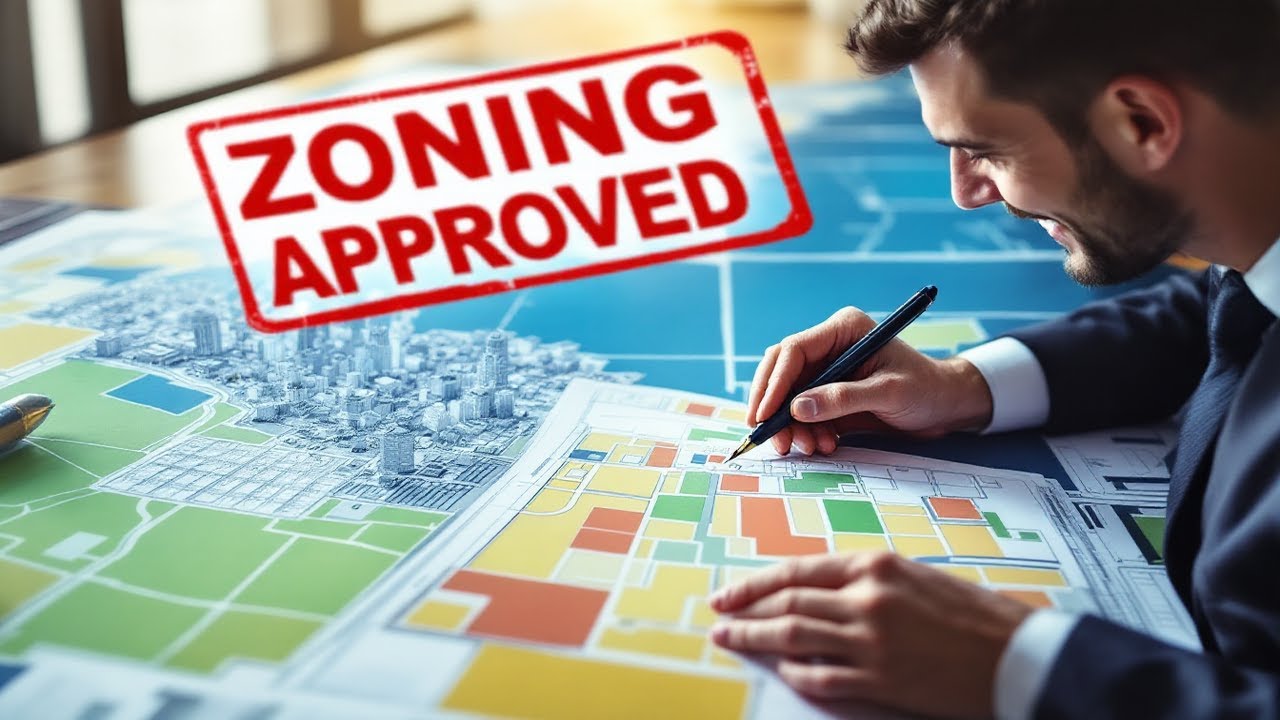
Every city or county has zoning districts—rules that control what kind of buildings are allowed on a piece of land. These rules are often very specific, and some zones prohibit mobile homes, manufactured housing, or “non-permanent structures.”
But here’s the key point:
Just because a tiny home is not a mobile home doesn’t automatically mean it’s allowed.
Zoning laws focus on:
How the structure is built (on-site vs. factory-built)
How it is anchored to the land (permanent foundation vs. on wheels)
How it’s used (full-time residence vs. vacation or backyard cottage)
Whether it meets local building and safety codes
RELATED VIDEOS
• Choosing the Perfect Foundation for Your T...
• Master the Perfect Foundation for Your Tin...
• Видео
🚫 If Mobile Homes Aren’t Allowed, Are Tiny Homes?
Sometimes yes, sometimes no.
Here’s how it typically breaks down:
✅ Allowed – If:
Your tiny home is permanently installed on a foundation
It’s built to meet IRC (International Residential Code) or local building codes
It has required utility hookups (water, sewer/septic, electricity)
It’s treated as a primary dwelling or ADU (Accessory Dwelling Unit) on a lot zoned for residential use
🚫 Not Allowed – If:
It’s on wheels and considered a recreational vehicle or mobile unit
It’s too small to meet minimum square footage requirements (some areas require 600–1000+ sq ft for new builds)
It doesn’t have permanent utility connections or a certificate of occupancy
It’s in a zone that prohibits non-traditional or alternative dwellings
Important note: Many prefab or modular homes are built to code and are allowed where mobile homes are not—but only if they’re installed on a permanent foundation and meet local requirements.
🧾 What Departments Should You Contact?
Before buying land or placing any kind of home, it’s essential to check with local authorities. Start with:
🏛️ City or County Planning and Zoning Department
Ask what zoning district your property falls under
Request the permitted uses in that zone (residential, agricultural, commercial, etc.)
Ask whether mobile homes, modular homes, or tiny homes are allowed
Ask about minimum size requirements, setbacks, and foundation rules
🏗️ Building Department or Code Enforcement
Find out what building codes your structure must meet
Ask whether they accept modular homes or shed-to-home conversions
Request information on permits, inspections, and occupancy requirements
🚰 Health Department (for Septic Approval)
If you won’t be on city sewer, you’ll need approval for a septic system
They’ll evaluate whether your land “perks” for septic use
💧 Public Works or Utilities Department
Ask about water, electric, and gas hookup availability or fees
🔍 Other Common Restrictions to Watch Out For
HOAs (Homeowners Associations) may ban tiny homes, ADUs, or any home under a certain size
Minimum dwelling size laws can block tiny homes under 600–1000 sq ft
Deed restrictions or covenants may limit what type of home you can build
Flood zones or environmentally sensitive areas may require special permitting
Road access and emergency vehicle access rules can apply, especially in rural areas
✅ Tips Before You Buy or Build
Always get zoning and code rules in writing before making big decisions
Don’t assume rural land = no rules (counties still regulate building and land use!)
Look for properties with a zoning designation like "Rural Residential," "Residential-Agricultural," or "Unrestricted" (but verify)
🏡 For more information, Read Building a Tiny Home https://www.amazon.com/dp/B0F78SBNL9
You will find:
Smart planning and budgeting tips for every step of the build
Worksheets, guides and checklists for research, planning, construction, and moving in
Mistakes to avoid and important things to consider about 'living tiny"
#tinyhomes #tinyhomebuild #livingtiny

Информация по комментариям в разработке