Logo video2dn
  • Сохранить видео с ютуба
  • Категории
    • Музыка
    • Кино и Анимация
    • Автомобили
    • Животные
    • Спорт
    • Путешествия
    • Игры
    • Люди и Блоги
    • Юмор
    • Развлечения
    • Новости и Политика
    • Howto и Стиль
    • Diy своими руками
    • Образование
    • Наука и Технологии
    • Некоммерческие Организации
  • О сайте

Скачать или смотреть inFact: Organic Food Myths

  • inFact with Brian Dunning
  • 2011-05-13
  • 68460
inFact: Organic Food Myths
organicorganic foodfoodiemonsantoInFactCookingGenetically Modified Organism (Film Subject)
  • ok logo

Скачать inFact: Organic Food Myths бесплатно в качестве 4к (2к / 1080p)

У нас вы можете скачать бесплатно inFact: Organic Food Myths или посмотреть видео с ютуба в максимальном доступном качестве.

Для скачивания выберите вариант из формы ниже:

  • Информация по загрузке:

Cкачать музыку inFact: Organic Food Myths бесплатно в формате MP3:

Если иконки загрузки не отобразились, ПОЖАЛУЙСТА, НАЖМИТЕ ЗДЕСЬ или обновите страницу
Если у вас возникли трудности с загрузкой, пожалуйста, свяжитесь с нами по контактам, указанным в нижней части страницы.
Спасибо за использование сервиса video2dn.com

Описание к видео inFact: Organic Food Myths

Everyone says organic food is better for you and better for the environment. But is that true, or is it just eco-marketing rhetoric? http://infactvideo.com

Organic food is now a huge market segment, driven by consumer demand for food that's healthier.

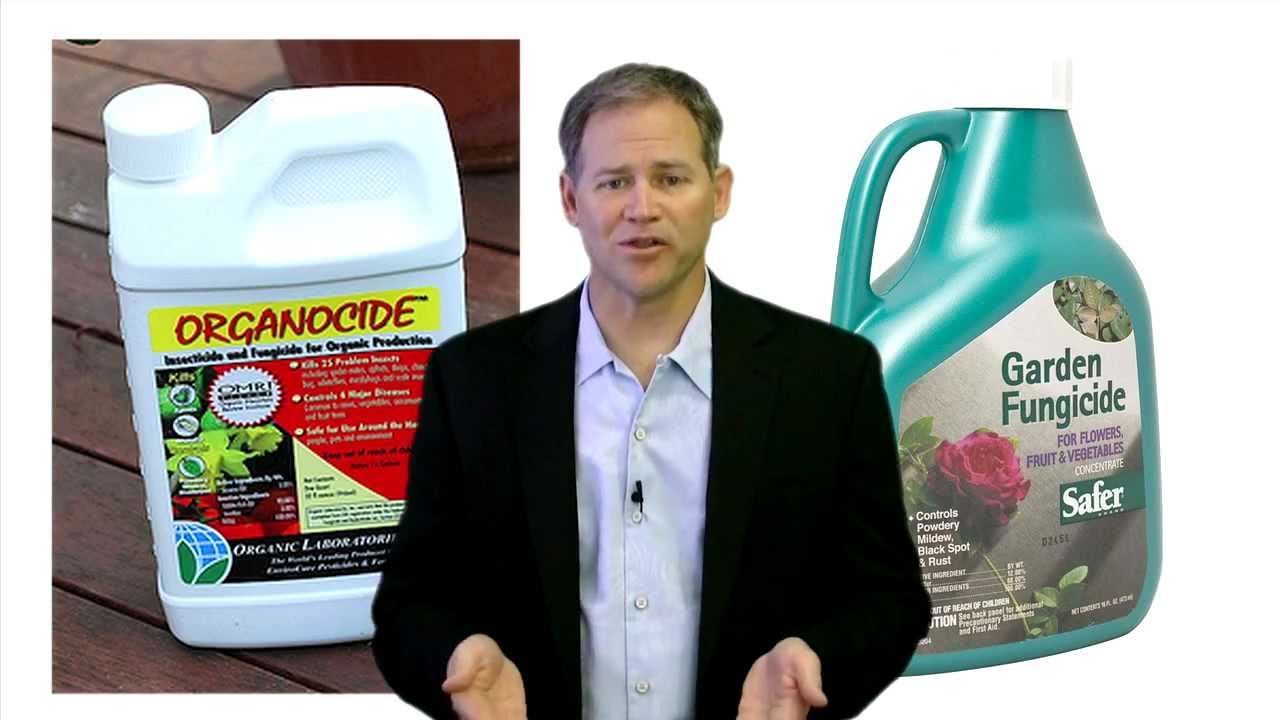
The biggest misconception held by many organic lovers is that organic produce is not grown with fertilizers or pesticides. That's simply wrong. Organic fertilizers and pesticides are manufactured by all the major producers. Pests attack crops whether they're certified organic or not; and all plants take nutrients out of the soil that have to be replaced.

Many think organic farms handle that through soil management. And so they do, but so do all farms. Every farm rotates crops as much as possible to keep the soil healthy and reduce pest proliferation; by no means is this unique to organics. It's been a farming fundamental for centuries.

Chemicals are one of a farm's biggest expenses, and both organic and conventional farms strive to reduce that expense. Modern agriculture depends on efficient fertilizers that deliver the needed nutrient load with a minimum of waste and runoff; and newly developed seed strains that thrive with less fertilizer and that are naturally resistant to pests.

Organic practices, however, prohibit both of these innovations, restricting farmers to less efficient fertilizers made from post-consumer and animal waste, and banning the use of the newest crop strains. Why? Because that's what organic is. It was never about farming in the best way we know how; it's about farming in a particular way, that rejects modern developments. The National Organic Program is managed under the USDA's Agricultural Marketing Service. Organic is about marketing, not about science, not about health.

Not that there's anything wrong with that. If organic is what you want, great, enjoy; that's why the food producers are making it for us, because people want it, and it's great to have such choices.

At the end of the day, there's no real difference. The Internet's full of videos where volunteers can't tell organic from conventional produce in blinded tests. Daily variations in produce quality are much larger than any inherent difference between organic and conventional. And yes, you can find studies that show organic food is healthier, but to find them, you have to dig past a much larger number of studies that find no difference at all.

Buy and enjoy whichever you prefer, just don't be fooled by bad science and marketing rhetoric.

Комментарии

Информация по комментариям в разработке

Похожие видео

  • О нас
  • Контакты
  • Отказ от ответственности - Disclaimer
  • Условия использования сайта - TOS
  • Политика конфиденциальности

video2dn Copyright © 2023 - 2025

Контакты для правообладателей [email protected]