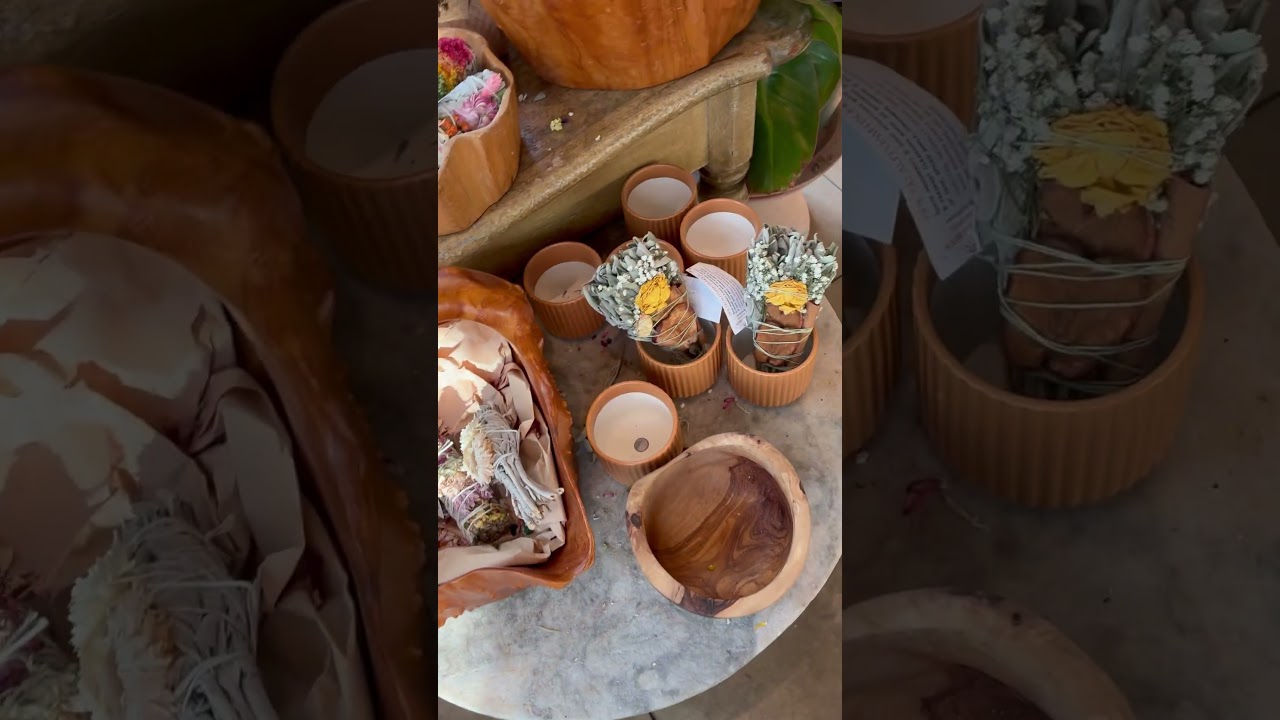
Souvenir’s Shop in New York Botanical Gardens, Bronx. Tram Tours. complete history, information, investment, culture.
Founding and Early Years
The New York Botanical Garden (NYBG) was founded in 1891 and is located in the Bronx, New York City.
Its establishment was inspired by the Royal Botanic Gardens, Kew (London). The vision came from Nathaniel Lord Britton, a Columbia University botanist, and his wife, Elizabeth Knight Britton, a moss expert.
The Brittons campaigned for a grand public garden and science institution, and with city and private support, 250 acres in the Bronx were set aside for this purpose.
Development of the Garden
1896: The Garden officially opened to the public.
Enid A. Haupt Conservatory (1902) – This iconic glasshouse, modeled after structures at Kew and Italy’s Crystal Palace, became a centerpiece of NYBG. It was restored in the 1990s.
LuEsther T. Mertz Library – Established early on, it is now one of the world’s largest and most comprehensive botanical libraries, housing rare books, manuscripts, and botanical illustrations dating back centuries.
Scientific Contributions
From its beginnings, NYBG was envisioned as both a public attraction and a center for scientific research.
Its Herbarium is one of the largest in the world, with more than 7.8 million specimens, used by scientists globally to study plant diversity, ecology, and conservation.
NYBG researchers work internationally on biodiversity projects, rainforest conservation, and endangered plant species preservation.
Modern Growth and Education
Today, NYBG covers 250 acres, with over one million living plants.
It has themed gardens like the Rock Garden, Rose Garden, Thain Family Forest (the largest remaining tract of old-growth forest in NYC), and seasonal exhibitions like the Holiday Train Show and the Orchid Show.
NYBG also plays a major role in education, offering programs for children, adults, and professionals in horticulture and plant sciences.
Recognition.
NYBG is a National Historic Landmark.
It attracts over one million visitors annually and is recognized as one of the world’s leading botanical gardens.
✨ In short, the New York Botanical Garden is not only a beautiful escape in New York City but also a global leader in plant science, conservation, and education.
New York Botanical Gardens Timeline!
1891 – New York State Legislature charters the New York Botanical Garden, inspired by Nathaniel & Elizabeth Britton after visiting Kew Gardens in London.
1895 – Land is acquired in the Bronx (250 acres), including the old-growth forest now known as the Thain Family Forest.
1896 – The Garden officially opens to the public.
1902 – The Enid A. Haupt Conservatory (then called the Palm House) opens, becoming the architectural jewel of NYBG.
1932 – The Garden begins large-scale plant exploration and scientific research worldwide.
1950s–1960s – Major growth of the LuEsther T. Mertz Library, which becomes one of the most important botanical libraries in the world.
1970s – NYBG strengthens its role in conservation and environmental education.
1981 – NYBG designated a National Historic Landmark for its cultural and scientific importance.
1990s – Restoration of the Haupt Conservatory and expansion of modern exhibitions (Orchid Show, Holiday Train Show).
2006 – NYBG establishes its Center for Conservation Strategy, working globally to protect endangered plants and ecosystems.
2010s–Present – NYBG expands education, research, and exhibitions. The Herbarium surpasses 7.8 million specimens, one of the largest worldwide.
🌍 Today – NYBG welcomes over 1 million visitors annually, continues to be a hub of beauty and science, and leads international efforts in biodiversity, climate change, and plant-based research.

Информация по комментариям в разработке