In the ever-evolving world of video games, inspiration can often blur the line with outright imitation. Today, we delve into a high-stakes legal battle between two gaming giants: Sony and Tencent. At the heart of the dispute lies "Light of Motiram," a futuristic open-world game developed by Tencent's Polaris Quest studio, which Sony alleges is a blatant copy of its critically acclaimed "Horizon" series.
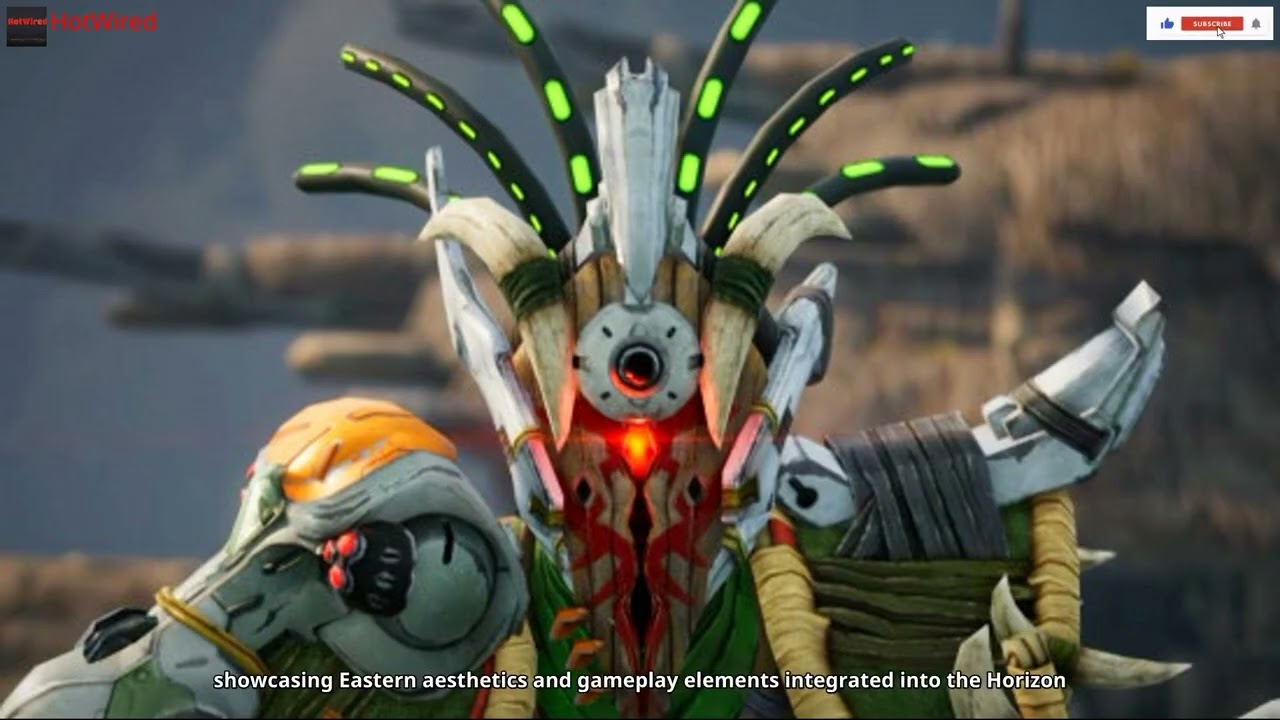
Announced seven months ago, Light of Motiram immediately drew comparisons to Horizon Zero Dawn and Horizon Forbidden West. The similarities are striking: cybernetic animals roaming a lush, futuristic landscape, a female protagonist in tribal-inspired attire wielding advanced weaponry, and a distinct visual style that echoes the PlayStation exclusive franchise. These similarities, however, have led Sony to file a lawsuit against Tencent, seeking to halt the release of Light of Motiram and demanding substantial financial compensation.
Filed on July 25th, the lawsuit accuses Light of Motiram of being a “slavish clone,” illegally replicating core elements of the Horizon intellectual property. The accusations go deeper. Sony claims Tencent, through its Aurora Studios, approached them in 2024 with a proposal to develop a mobile Horizon spin-off. This proposal, according to Sony, included mock-ups showcasing Eastern aesthetics and gameplay elements integrated into the Horizon universe. Sony rejected the proposal, only to see, they claim, a remarkably similar game emerge under the Light of Motiram banner.
The lawsuit highlights specific points of contention. While the protagonists differ in hair color and length, their costumes share similarities, particularly the prevalence of brown leather. Furthermore, a helmet worn by Light of Motiram's protagonist bears a striking resemblance to Aloy's attire, and Tencent’s marketing materials heavily feature this look. Sony is demanding the destruction of these marketing materials as part of its legal action.
Interestingly, the similarities don't stop at Horizon. Light of Motiram also incorporates elements reminiscent of other popular games, such as the glider from "The Legend of Zelda: Breath of the Wild" and a vehicle akin to Destiny 2's sparrow. However, Tencent has incorporated its own elements, including co-op gameplay, base-building, and a heavy emphasis on crafting, attempting to differentiate itself. But the undeniable resemblance to Horizon, fueled by numerous online comments labeling the game a "shameless copy," forms the crux of Sony's legal argument.
This case highlights the complex issues surrounding inspiration and intellectual property in the gaming industry. While borrowing elements from existing works is common, the line between homage and infringement can be exceptionally thin. The outcome of this lawsuit will not only impact the fate of Light of Motiram but also set a significant precedent for future game development and legal battles within the industry. The court's decision will be keenly watched by developers and publishers worldwide.

Информация по комментариям в разработке