Müllerian Anomalies 🧬 | Uterine Development & Classification | USMLE NEET-PG
This lecture provides a comprehensive and exam-oriented overview of Müllerian anomalies, focusing on the developmental anatomy, classification, clinical presentation, diagnosis, and reproductive implications, making it highly relevant for USMLE, NEET-PG, FMGE, INI-CET, and MBBS students 🧬. The content is structured to build strong embryological concepts with direct clinical correlation, which is essential for solving both MCQs and case-based questions.
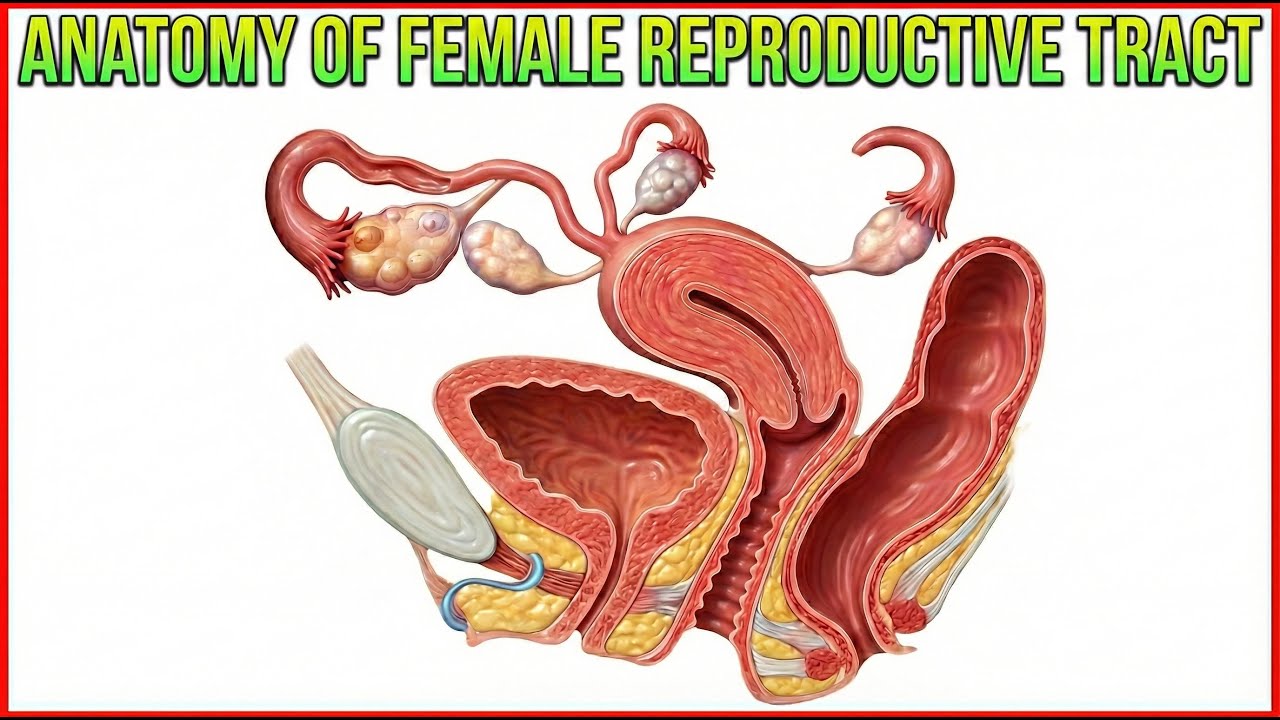
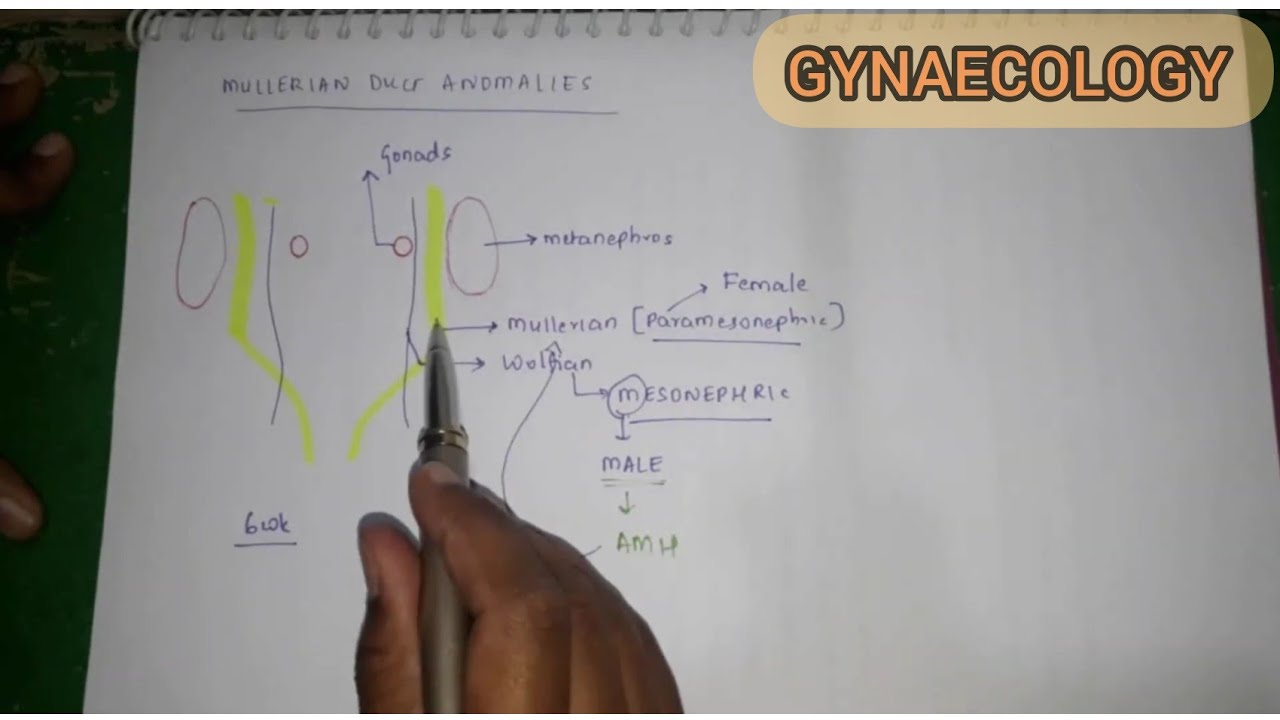
The session begins with a clear explanation of normal embryological development of the Müllerian (paramesonephric) ducts, including their formation, fusion, canalization, and resorption of the midline septum. Understanding these steps helps in logically deriving the different types of uterine anomalies and avoids rote memorization, a common requirement in competitive exams.
The lecture then systematically covers Müllerian duct anomalies, explaining conditions such as agenesis or hypoplasia (MRKH syndrome), unicornuate uterus, uterus didelphys, bicornuate uterus, septate uterus, and arcuate uterus. Each anomaly is linked to the specific embryological defect, such as failure of formation, failure of fusion, or failure of septal resorption, which is a high-yield concept frequently tested in gynecology and embryology.
Clinical relevance is emphasized by discussing how these anomalies present in real life, including primary amenorrhea, infertility, recurrent pregnancy loss, preterm labor, malpresentation, dysmenorrhea, and obstetric complications 📌. The lecture highlights which anomalies are commonly associated with poor reproductive outcomes and which ones have a relatively normal prognosis, an important distinction for exams and clinical practice.
Diagnostic approaches are explained conceptually, focusing on ultrasound, 3D ultrasound, MRI, hysterosalpingography, and hysteroscopy, with emphasis on why MRI is the gold standard for Müllerian anomalies. Associations with renal and urinary tract anomalies are also discussed, reinforcing integrated embryological learning.
Management principles are briefly outlined, particularly when surgical correction is indicated, such as hysteroscopic septal resection in septate uterus, while clarifying why surgery is not recommended for certain anomalies. This balanced approach helps students answer management-based and counseling-related questions confidently.
Overall, this lecture provides a concept-driven, clinically integrated understanding of Müllerian anomalies, ensuring clarity for gynecology exams, clinical rotations, and postgraduate entrance tests.
This lecture covers all key topics important for USMLE, FMGE, NEET-PG, and MBBS students.
#MullerianAnomalies #MullerianDuctAnomalies #Gynecology #ObGyn #UterineAnomalies #Embryology #ReproductiveAnatomy #MRKH #SeptateUterus #BicornuateUterus #UnicornuateUterus #UterusDidelphys #ArcuateUterus #PrimaryAmenorrhea #Infertility #RecurrentPregnancyLoss #ObstetricComplications #GynecologyExams #ClinicalGynecology #MedicalEducation #MBBS #USMLE #USMLEStep1 #USMLEStep2CK #NEETPG #FMGE #INICET #NEXTExam #BoardExams #ResidencyPrep #IMG #InternationalMedicalGraduate #ConceptBasedLearning #ExamPreparation #Medicine #WomenHealth #ReproductiveMedicine #MedSchool #GlobalMedicalEducation #medschoolsimplified #medschoolsimplified007












Информация по комментариям в разработке