A zoom recording of the online class given to architectural students from Universities Pelita Harapan (UPH) in Jakarta in September 2022. This class covers:
The State of Planetary Boundaries
Our Planetary Boundaries are under severe threat. These threats are caused by human activities, within just the last 50 years.
Biochemical Flows: Freshwater sources and the ocean are experiencing eutrophication a key contributor to one of the world's five previous mass extinction events
Biodiversity: In just 50 years, we have wiped out 68% of our wildlife populations. Pollinators are at serious risk.
Land System Change: We continue expanding agriculture in natural ecosystems, we have already cleared almost 40% of forest cover. The Amazon could release 200 billion tons of carbon over the next 30 years.
Climate Change: Surface temperature of Earth has increased 0.8˚C since 1880, after 10,000 years of stability. We are rapidly approaching 1.5˚C (the limit before tipping point), we have a maximum of 30 years to fix this.
Ocean Acidification: Causes mass extinctions. Over the past few decades, our oceans have become 26% more acidic.
Novel Entities: Humans have created 100,000 new materials including nuclear waste, organic pollutants, heavy metals, microplastics.
Freshwater Use: We are rapidly moving towards a danger zone, especially rapid impacts are seen on islands like Bali.
Climate Change Predictions
Sea Levels rise 30-60cm by 2100
Drought displaces 700M people by 2030
Major disasters +40% from 2015 - 2030
1.5˚C: 70%-90% coral reefs gone, If 2˚C: all gone
Global temperatures rise leading to even more extreme weather
Meanwhile, in 2021 our energy related CO2 emissions INCREASED 6% (highest level ever)
Source: The Sustainable Development Goals Report 2022
WE NEED TO ACHIEVE MAJOR DEVELOPMENT & LIFESTYLE CHANGES IN THIS NEXT JUST A FEW YEARS TO AFFECT THESE TRENDS
Sustainable Design Principle Considerations
Eliminate Biochemical Flows: organic, sustainable food production
Regenerate biodiversity: Landscapes & green zones, Minimize land conversion, Plant billions of trees! Eat less red meat & starchy foods
Cut our CO2 emissions by half every decade: Materials selection & local sourcing, Passive cooling & lighting, Renewable energy
Conserve fresh water: Rainwater Harvesting, Water efficient sanitary ware
Reduce pollution (zero waste)
Protected from future flood lines
Founding the Taman Petanu Eco Neighborhood
What Is the Taman Petanu Eco Neighborhood?
A living lab & learning space for ecological, economic & social experiments in eco sensitive development and living in Indonesia
Taman Petanu Development First Steps
Member #1 The Earth! Permaculture Input
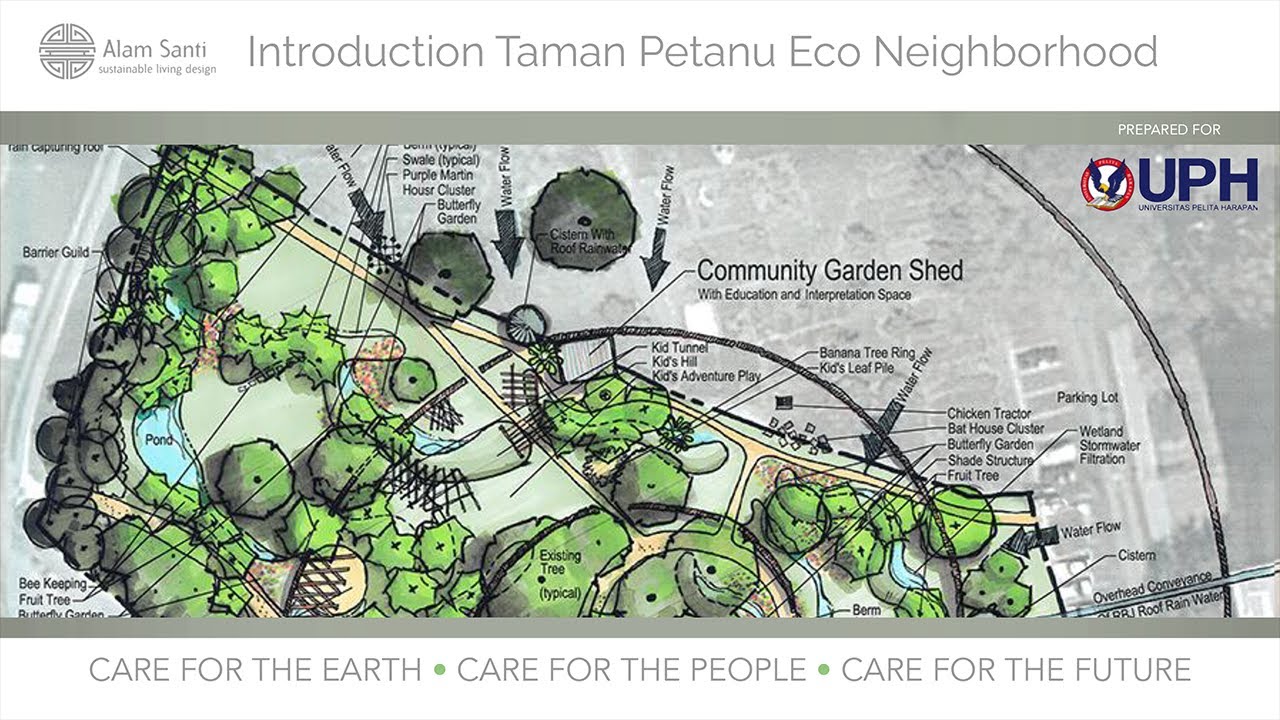
TPEN’s Permaculture Plan Detail View
TPEN Legal Structure & Key Guiding Documents
Taman Petanu’s Social Structure
Local Community Outreach in Kemenuh
Applied Eco Tech: Design, Construction, Living
Eco Tech Innovations: Even though this took a lot of extra time, consideration and learning, we always made an effort to ensure that our systems were as earth friendly as they could possibly be
Low Carbon Footprint: Whenever possible the materials & labor used were sourced locally to support local craftsmanship and reduce environmental footprint, each material was graded for impact
Energy Use Minimization: Our site planning and building placement put primary emphasis on making the most of natural elements & optimizing passive cooling & lighting to reduce energy use
Waste Management: The site includes integrated systems for both solid and liquid waste management + reducing plastic. This includes separation, upcycling and composting as well as potable water on tap.
Applied Eco Tech: Regenerative Systems
Nature as the No1 Concern: At each step of design planning, development and maintenance seeking & optimizing options for working with, rather than against, nature
Eco-logical Landscapes: Flora & fauna rehabilitation, natural water cleansing, stormwater management, with organic, productive and beautiful landscapes
Trees & Biodiversity: We have now planted over 2,500 functional, indigenous trees on the TPEN site, pollinators are abundant around the area
Ecofarm integration: The sustainable farm was designed in collaboration with local farmers & permaculture experts, & it provides TPEN & others with nutritious food
Applied Eco Tech: Wise Water Systems
Rainwater Harvesting: The common facilities & some homes on site are fully self sufficient for their water needs, reducing water table stress
Water Saving Systems: Low flow showers & taps, unique urine diversion toilets, small sinks, grey water for garden irrigation
Wastewater Treatment: Our systems save a lot of water for irrigation and converting human wastes into valuable nutrient resources
Biological Swimming Pool: Our pool is a unique, 100% natural swimming pool that cleanses water following nature’s wisdom

Информация по комментариям в разработке