"Tomorrow’s Bengal, Yesterday’s Kashmir: A Demographic Echo of History"
"Demography is destiny." This axiom is no longer a theoretical caution—it is unfolding in real time. The warning signs are emerging from Bengal’s border districts, where shifts in population composition, political behavior, and cultural assertion suggest a transformation with deep historical roots.
Today’s Kashmir was once a pluralistic, multi-religious society. Over the decades, political instability, demographic changes, and religious radicalism culminated in the exodus/genocide of Kashmiri Pandits in the late 1980s and early 1990s.
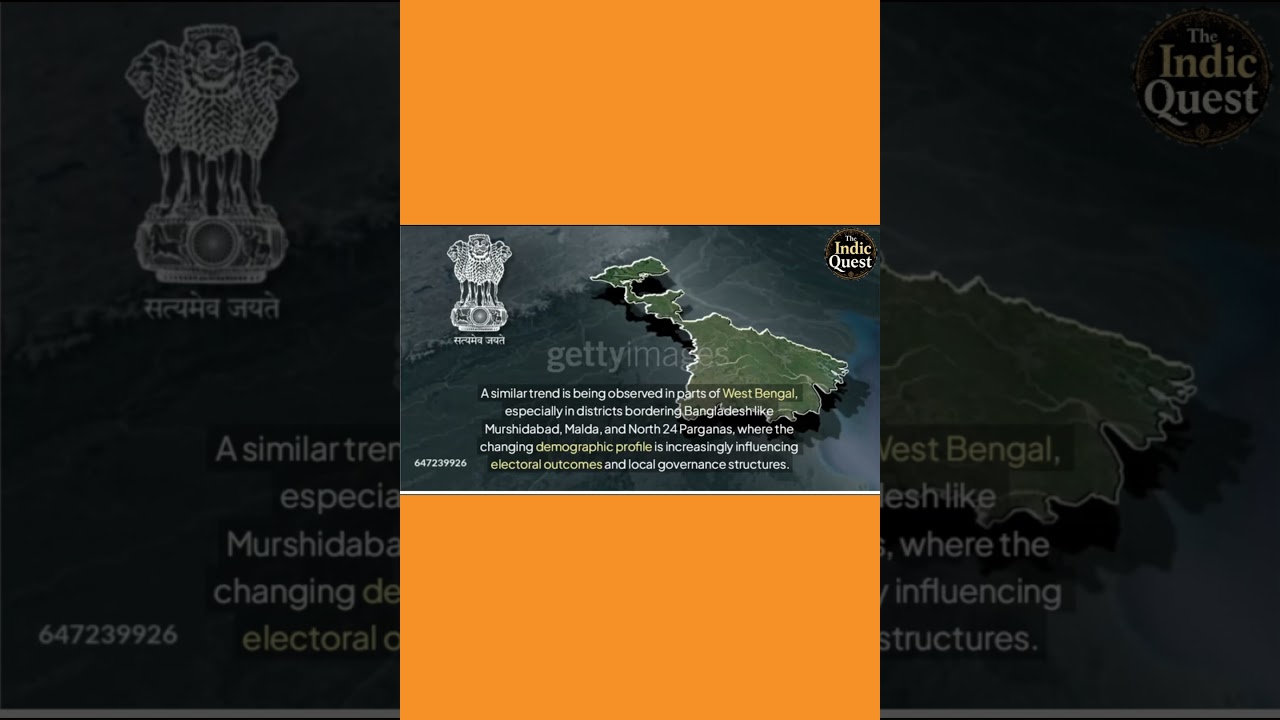
A similar trend is being observed in parts of West Bengal, especially in districts bordering Bangladesh like Murshidabad, Malda, and North 24 Parganas, where the changing demographic profile is increasingly influencing electoral outcomes and local governance structures.
This is not a recent development. The socio-political tensions in Bengal date back to the 1940s, beginning with the Direct Action Day (August 16, 1946), which saw widespread communal violence in Calcutta, leading to deepening divides between communities.
The subsequent partition of Bengal in 1947 left scars that never fully healed, with a steady stream of migration and demographic fluidity continuing for decades.
Murshidabad, once a princely seat of Bengali Nawabs, is today emblematic of this historical continuity. Its current demography and political alignment reflect the century-long transformation that began with colonial policies, communal politics, and post-partition migrations.
The lesson from Kashmir is not just about politics—it is about the irreversible nature of unchecked demographic shifts in volatile border zones. When identity becomes the primary axis of political power, history doesn't just rhyme—it returns with consequence.
Translation in bengali
বাংলার ভূগোল বদলাচ্ছে, ইতিহাস কি আবার ফিরছে?
"জনসংখ্যা-ই ভাগ্য নির্ধারণ করে।"—এই কথাটি এখন আর নিছক তাত্ত্বিক আলোচনার বিষয় নয়। বাংলার সীমান্তবর্তী জেলাগুলিতে যা ঘটছে, তা এই আপ্তবাক্যের বাস্তব রূপায়ণ। মুর্শিদাবাদ, মালদা, উত্তর ২৪ পরগনা—এই জেলার সমাজ ও রাজনীতিতে যে পরিবর্তন দেখা যাচ্ছে, তা কেবল সাম্প্রতিক নয়, বরং একটি শতবর্ষ পুরনো ইতিহাসের ধারাবাহিকতা।
কাশ্মীর ছিল একসময় বহু ধর্মের সহাবস্থানের প্রতীক। কিন্তু রাজনৈতিক অনিশ্চয়তা, ধর্মীয় চরমপন্থা ও জনসংখ্যাগত ভারসাম্যের পতনের কারণে ১৯৮০-৯০-এর দশকে সেখানে ঘটে কাশ্মীরি পণ্ডিতদের নির্বাসন ও গণহত্যার মত ঘটনা। আজকের কাশ্মীর হয়ে উঠেছে ইতিহাসের এক বেদনার প্রতিচ্ছবি।
পশ্চিমবঙ্গ কি সেই পথেই এগোচ্ছে? বিশেষজ্ঞদের একাংশ মনে করছেন, সীমান্তবর্তী জেলাগুলিতে যেভাবে জনসংখ্যার কাঠামো বদলাচ্ছে, তাতে শুধু নির্বাচনের ফলাফল নয়, স্থানীয় প্রশাসন এবং সামাজিক পরিবেশেও আমূল পরিবর্তন দেখা যাচ্ছে। রাজনৈতিক পৃষ্ঠপোষকতা ও প্রশাসনিক নীরবতা এই রূপান্তরকে আরও ত্বরান্বিত করেছে।
এই পরিবর্তনের সূচনা কিন্তু অনেক আগেই। ১৯৪৬ সালের ১৬ আগস্টের ‘ডাইরেক্ট অ্যাকশন ডে’—কলকাতায় ঘটে যাওয়া ভয়াবহ দাঙ্গা—বাংলার রাজনৈতিক ইতিহাসে একটি টার্নিং পয়েন্ট। এরপর আসে দেশভাগ। পূর্ব বাংলা থেকে নিরবচ্ছিন্ন শরণার্থী প্রবাহ, পশ্চিমবঙ্গের জনসংখ্যায় দীর্ঘস্থায়ী পরিবর্তন এনেছে। তবু, সেই প্রক্রিয়া কখনোই পুরোপুরি থেমে যায়নি।
মুর্শিদাবাদ, যা একসময় বাংলার নবাবদের গর্ব ছিল, আজ সেই দীর্ঘ পরিবর্তনের প্রতীক হয়ে উঠেছে। এখানকার বর্তমান জনমিতি ও রাজনৈতিক চরিত্র দেখলে বোঝা যায়—ঔপনিবেশিক শাসন, সাম্প্রদায়িক রাজনীতি এবং স্বাধীনতার পরবর্তী অভিবাসন কীভাবে বাংলার সমাজ কাঠামোকে বদলে দিয়েছে।
কাশ্মীরের অভিজ্ঞতা আমাদের শিখিয়েছে—যখন কোনও ভূখণ্ডে পরিচয় ও সংখ্যাই হয়ে ওঠে ক্ষমতার প্রধান সূত্র, তখন ইতিহাস কেবল পুনরাবৃত্তি হয় না, রচিত হয় তার ভয়ঙ্কর প্রতিচ্ছবিও।
বাংলা কি তবে একটি নতুন সন্ধিক্ষণে দাঁড়িয়ে?

Информация по комментариям в разработке