Logo video2dn
  • Сохранить видео с ютуба
  • Категории
    • Музыка
    • Кино и Анимация
    • Автомобили
    • Животные
    • Спорт
    • Путешествия
    • Игры
    • Люди и Блоги
    • Юмор
    • Развлечения
    • Новости и Политика
    • Howto и Стиль
    • Diy своими руками
    • Образование
    • Наука и Технологии
    • Некоммерческие Организации
  • О сайте

Скачать или смотреть Glover, Dahlgren & Smith 2015 Clarion-Clipperton Zone DNA Taxonomy

  • Deep Sea ID
  • 2015-12-17
  • 1420
Glover, Dahlgren & Smith 2015 Clarion-Clipperton Zone DNA Taxonomy
Taxonomy (Field Of Study)Clipperton Island (Island)DNA (Chemical Compound)Oceanography (Field Of Study)Marine Biology (Field Of Study)Clipperton Fracture Zonedeep-seaMining (Industry)Biodiversity (Literature Subject)Zoology (Field Of Study)Photography (Visual Art Form)
  • ok logo

Скачать Glover, Dahlgren & Smith 2015 Clarion-Clipperton Zone DNA Taxonomy бесплатно в качестве 4к (2к / 1080p)

У нас вы можете скачать бесплатно Glover, Dahlgren & Smith 2015 Clarion-Clipperton Zone DNA Taxonomy или посмотреть видео с ютуба в максимальном доступном качестве.

Для скачивания выберите вариант из формы ниже:

  • Информация по загрузке:

Cкачать музыку Glover, Dahlgren & Smith 2015 Clarion-Clipperton Zone DNA Taxonomy бесплатно в формате MP3:

Если иконки загрузки не отобразились, ПОЖАЛУЙСТА, НАЖМИТЕ ЗДЕСЬ или обновите страницу
Если у вас возникли трудности с загрузкой, пожалуйста, свяжитесь с нами по контактам, указанным в нижней части страницы.
Спасибо за использование сервиса video2dn.com

Описание к видео Glover, Dahlgren & Smith 2015 Clarion-Clipperton Zone DNA Taxonomy

Recent years have seen increased survey and sampling expeditions to the Clarion-Clipperton Zone (CCZ), central Pacific Ocean abyss, driven by commercial interests from contractors in the potential extraction of polymetallic nodules in the region. Part of the International Seabed Authority (ISA) regulatory requirements are that these contractors undertake environmental research expeditions to their CCZ exploration claims following guidelines approved by the ISA Legal and Technical Commission (ISA, 2010). Section 9 (e) of these guidelines instructs contractors to “…collect data on the sea floor communities specifically relating to megafauna, macrofauna, meiofauna, microfauna, nodule fauna and demersal scavengers”.

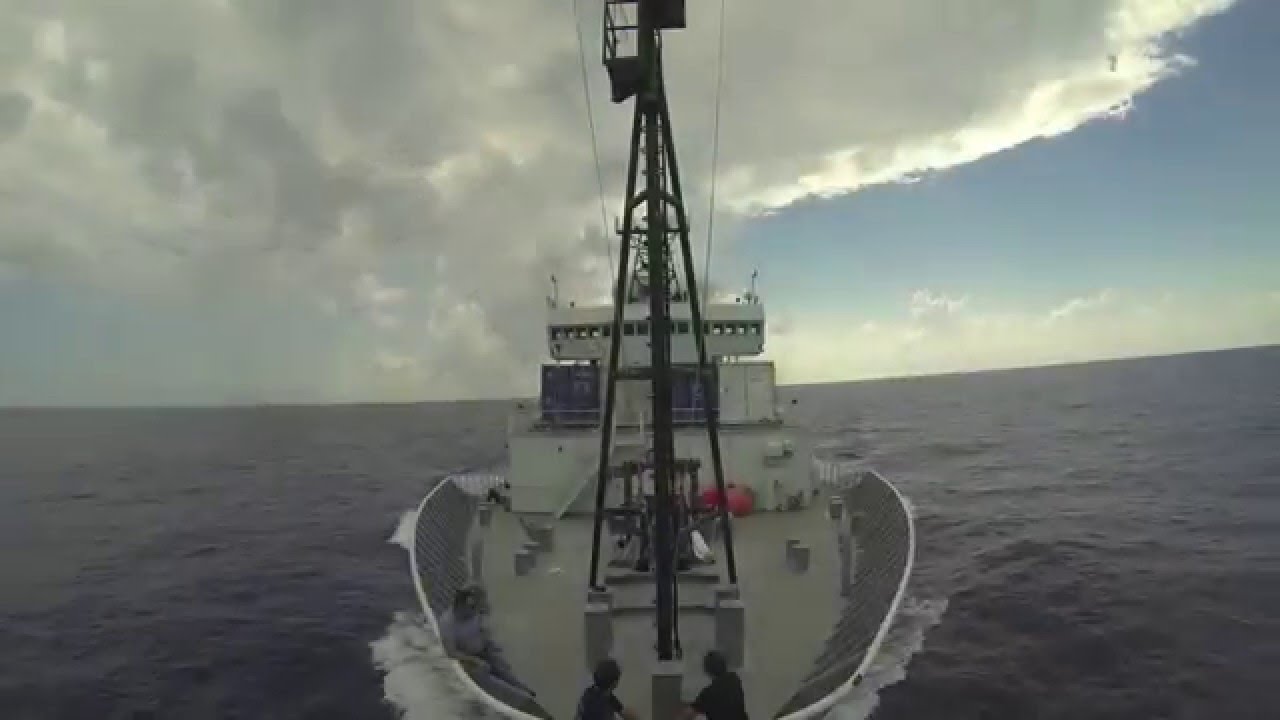
There are a number of methodological challenges to this, including the water depth (4000–5000 m), extremely warm surface waters (~28 °C) compared to bottom water (~1.5 °C) and great distances to ports requiring a large and long seagoing expedition with only a limited number of scientists. Both scientists and regulators have recently realized that a major gap in our knowledge of the region is the fundamental taxonomy of the animals that live there; this is essential to inform our knowledge of the biogeography, natural history and ultimately our stewardship of the region. Recognising this, the ISA is currently sponsoring a series of taxonomic workshops on the CCZ fauna and to assist in this process we present here a series of methodological pipelines for DNA taxonomy (incorporating both molecular and morphological data) of the macrofauna and megafauna from the CCZ benthic habitat in the recent ABYSSLINE cruise program to the UK-1 exploration claim.

A major problem on recent CCZ cruises has been the collection of high-quality samples suitable for both morphology and DNA taxonomy, coupled with a workflow that ensures these data are made available. The DNA sequencing techniques themselves are relatively standard, once good samples have been obtained. The key to quality taxonomic work on macrofaunal animals from the tropical abyss is careful extraction of the animals (in cold, filtered seawater), microscopic observation and preservation of live specimens, from a variety of sampling devices by experienced zoologists at sea.

Essential to the long-term iterative building of taxonomic knowledge from the CCZ is an “end-to-end” methodology to the taxonomic science that takes into account careful sampling design, at-sea taxonomic identification and fixation, post-cruise laboratory work with both DNA and morphology and finally a careful sample and data management pipeline that results in specimens and data in accessible open museum collections and online repositories.

Box core procedures and recommendations are based on the protocols used and developed by the Craig R. Smith Lab, University of Hawaii.

Комментарии

Информация по комментариям в разработке

Похожие видео

  • О нас
  • Контакты
  • Отказ от ответственности - Disclaimer
  • Условия использования сайта - TOS
  • Политика конфиденциальности

video2dn Copyright © 2023 - 2025

Контакты для правообладателей [email protected]