This case study traces the remarkable journey of Netflix from a simple DVD rental service in the late 1990s to a global streaming powerhouse, examining its pivotal strategic shifts and disruptive innovations that redefined the entertainment industry. It highlights the company's entrepreneurial spirit, its ability to pivot from mail-order to digital streaming, and the critical role of data in its content creation and distribution models
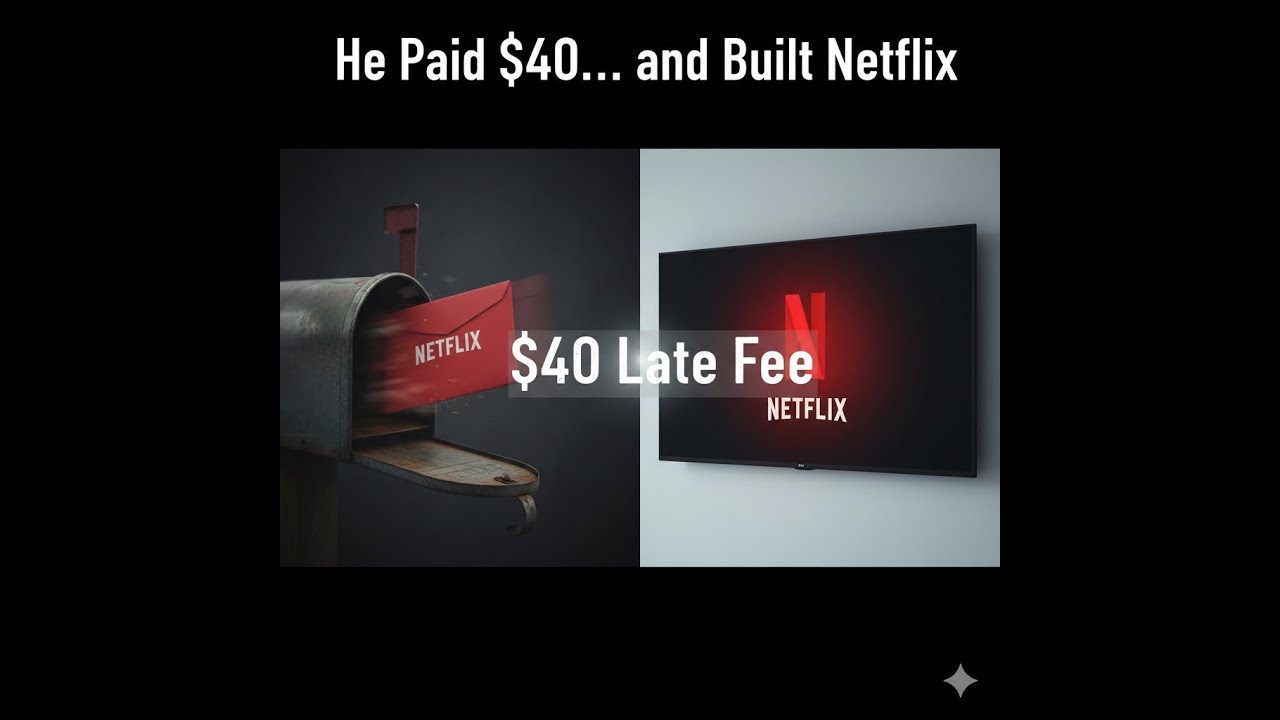
Back in 1997, a company called Netflix started with a crazy idea: forget video stores and those nasty late fees! If you're old enough, you remember the sheer panic of racing to Blockbuster before closing time on a Sunday. Netflix's founders, Marc Randolph and Reed Hastings, saw a huge problem and decided to solve it with a neat little invention: the monthly subscription model.
Think about it: for a single fee, you could rent DVDs through the mail, and you could keep them as long as you wanted. No deadlines, no fines. This wasn't just a convenience; it was a fundamental shift in how people consumed movies. It was the first true disruption to the video rental market.
The early days were tough, as they are for any startup. Sending DVDs through the mail was a logistical nightmare. But Netflix kept innovating, building its famous queue system and learning what customers liked. They even offered to sell themselves to Blockbuster for a mere $50 million in 2000, which, hilariously now, Blockbuster turned down. That rejection is one of the biggest missed opportunities in business history!
The real game changer, the pivot that defines this case study, came around 2007. The internet was faster, and digital technology was ready. Netflix made the incredibly brave and risky decision to shift from being a mail-order company to a digital streaming service. They didn't just add streaming; they knew the future was digital, and they started building it.
This move was genius because it made their physical DVD service, which was still making money, seem like a bridge to the future. They cannibalized their own business before anyone else could. This is a crucial lesson in business: always disrupt yourself first.
Their success wasn't accidental. Netflix became a master of data and personalization. They didn't just stream movies; they knew exactly what you were watching, when you stopped, and what you clicked on next. This data became the engine for their next major innovation: original content.
In 2013, when House of Cards dropped, it wasn't just another TV show. It was a statement. It proved that a tech company, using data on what viewers loved, could produce content that was both high quality and a huge hit. They weren't just renting other people's stuff anymore; they became a studio, a producer, a massive creative force. This cemented their position as a global leader.
Netflix's story is a textbook example of a startup succeeding through relentless innovation and a clear vision of the future. They didn't just fight the competition; they changed the rules of the entire game, moving from a niche mail service to a global entertainment giant that everyone tries to copy. It's a powerful lesson in seeing an opportunity and having the courage to make massive, game-changing bets.
#Netflix, #CaseStudy, #BusinessModel, #Streaming, #Innovation, #ReedHastings, #Blockbuster, #Tech #Startup

Информация по комментариям в разработке