In today's complex business environment, entities are facing increasing pressure to manage risk effectively. Entity level controls play a crucial role in managing risk at an organizational level. These controls focus on the overall control environment and help ensure that the entity's policies and procedures are operating effectively. @iodglobal @theicai @wircoficai1713 @bcas_global @sircicai9774
What are Entity Level Controls?
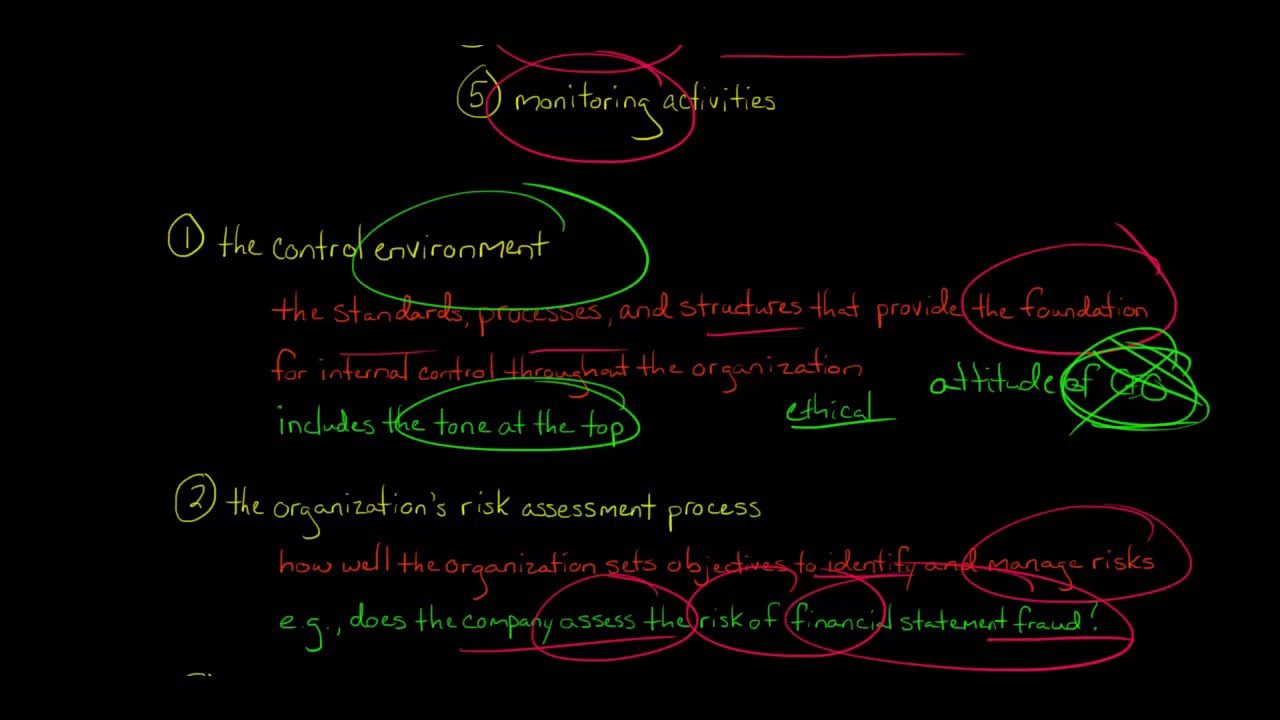
Entity level controls are controls that operate at the entity-wide level and are designed to provide reasonable assurance that the entity's objectives will be achieved. These controls are not specific to any particular process, transaction, or account, but instead focus on the overall control environment. They are intended to provide a framework for the entity's operations and are designed to ensure that the entity operates in a manner consistent with its objectives, and that risks are managed effectively.
Importance of Entity Level Controls:
Entity level controls are important for several reasons. First, they provide a framework for the entity's operations. By establishing a strong control environment, the entity is better able to manage risk and ensure that its objectives are achieved. Second, entity level controls are designed to provide reasonable assurance that the entity's financial statements are reliable. Without a strong control environment, there is a risk that financial statements could contain errors or be misstated. Third, entity level controls can help the entity comply with regulatory requirements. By establishing strong controls, the entity is better able to demonstrate that it is complying with applicable laws and regulations.
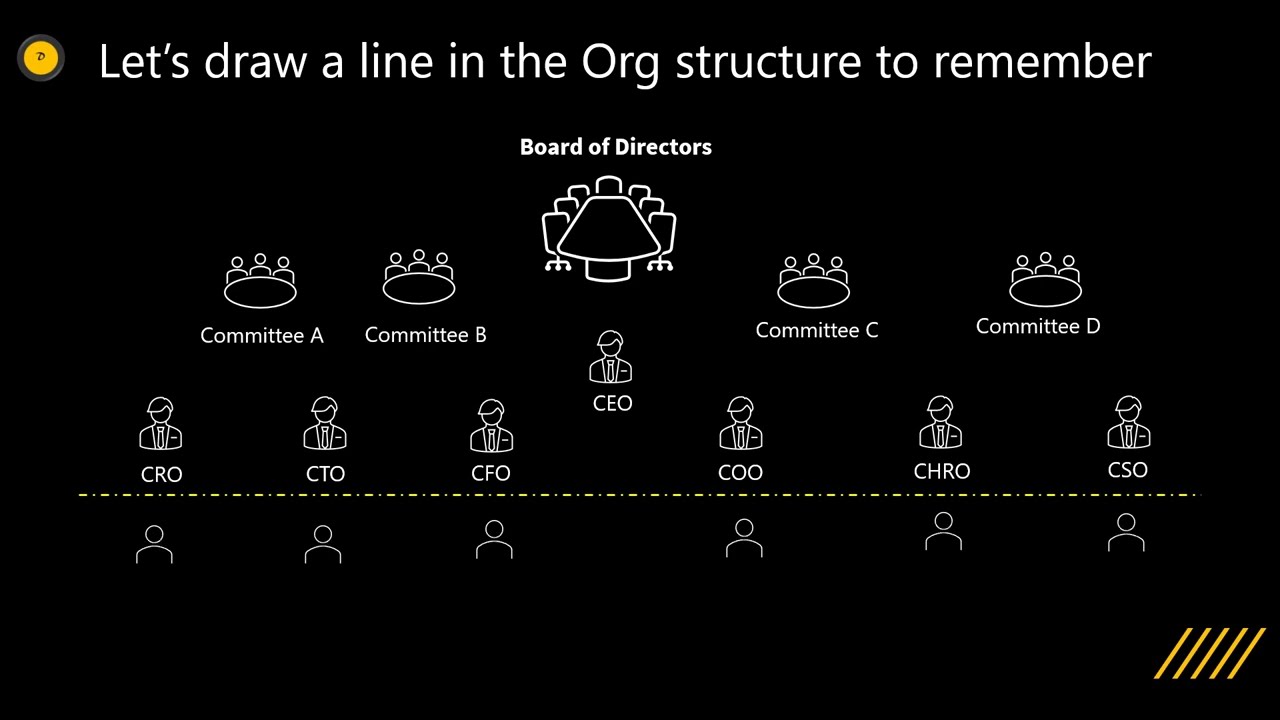
Responsibilities of Directors, Management, Board of Directors, Audit Committee, and Auditors
Directors and management have a responsibility to establish and maintain an effective system of internal control over financial reporting, which includes entity level controls. They are responsible for designing and implementing controls that are appropriate for the entity's size, complexity, and risk profile. They are also responsible for monitoring the effectiveness of these controls and making necessary adjustments to ensure that they remain effective.
The board of directors has a responsibility to oversee the entity's system of internal control over financial reporting, including entity level controls. The board should ensure that management has established an effective control environment and that it is being monitored effectively. The board should also be aware of any significant deficiencies or material weaknesses in the entity's system of internal control over financial reporting and take appropriate action to address them.
The audit committee is responsible for overseeing the entity's financial reporting process, including the effectiveness of entity level controls. The audit committee should review management's assessment of the design and operating effectiveness of these controls and obtain the opinion of the entity's external auditor. The audit committee should also be aware of any significant deficiencies or material weaknesses in the entity's system of internal control over financial reporting and take appropriate action to address them.
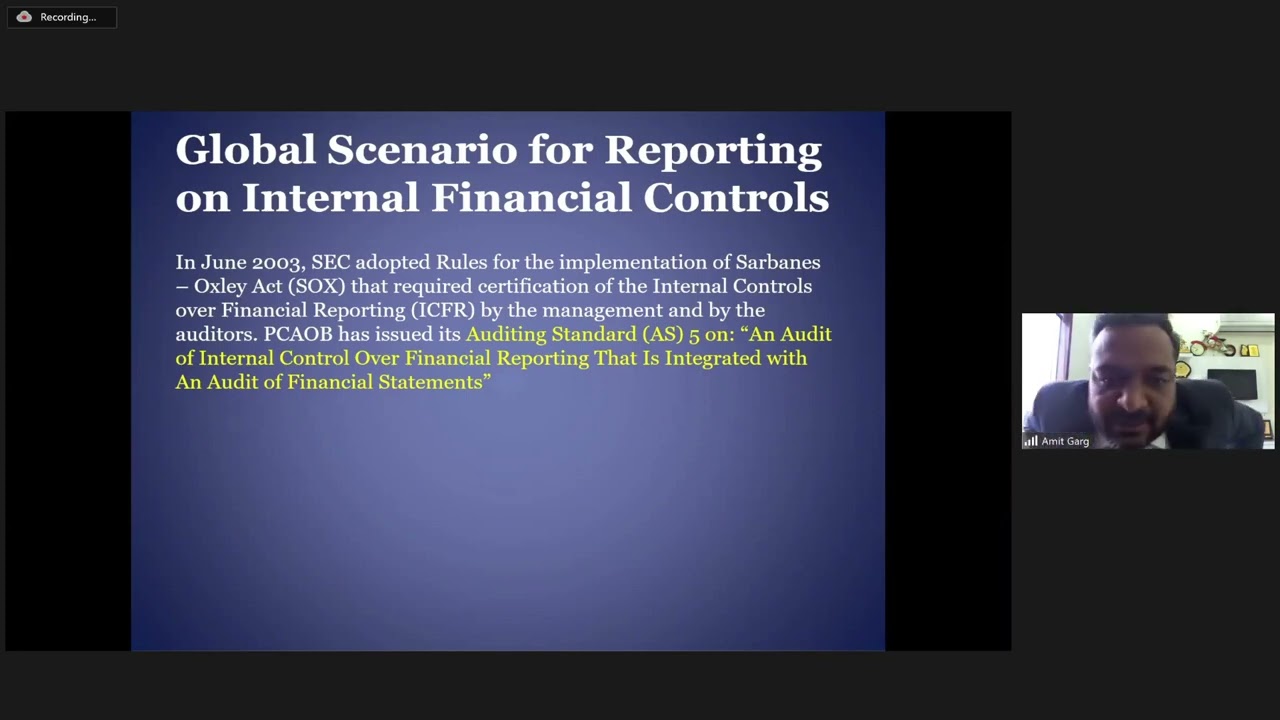
External auditors are responsible for obtaining an understanding of the entity's system of internal control over financial reporting, including entity level controls. They are also responsible for testing the design and operating effectiveness of these controls. The auditor should report any significant deficiencies or material weaknesses in the entity's system of internal control over financial reporting to management, the audit committee, and the board of directors.
Assessing the design and operating effectiveness of entity level controls is crucial in ensuring that the entity operates in a manner consistent with its objectives and that risks are managed effectively
Step 1: Identify the Objectives, Risks, and Controls
Step 2: Evaluate the Design Effectiveness of the Controls
Step 3: Evaluate the Operating Effectiveness of the Controls
Step 4: Test the Controls
Step 5: Report on the Findings
Assessing the design and operating effectiveness of entity level controls is crucial in ensuring that the entity operates in a manner consistent with its objectives and that risks are managed effectively. By identifying the entity's objectives, risks, and controls, evaluating the design and operating effectiveness of the controls, testing the controls, and reporting on the findings, management can ensure that the entity's system of internal control over financial reporting is effective and provides reasonable assurance that the entity's objectives will be achieved.
risk assessment, control design #topdown #riskbased #materiality #assertionlevel and #controlrationalization, entity level controls, control environment #toneatthetop, disclosure #attestation #opinion













Информация по комментариям в разработке