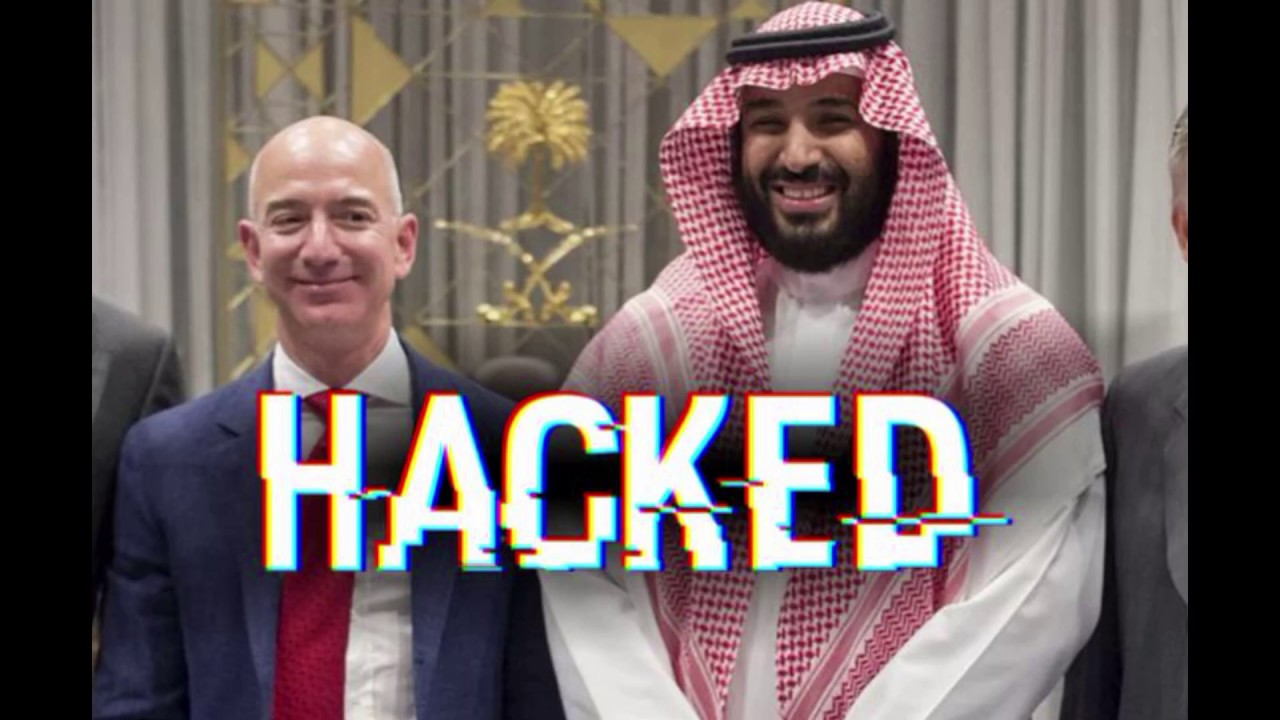
How Jeff Bezos’ iPhone X Was Hacked
It most likely began with a tiny bit of code that implanted malware, which gave attackers access to Mr. Bezos’ photos and texts.
On the afternoon of May 1, 2018, Jeff Bezos received a message on WhatsApp from an account belonging to Saudi Arabia’s crown prince, Mohammed bin Salman.
The two men had previously communicated using the messaging platform, but Mr. Bezos, Amazon’s chief executive, had not expected a message that day — let alone one with a video of Saudi and Swedish flags with Arabic text.
The video, a file of more than 4.4 megabytes, was more than it appeared, according to a forensic analysis that Mr. Bezos commissioned and paid for to discover who had hacked his iPhone X. Hidden in that file was a separate bit of code that most likely implanted malware that gave attackers access to Mr. Bezos’ entire phone, including his photos and private communications.
Mr. Bezos has been on a singular quest to find out who penetrated the device since early 2019, when he said The National Enquirer’s parent company had threatened to release private photographs and texts, and the forensic study was part of that effort. Those pictures and messages showed Mr. Bezos, who was married at the time, with another woman, Lauren Sanchez. The analysis did not connect the hack to The Enquirer.
The forensic report on Mr. Bezos’ phone was at the heart of a United Nations statement on Wednesday raising concerns about Prince Mohammed. The analysis essentially accused the Saudi prince of using malware created by a private cybersecurity company to spy on and to intimidate Mr. Bezos, who also owns The Washington Post. At the time of the hack, Jamal Khashoggi, a dissident Saudi writer, was employed at The Post, which has published coverage critical of the Saudi government. Mr. Khashoggi was killed in the Saudi consulate in Istanbul in late 2018.
Many technical mysteries remain about the infiltration of Mr. Bezos’ phone, including what type of malware was used. The forensic report did not detail whether Mr. Bezos had opened the file that was sent to him via Crown Prince Mohammed’s WhatsApp account. Cybersecurity experts said some malware did not require anyone to click on the file for it to install on a phone.
The details of the hack could not be independently verified by The New York Times. Mr. Bezos has been pushing a theory of Saudi involvement with the threats from The Enquirer, without providing proof, since early 2019. The Enquirer’s parent company has said Ms. Sanchez’s brother, Michael, was the sole source of the texts and intimate photos it acquired.
The Saudi Embassy in Washington has said that accusations that the kingdom was involved in hacking Mr. Bezos’ phone were “absurd.”
The report’s conclusions renew questions about the shadowy world of private hackers for hire. For the right client, or the right sum, such hackers apparently infiltrated the phone of one of the world’s wealthiest and most powerful men. The report did not say which private cybersecurity company was used, but suggested that the Tel Aviv-based NSO Group and Milan-based Hacking Team had the capabilities for such an attack.
The hack also exposed how popular messaging platforms like WhatsApp have vulnerabilities that attackers can exploit. In October, WhatsApp sued the NSO Group in federal court, claiming that NSO’s spy technology was used on its service to target journalists and human rights activists. WhatsApp, which is owned by Facebook, has patched the flaw that the malware used.
“This case really highlights the threats that are posed by a lawless and unaccountable private surveillance industry,” said David Kaye, the United Nations special rapporteur who was a co-author of Wednesday’s statement. “The companies who are creating these tools are extremely crafty and aggressive, and it’s a cat-and-mouse game at this point.”
NSO said it was not involved in any hack of Mr. Bezos’ phone. Hacking Team did not respond to a request for comment. WhatsApp declined to comment, as did FTI Consulting, the company that Mr. Bezos’ security team hired to examine his phone and that wrote the forensic analysis. Amazon declined to comment on behalf of Mr. Bezos.
Malware that was created for the explicit purpose of prying into private online communications, also known as spyware, has become a $1 billion industry. While companies like the NSO Group and Hacking Team have been accused of deploying their spyware with governments to monitor dissidents and others, smaller companies also sell simpler versions of the software for as little as $10, allowing people to snoop on their spouses or children.
Ron Deibert, the director of Citizen Lab at the University of Toronto, which was not involved in the Bezos investigation, said the Amazon chief’s situation was “a reminder that the proliferation of commercial spyware is a global security problem for all sectors, from government and businesses to civil society.”

Информация по комментариям в разработке