Welcome to Mountains Forgotten. We explore the darkest corners of mountaineering history, human survival, and the raw power of nature. From Everest's death zone to the unseen perils of K2 and the Andes, we document the stories of those who pushed the limits—and the mountains that pushed back. If you are fascinated by extreme survival, high-altitude psychology, and the thin line between life and death, you are in the right place.
*🎬 About the Video*
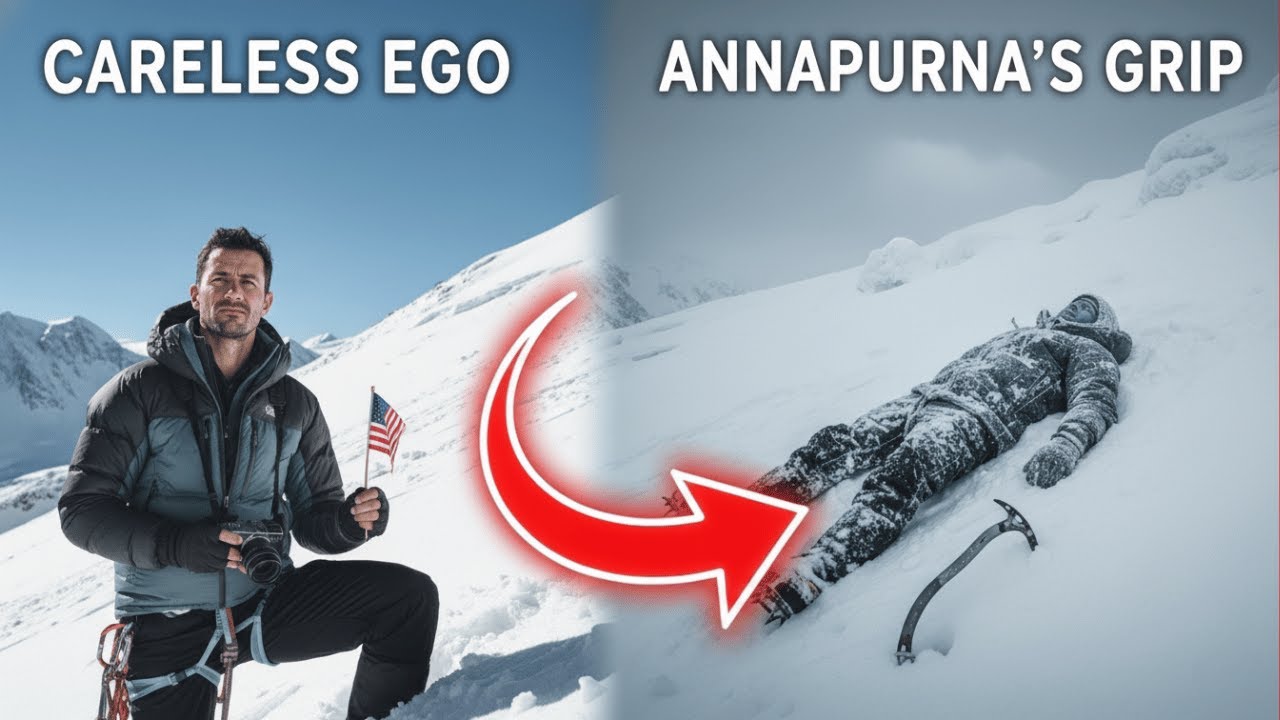
While Everest is the highest, Annapurna I is statistically the deadliest. For decades, this 8,091-meter giant has held a grim fatality rate where nearly one climber dies for every three who reach the summit. Yet, despite these odds, some expeditions have approached the mountain with a shocking lack of caution. This video breaks down the most careless and avoidable tragedies in the history of Annapurna.
We examine specific cases where hubris, poor planning, and a refusal to respect the mountain's volatility led to disaster. Unlike other peaks where technical difficulty is the main barrier, Annapurna is an avalanche trap that punishes the slightest oversight. We analyze climbers who ignored deteriorating weather windows, teams that attempted the climb without proper acclimatization, and leaders who pushed past safe turnaround times in pursuit of glory.
These are not just stories of bad luck; they are cautionary tales of what happens when human ego clashes with the most dangerous slopes on Earth. From the massive ice cliffs of the North Face to the isolated death zone, find out why treating Annapurna carelessly is the last mistake a mountaineer will ever make.
#Annapurna #MountainDisasters #Climbing #Mountaineering #Survival #DeadliestPeak #Alpinism #Documentary #ExtremeSports #DeathZone
Annapurna death rate, deadliest mountain in the world, climbing accidents, mountaineering mistakes, Annapurna I disaster, careless climbers, 8000 meter peaks, avalanche survival, mountain tragedies, high altitude climbing, death zone errors, climbing documentary, alpine disasters, Park Young-seok, Anatoli Boukreev.
Информация по комментариям в разработке